
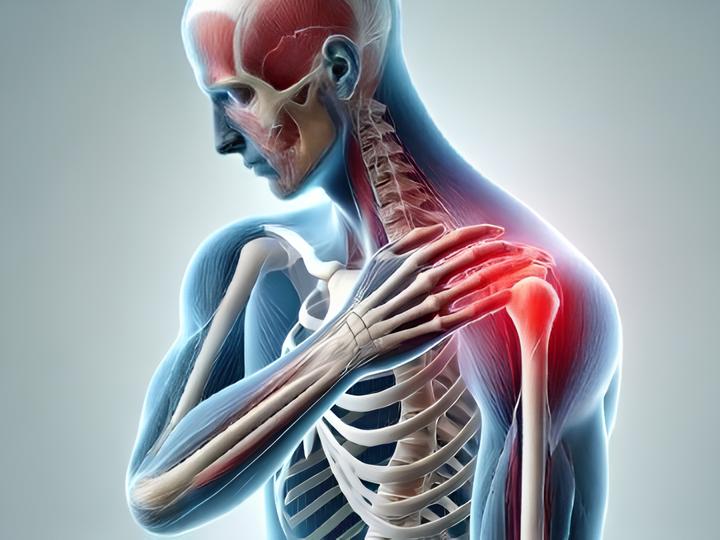
Introduction
Anterior dislocation of the Shoulder Joint is one of the most frequent joint dislocations experienced in clinical practice. Early diagnosis, prompt reduction, and appropriate rehabilitation are essential to restore function and prevent recurrence.
Definition
Anterior dislocation of the shoulder occurs when the head of the humerus is displaced forward out of the glenoid fossa. It typically results in disruption of surrounding soft tissues, including the joint capsule, ligaments, and occasionally the labrum.
Mechanism of Injury
- Indirect trauma, such as a fall on an outstretched hand with the shoulder in abduction and external rotation.
- Forceful overhead activities, common in athletes performing throwing or contact sports.
- Sudden external rotation forces are applied to the arm, leading to anterior displacement of the humeral head.
- High-energy trauma, such as road traffic accidents, produces excessive leverage on the shoulder joint.
Signs and Symptoms
- Visible flattening of the shoulder contour with loss of normal roundness.
- Severe pain, worsening with the slightest movement.
- Limited range of motion, especially in abduction and external rotation.
- The arm is held in slight abduction and external rotation as a protective posture.
- The palpable humeral head is anteriorly beneath the coracoid process.
- Swelling, muscle spasm, and possible numbness or tingling due to axillary nerve involvement.
Physiotherapy Treatment
- During immobilisation, only wrist and finger movement are possible. Full range, strong resistive movements at these joints should be practised at regular intervals. Isometrics of the deltoid, biceps, and triceps can safely to be safely instituted.
- After removal of the strapping, the limb is supported in a sling. The elbow should be mobilised to the full extent by removing the sling. Pendulum exercises for the shoulder in the forward stoop position. These movements are to be carried out within the sling.
- Relaxed passive abduction up to 45 degrees should be the initial aim, done with supine lying. It is important to prevent adhesive capsulitis.
- Initiation of shoulder abduction and external rotation has to be initiated with utmost care and adequate stabilisation at the glenohumeral joint.
- Resistive devices are used later. Heavy resistive exercise, passive stretching, and forced external rotation and abduction are safe after 12 weeks.
Conclusion
Anterior shoulder dislocation is a common yet potentially recurrent injury. A customized rehabilitation plan significantly reduces the risk of repeated dislocations and ensures optimal functional recovery.
What is anterior dislocation of the shoulder joint?
It is a condition where the humeral head moves forward out of the glenoid cavity, often damaging surrounding soft tissues.
What commonly causes anterior shoulder dislocation?
Falls on an outstretched hand, forceful overhead activities, sudden external rotation, or high-energy trauma such as road accidents.
How is it managed physiotherapeutically?
Treatment includes wrist–finger exercises during immobilisation, pendulum exercises, gradual passive abduction, careful initiation of abduction and external rotation, and progressive resistive strengthening after 12 weeks.