
Introduction
Cholecystectomy is one of the most commonly performed abdominal surgical procedures worldwide. It is primarily done to relieve symptoms and prevent complications arising from gallbladder diseases, especially gallstones. Proper postoperative care and physiotherapy play a vital role in promoting early recovery and functional independence.
Definition
Cholecystectomy is a surgical procedure involving the removal of the gallbladder, a small pear-shaped organ located beneath the liver that stores and concentrates bile for digestion.
Etiology
Cholecystectomy is commonly indicated due to:
- Gallstones (cholelithiasis)
- Gallbladder inflammation or infection
- Acute or chronic cholecystitis
- Biliary dyskinesia
- Gallstone-related complications, such as pancreatitis
Incision Site
- Laparoscopic cholecystectomy: Small incisions (usually 3–4) in the abdomen, including the umbilical region
- Open cholecystectomy: A larger incision below the right costal margin (right upper abdomen)
Procedure
- The surgery is performed under general anesthesia
- In laparoscopic surgery, a camera and specialized instruments are inserted through small incisions
- The gallbladder is carefully dissected and removed
- Open surgery is reserved for complicated cases or when laparoscopy is contraindicated
Signs and Symptoms
- Right upper abdominal pain
- Nausea and vomiting
- Pain radiating to the back or right shoulder
- Indigestion and bloating
- Fever in cases of infection
- Fatty food intolerance
Complications
- Postoperative pain and shoulder tip pain
- Infection or bleeding
- Injury to the bile ducts or nearby organs
- Bile leakage
- Respiratory complications due to pain and shallow breathing
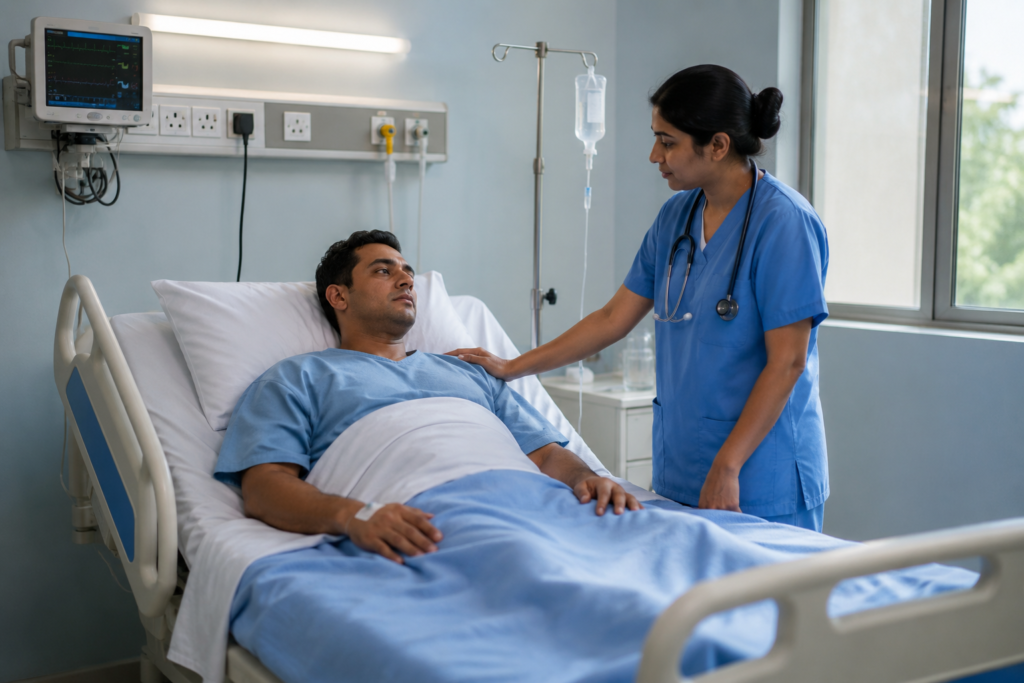
Physiotherapy Management
Physiotherapy helps in early recovery and prevention of complications:
- Breathing exercises: To prevent atelectasis and pneumonia
- Early mobilization: Decreased risk of deep vein thrombosis
- Gentle mobility exercises: To improve trunk and shoulder movement
- Postural correction: Especially after laparoscopic surgery
- Pain management techniques: Splinted coughing and positioning
- Education: Proper posture, activity modification, and home exercise program
Conclusion
Cholecystectomy is a safe and effective surgical intervention for gallbladder disorders. While surgical management addresses the primary pathology, postoperative physiotherapy remarkably enhances recovery by improving respiratory function, decreasing pain, and restoring mobility. A multidisciplinary approach ensures optimal patient outcomes.
What is cholecystectomy?
Cholecystectomy is a surgical procedure to remove the gallbladder, usually performed to treat gallstones and gallbladder inflammation.
What are common indications for cholecystectomy?
Common indications include gallstones, acute or chronic cholecystitis, biliary dyskinesia, and gallstone-related complications like pancreatitis.
How does physiotherapy help after cholecystectomy?
Physiotherapy aids recovery through breathing exercises, early mobilization, pain management, posture correction, and prevention of complications.
Need Personalized Guidance for Physiotherapy?
Our senior certified therapists at Aaziban Care Center provide customized 1-on-1 evaluation and treatment plans at our care centers.