
Introduction
Post-Polio Syndrome (PPS) is a neurological condition that affects individuals who previously recovered from acute poliomyelitis. It usually develops many years—often decades—after the initial infection. Post-Polio Syndrome is characterized by new or worsening muscle weakness, fatigue, and functional decline, which can remarkably affect quality of life. Early recognition and appropriate rehabilitation play a vital role in symptom management.
Definition
Post-Polio Syndrome is a condition marked by the late onset of new neuromuscular symptoms in individuals with a prior history of paralytic polio, after a long period of neurological stability.
Clinical Features
- Gradual onset of muscle weakness in previously affected or unaffected muscles
- Reduced endurance and functional capacity
- Increased physical fatigue with minimal activity
- Decline in mobility and independence
- Sensitivity to cold temperatures
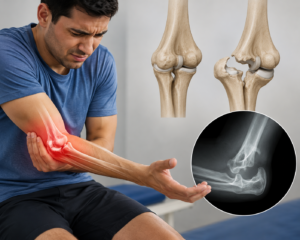
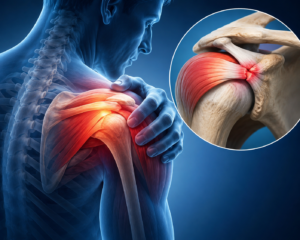
- Musculoskeletal pain due to muscle overuse and joint stress
Signs and Symptoms
- Progressive muscle weakness
- Generalized or localized fatigue
- Muscle atrophy
- Muscle and joint pain
- Difficulty in walking or climbing stairs
- Reduced balance and increased risk of falls
- Sleep disturbances and breathing difficulties in severe cases

Physiotherapy Management
Physiotherapy aims to conserve energy, improve functional ability, and prevent further muscle damage.
- Energy Conservation: Education on pacing activities and avoiding overuse
- Aerobic Conditioning: Gentle aerobic exercises such as cycling or swimming to improve endurance
- Breathing Exercises: For individuals with respiratory muscle involvement
- Strengthening Exercises: Low-intensity, non-fatiguing exercises for unaffected or mildly affected muscles
- Stretching: To prevent muscle tightness and joint stiffness
- Postural Training: Correction of abnormal posture to decrease pain and stress on joints
- Assistive Devices: Braces, orthoses, or walking aids to improve mobility and safety
Exercise programs should be individualized and closely monitored to prevent excessive fatigue.
Complications
- Progressive loss of mobility
- Severe muscle weakness
- Chronic pain
- Joint deformities and osteoarthritis
- Respiratory insufficiency
- Reduced quality of life
Conclusion
Post-Polio Syndrome is a slowly progressive condition that can remarkably impact physical function and daily activities. Although there is no cure, early diagnosis and a well-structured physiotherapy program can help manage symptoms, preserve independence, and improve overall quality of life. Long-term follow-up and lifestyle modifications are essential for optimal outcomes.
What is Post-Polio Syndrome (PPS)?
Post-Polio Syndrome is a neurological condition causing new muscle weakness, fatigue, and functional decline years after recovery from poliomyelitis.
What are the common signs and symptoms of PPS?
Progressive muscle weakness, fatigue, muscle and joint pain, difficulty walking, reduced balance, and increased risk of falls.
How does physiotherapy help in managing Post-Polio Syndrome?
Physiotherapy focuses on energy conservation, gentle strengthening, aerobic conditioning, posture correction, and use of assistive devices to improve mobility and quality of life.
Need Personalized Guidance for Physiotherapy?
Our senior certified therapists at Aaziban Care Center provide customized 1-on-1 evaluation and treatment plans at our care centers.