Introduction
Brachial Plexus Injury (BPI) is a disabling neuromuscular condition affecting the network of nerves that control movement and sensation in the shoulder, arm, and hand. The severity ranges from temporary weakness to complete paralysis of the upper limb. Early diagnosis and rehabilitation are vital for functional recovery.
Definition
A brachial plexus injury refers to damage to the brachial plexus—a complex network of nerves originating from cervical spinal nerves C5 to T1—that transmit motor and sensory signals from the spinal cord to the upper extremity.
Etiology
Brachial plexus injuries may occur due to:
- Traumatic traction or compression injuries (road traffic accidents, falls)
- Penetrating trauma (knife or gunshot wounds)
- Birth-related injuries (obstetric brachial plexus palsy)
- Tumors or radiation therapy involving the neck or shoulder
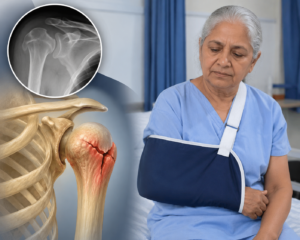
- Shoulder dislocation or fractures of the clavicle and humerus
- Prolonged improper positioning during surgery
Clinical Features
Clinical presentation depends on the level and severity of nerve involvement:
- Weakness or paralysis of shoulder, arm, or hand muscles
- Decreased reflexes in the affected arm
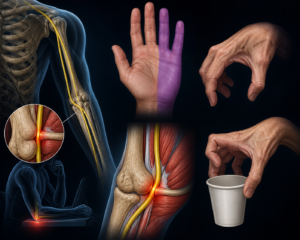
- Sensory loss or altered sensation in the upper limb
- Muscle wasting in chronic cases
Signs and Symptoms
- Inability to lift or bend the arm
- Loss of shoulder stability
- Burning or electric-shock–like pain
- Numbness or tingling in the arm or hand
- Reduced grip strength
- Postural asymmetry of the shoulder girdle
Complication
- Permanent muscle weakness or paralysis
- Joint stiffness and contractures
- Chronic neuropathic pain
- Muscle atrophy
- Functional dependence in daily activitie

Physiotherapy Management
Physiotherapy plays a key role in recovery and long-term functional improvement:
- Pain Management: Positioning, modalities, and gentle mobilization
- Muscle Strengthening: Progressive strengthening of partially innervated muscles
- Range of Motion Exercises: To decrease stiffness and joint contractures
- Neuromuscular Re-education: To enhance motor control and coordination
- Electrical Stimulation: To maintain muscle bulk where appropriate
- Postural Training: Shoulder and scapular stabilization exercises
- Functional Training: Activities of daily living (ADLs) and task-specific exercises
- Patient and Caregiver Education: Home exercise programs and limb protection
Rehabilitation is individualized based on injury severity, recovery stage, and surgical interventions if performed.
Conclusion
Brachial Plexus Injury is a complex condition with significant functional implications. Early medical evaluation, timely surgical intervention when indicated, and comprehensive physiotherapy rehabilitation are essential to maximize recovery, prevent complications, and improve quality of life.
Q1. What is a Brachial Plexus Injury (BPI)?
Ans: BPI is damage to the brachial plexus nerves (C5–T1) causing weakness, sensory loss, or paralysis of the upper limb.
Q2. What are the common causes of brachial plexus injury?
Ans: Road traffic accidents, falls, birth trauma, penetrating injuries, shoulder fractures, tumors, and improper surgical positioning.
Q3. How does physiotherapy help in BPI recovery?
Ans: Physiotherapy improves pain control, muscle strength, joint mobility, posture, and functional independence.
Need Personalized Guidance for Physiotherapy?
Our senior certified therapists at Aaziban Care Center provide customized 1-on-1 evaluation and treatment plans at our care centers.