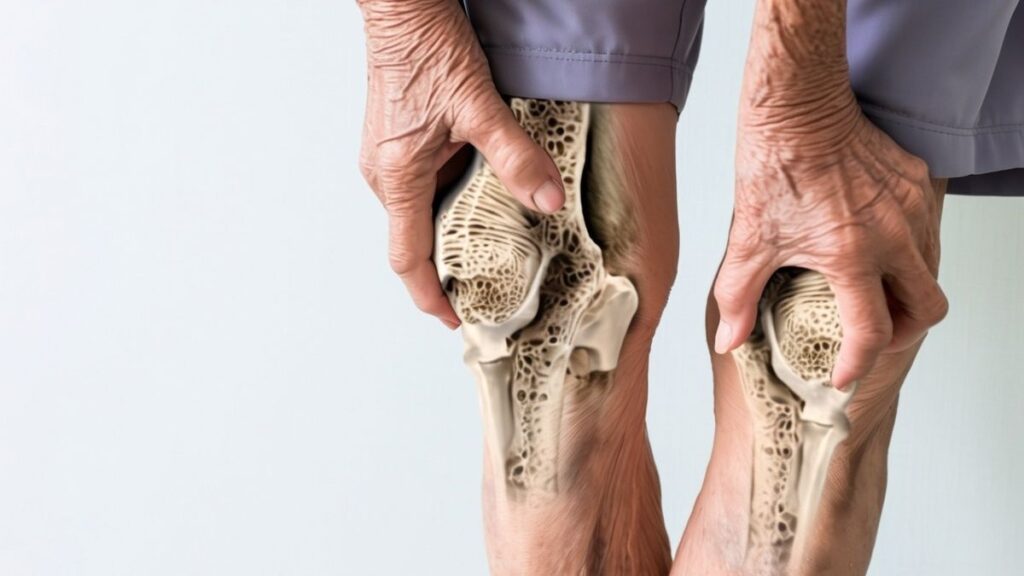
Charcot Knee

CHARCOT KNEE

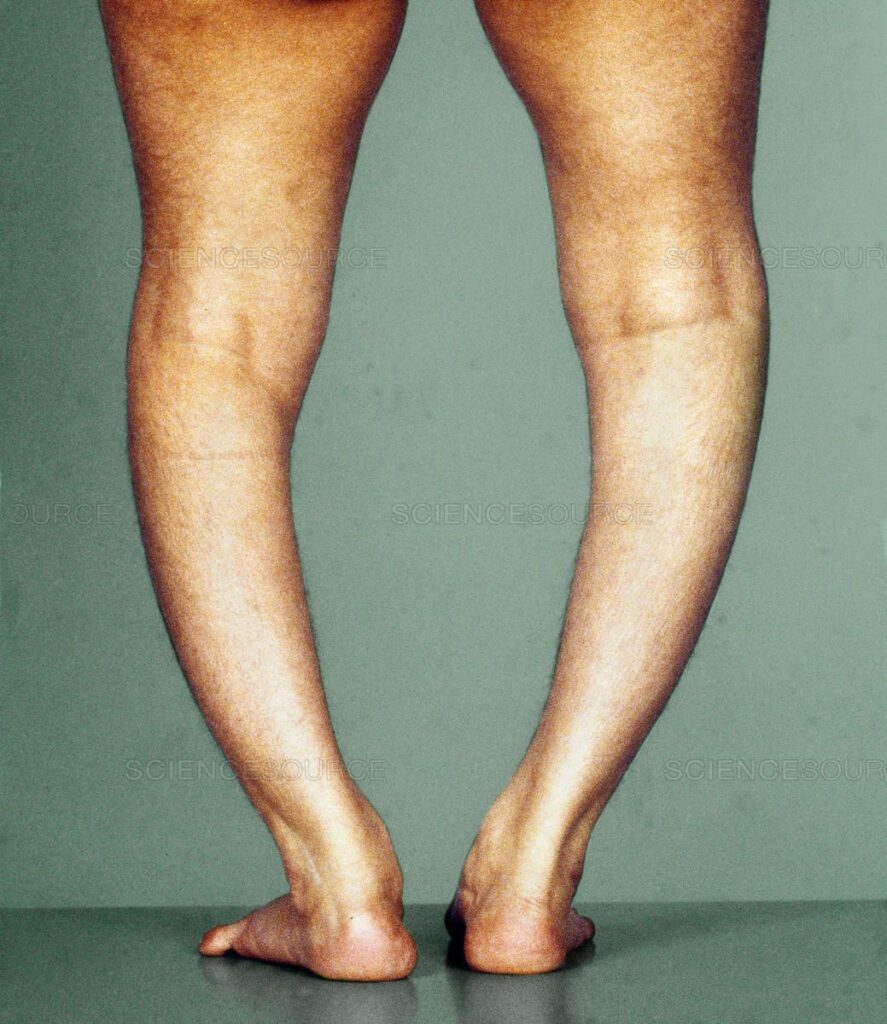
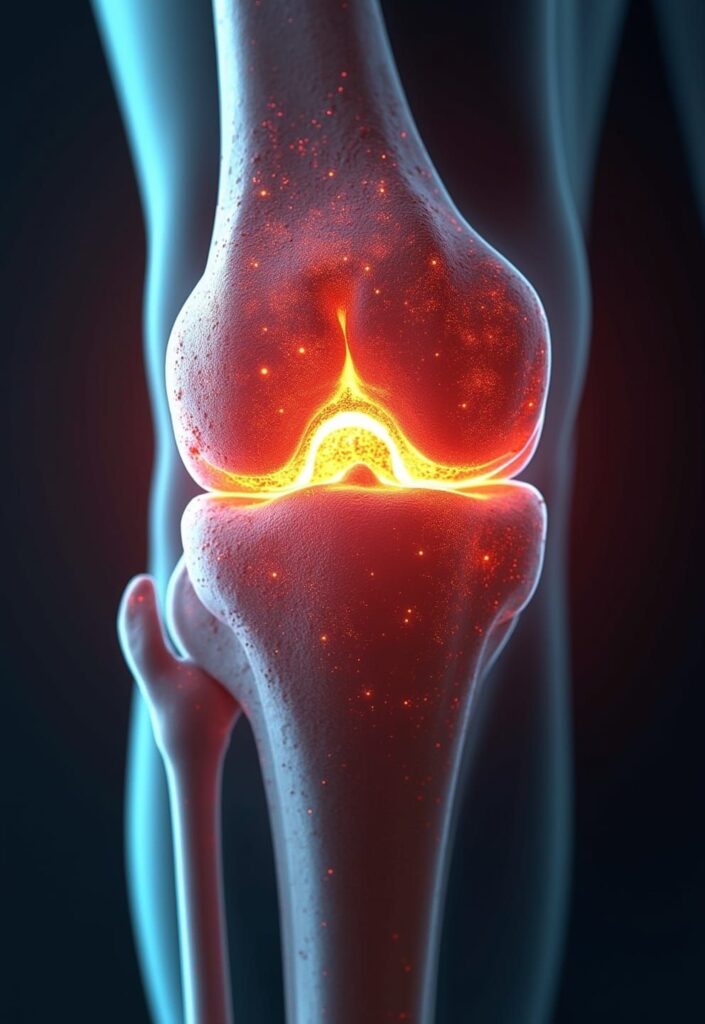
Introduction:  Charcot Knee  is the chronic, progressive, non-infectious destruction of bone and joints, in patients with peripheral neuropathy, as first described by William Musgrave in 1703 . Charcot neuroarthropathy of the knee (CK) is a rare and under-researched area, resulting in considerable morbidity. However, it is a common foot and ankle related pathology, especially in …

Charcot Knee Read More »

Plantar Apophysitis

admin ajax (1) (1)

Introduction: Plantar Apophysitis is a common commmplaint among children, especially those involved in athlets. This disease also known as Sever’s Disease  orcalcaneal apophysitis . This condition is the painful inflammation of the calcaneal apophysis caused by repetitive microtrauma on the unossified apophysis due to traction of the achilis Tendon. Definition:  Plantar Apophysitis refers to the irritation …

Plantar Apophysitis Read More »

Haglund’s deformity

Haglund's deformity

Introduction: Haglund’s Syndrome, often referred to as “pump bump”, is a common condition significant posterior heel pain. It is associated with retrocalcaneal bursitis.It affects individuals across various activity levels, from athletes to those with sedentary lifestyles. Definition: Haglund’s Syndrome is a musculoskeletal condition characterized by a bony enlargement on the posterior heel bones (calcaneus) at the …

Haglund’s deformity Read More »

Pes Planus

admin ajax (6) (1)

Introduction Pes Planus is a foot deformity opposite to pes cavus. Here, the medial longitudinal arch of the foot is dropped downward; thereby, there is a loss of the spring action causing excessive stress over the whole foot during every step. Definition  Pes planus is the loss of the medial longitudinal arch of the foot, causing …

Pes Planus Read More »

Pes Cavus

admin ajax (5) (1)

Introduction  Pes cavus, commonly known as high arches. These deformities of the ankle and foot present in various degrees, from mild to severe. Mild deformities are easily stretchable needing rigid immobilization in a corrected position. Severe ones are rigid. Many a times, these deformities are present in combination. In about 50% of the cases, they …

Pes Cavus Read More »

Avascular Necrosis Hip

Avascular Necrosis Hip

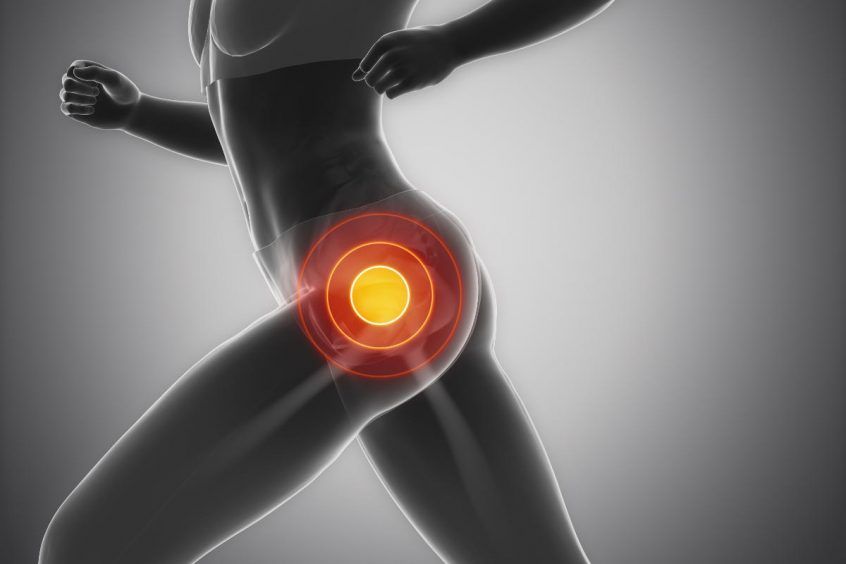
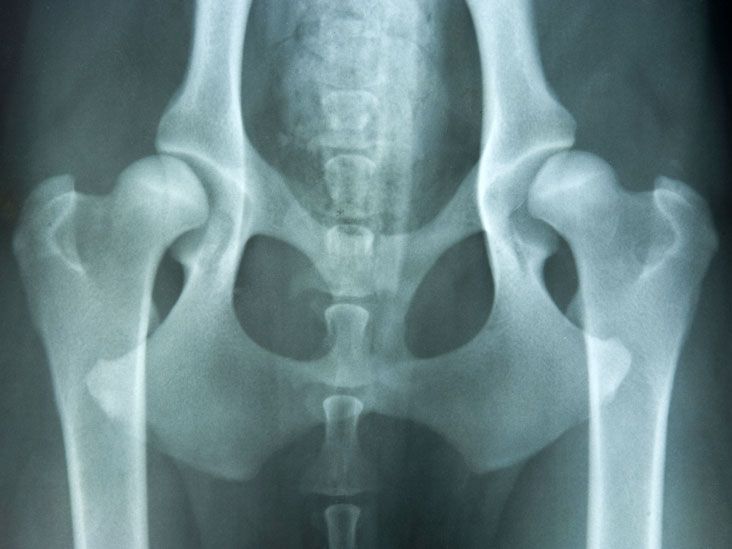
Introduction Avascular Necrosis Hip stands out due to its progressive charecter and potential for severe joint damage if left unaddressed. This article delves into the various facets of AVN of the hip. Definition Avascular Necrosis Hip (AVN), also called osteonecrosis, is caused by disruption of blood supply to the femoral head. Etiology Avascular Necrosis Hip …

Avascular Necrosis Hip Read More »

Perthes Disease

Perthes Disease

 Introduction Perthes disease is also known as Legg–calve–perthes disease, coxa plana,pseudocoxalgia. the disease is self-limiting in nature and the head revascularizes and  hardens again after sometime, it never regains the normal shape if deformed. The whole process takes about 2–4 years.  Definition Perthes disease is a disease of childhood hip disorder that is a specific …

Perthes Disease Read More »

Spring Ligament Injuries

admin ajax (4) (1)

Introduction It extends from the sustentaculum tali of the calcaneus to the plantar surface of the navicular bone. The ligaments are so arranged that they facilitate certain movements while at the same time check excessive and harmful joint movements. Spring ligament complex injuries or calcaneonavicular ligament injuries refer to stretching sprains, tears, or ruptures of …

Spring Ligament Injuries Read More »

Kyphotic Deformity: Clinical Overview and Treatment Approaches

Kyphosis

 Introduction Kyphosis, often perceived as solely a spinal issue, significantly impacts overall posture and movement patterns. The compensatory mechanisms adopted by the body to maintain balance in the presence of kyphosis can place abnormal stresses on various joints, particularly the hips, leading to pain, dysfunction, and even injury.  Etiology The primary cause is the altered …

Kyphotic Deformity: Clinical Overview and Treatment Approaches Read More »

Osteogenesis Imperfecta: Challenges in Treatment and Physiotherapy

admin ajax (3) (1)

Introduction Osteogenesis Imperfecta is a congenital connective tissue disorder. There is defective collagen production, primarily Type I collagen   .This protein is crucial for bone structure, making bones abnormally fragile and prone to fractures with minimal or no trauma. Definition Osteogenesis Imperfecta is a  orthopedic abnormality characterized by Decreased osteoid formation and defective type I-collagen …

Osteogenesis Imperfecta: Challenges in Treatment and Physiotherapy Read More »

Spina Bifida in Children: Early Intervention and Rehabilitation

Spina Bifida

Introduction Spina Bifida is a birth defect that occurs when the spine and spinal cord don’t form properly. It falls under the umbrella of neural tube defects (NTDs), which are conditions affecting the brain, spinal cord or spine. Definition Spina bifida, a neural tube defect, is the result of the defective fusion of one or …

Spina Bifida in Children: Early Intervention and Rehabilitation Read More »

Understanding Cauda Equina Syndrome: A Neurological Emergency

admin ajax (2) (1)

Introduction Cauda Equina Syndrome is seen in injuries below the level of  first lumbar vertebra. It is essentially an injury to the nerve roots below L1. Compression of these nerves can lead to permanent damage if not promptly treated, making CES a true aesculapian emergency.  Etiology  Cauda Equina Syndrome most commonly arises from a massive …

Understanding Cauda Equina Syndrome: A Neurological Emergency Read More »

TUBERCULOSIS OF THE HIP JOINT

admin ajax (1)

Introduction Tuberculosis of the Hip Joint constitutes 15  percent of all osteoarticular tuberculosis. It is always secondary. The initial focus of infection could be either in the: (i) acetabular roof, (ii) epiphysis, (iii) metaphyseal region, (iv) greater trochanter, (v) synovial membrane (rare), and (vi) trochanteric bursae Pathogenesis Etiology TB bacillus is may responsible for TB …

TUBERCULOSIS OF THE HIP JOINT Read More »

Compression Fractures: Diagnosis, Complications, and Rehabilitation

admin ajax (4) (1)

Introduction Compression Fractures is produced as a result of compressive forces on the bone. The bony mass gets compressed within itself. It is ungentlemanly in cancellous bones (e.g., vertebral body). Compression fractures of the spine are a common yet often impairing condition. Clinical Features  Investigation  Physiotherapy Management Physiotherapy plays a crucial role in recovery.  Risk …

Compression Fractures: Diagnosis, Complications, and Rehabilitation Read More »