
Introduction
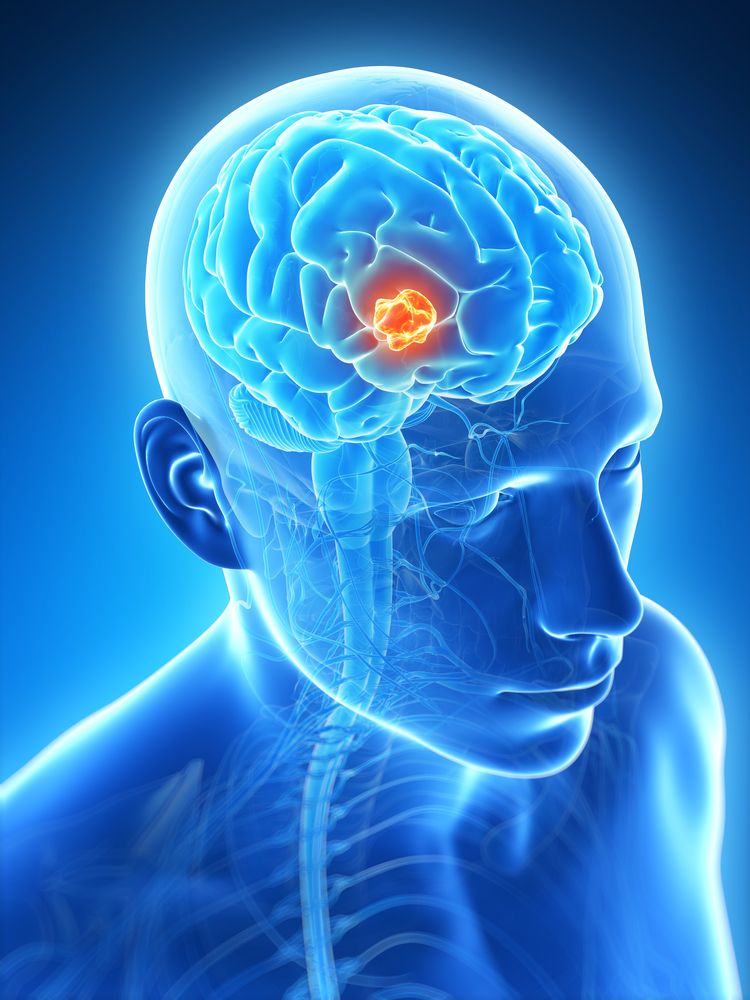
Brain Tumors are abnormal growths of cells within the brain or surrounding structures. They can remarkably affect neurological function, physical abilities, cognition, and quality of life. Early diagnosis, medical management, and rehabilitation—especially physiotherapy—play a crucial role in improving functional outcomes and independence.
Definition
A brain tumor is a mass or growth of abnormal cells in the brain. Tumors may be benign (non-cancerous) or malignant (cancerous) and can originate within the brain (primary) or spread from other body parts (secondary or metastatic).
Etiology
The exact cause of brain tumors is often unknown, but several factors are associated with increased risk:
- Genetic mutations and hereditary conditions
- Exposure to ionizing radiation
- Metastasis from cancers such as lung, breast, or melanoma
- Environmental and occupational factors
- Immune system disorders
Clinical Features
Clinical presentation varies depending on the tumor’s size, location, and growth rate. Tumors affecting motor areas may cause movement problems, while those in cognitive or sensory regions can impair speech, vision, or behavior.
Signs and Symptoms
- Persistent or worsening headaches
- Seizures
- Weakness or paralysis of limbs
- Balance and coordination difficulties
- Visual disturbances or double vision
- Speech and language problems
- Cognitive decline and memory loss
- Nausea and vomiting due to increased intracranial pressure
Physiotherapy Management
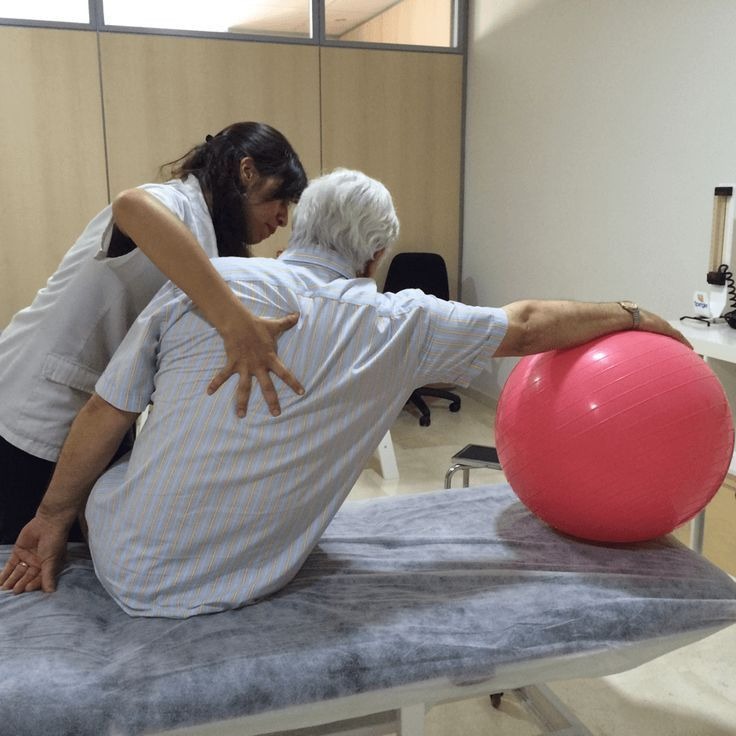
Physiotherapy is essential in restoring mobility, strength, and functional independence, especially after surgery or during long-term care.
Key physiotherapy goals include:
- Improving muscle strength and endurance
- Enhancing balance, coordination, and posture
- Preventing contractures and secondary complications
- Gait training with or without assistive devices
- Respiratory exercises for bedridden patients
- Functional training for daily activities (ADLs)
- Fatigue management and energy conservation techniques
Rehabilitation programs are individualized based on neurological deficits and patient tolerance.
Complications
- Increased intracranial pressure
- Cognitive and behavioral changes
- Persistent neurological deficits
- Seizure disorders
- Decreased mobility and dependence
- Post-surgical complications
- Recurrence or progression of the tumor
Conclusion
Brain Tumors can profoundly affect physical, cognitive, and emotional health. Comprehensive management involving medical treatment, surgery, and structured physiotherapy rehabilitation is vital for optimizing recovery, maintaining independence, and improving quality of life. Early rehabilitation intervention significantly enhances functional outcomes and long-term prognosis.
What is a brain tumor?
A brain tumor is an abnormal growth of cells in the brain that may be benign or malignant and can affect neurological function.
What are common signs and symptoms of brain tumors?
Headaches, seizures, limb weakness, balance problems, visual or speech disturbances, and cognitive decline.
How does physiotherapy help patients with brain tumors?
Physiotherapy improves strength, balance, mobility, functional independence, and helps prevent secondary complications.