
Introduction
Calcaneal Bursitis is a painful inflammatory condition affecting the heel, commonly seen in individuals who engage in prolonged standing, walking, or running. It can remarkably interfere with daily activities and mobility. Early identification and appropriate physiotherapy intervention help relieve pain and prevent chronic heel problems.
Definition
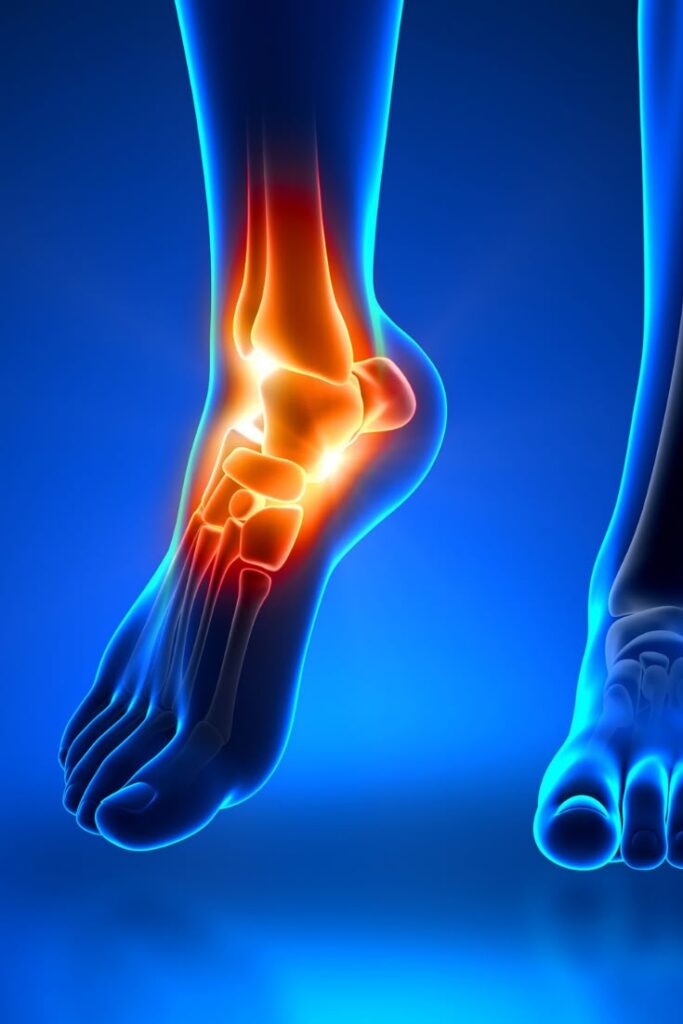
Calcaneal bursitis is the inflammation of the bursae located around the calcaneus (heel bone), most commonly the retrocalcaneal bursa situated between the Achilles tendon and the calcaneus. These bursae normally decrease friction during movement.
Etiology
- Repetitive stress or overuse of the heel
- Prolonged walking, running, or jumping activities
- Wearing tight or ill-fitting footwear, especially rigid heel counters
- Abnormal foot biomechanics, such as over-pronation
- Sudden increase in physical activity
- Associated conditions like Achilles tendinopathy or Haglund’s deformity
Clinical Feature
Patients often present with localized heel pain, especially at the back of the heel. Pain typically increases during activity and may subside with rest. Morning stiffness and discomfort while wearing shoes are commonly reported.
Signs and Symptoms
- Pain and tenderness at the posterior heel
- Redness over the affected area
- Difficulty standing on tiptoes
- Swelling and warmth around the heel region
- Pain aggravated by running, walking, or shoe pressure
- Reduced ankle range of motion due to pain

Physiotherapy Management
- Pain relief modalities: Ice therapy, ultrasound, or TENS to reduce inflammation
- Stretching exercises: Achilles tendon and calf muscle stretching
- Activity modification: Avoid aggravating activities and prolonged standing
- Strengthening exercises: Gradual strengthening of ankle and foot muscles
- Footwear advice: Soft-back shoes, heel pads, or orthotic support
- Postural and gait correction: Address biomechanical abnormalities
- Manual therapy: Deep tissue mobilization to reduce stiffness
Risk Factors
- Repetitive heel stress from prolonged walking, running, or jumping
- Sudden increase in physical activity or training intensity
- Wearing tight, rigid, or ill-fitting footwear, especially with hard heel counters
- Abnormal foot biomechanics, such as over-pronation or flat feet
- Obesity or increased body weight increases heel load
- Prolonged standing on hard surfaces
Conclusion
Calcaneal Bursitis is a controllable heel condition when addressed early. A structured physiotherapy program focusing on pain reduction, flexibility, strength, and biomechanical correction plays a key role in recovery and prevention of recurrence.
Q1. What is calcaneal bursitis?
Calcaneal bursitis is the inflammation of bursae around the heel bone, most commonly the retrocalcaneal bursa between the Achilles tendon and the calcaneus, causing heel pain and discomfort.
Q2. What are the common causes and symptoms of calcaneal bursitis?
It is commonly caused by overuse, prolonged standing or running, tight footwear, and abnormal foot biomechanics. Symptoms include posterior heel pain, swelling, redness, and pain during walking or shoe wear.
Q3. How does physiotherapy help in managing calcaneal bursitis?
Physiotherapy reduces pain and inflammation through modalities, improves flexibility with stretching, strengthens foot and ankle muscles, corrects gait, and provides footwear and orthotic advice to prevent recurrence.