
Introduction
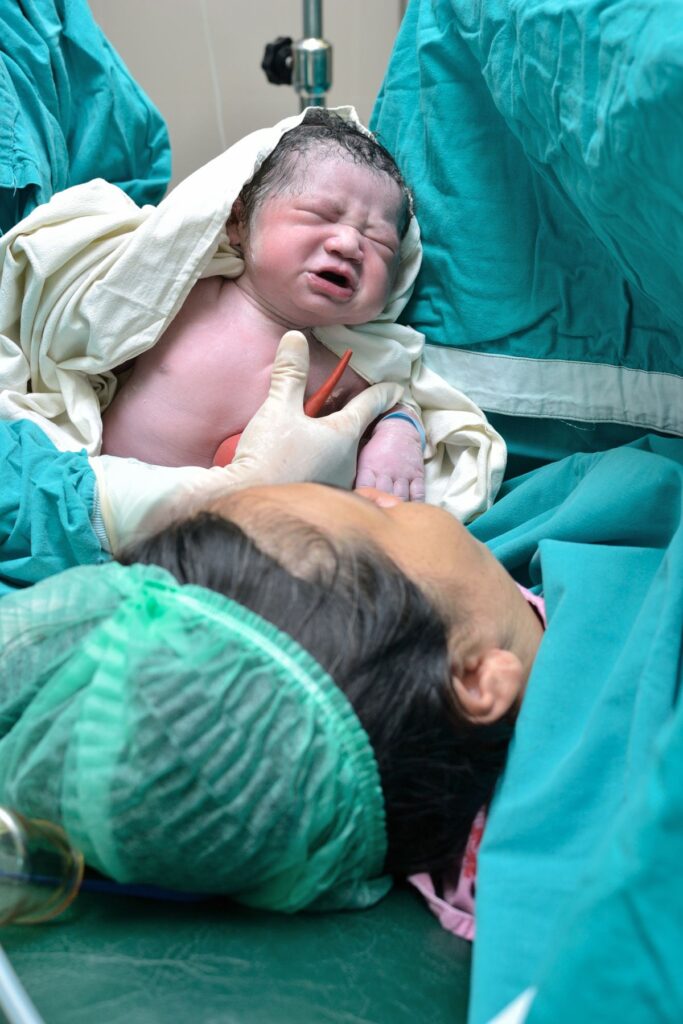
Cesarean surgery is a commonly performed obstetric procedure worldwide. It is undertaken when vaginal delivery poses a risk to the mother or baby. Advances in surgical techniques and postoperative care have remarkably improved maternal and neonatal outcomes. Early rehabilitation and physiotherapy play a crucial role in enhancing recovery and functional independence after surgery.
Definition
Cesarean section (C-section) is a surgical procedure in which a baby is delivered through incisions made in the mother’s abdominal wall and uterus.
Procedure
- Performed under spinal, epidural, or general anesthesia
- A transverse (Pfannenstiel) or vertical abdominal incision is made
- The uterus is carefully opened
- The baby and placenta are delivered
- The uterus and abdominal layers are sutured in stages
- Postoperative monitoring ensures maternal and neonatal stability
The procedure typically lasts 30–60 minutes and requires hospital observation for a few days.
Indication
Cesarean surgery is indicated in the following conditions:
- Fetal distress
- Cephalopelvic disproportion
- Placental abruption
- Previous cesarean delivery
- Multiple pregnancy
- Maternal hypertension or diabetes
- Breech or abnormal fetal presentation
- Failure of labor to progress
Contraindication
There are no absolute contraindications when cesarean delivery is life-saving. However, relative contraindications may include:
- Severe maternal coagulopathy
- Uncontrolled systemic infection
- Lack of surgical facilities in emergency settings
Clinical judgment determines risk–benefit assessment.
Physiotherapy Management
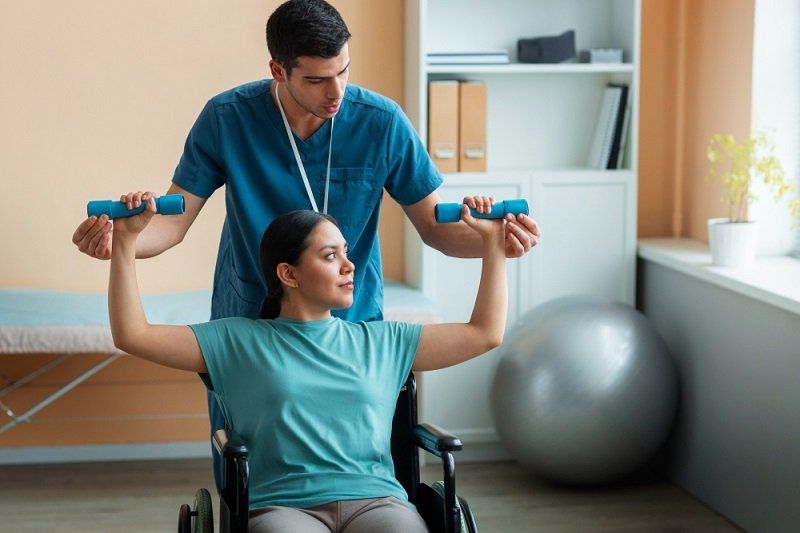
Physiotherapy is essential for early recovery and prevention of complications:
- Breathing exercises: Prevent atelectasis and improve lung expansion
- Early mobilization: Decreased risk of deep vein thrombosis (DVT)
- Pelvic floor exercises: Restore pelvic muscle strength
- Abdominal strengthening: Gentle core activation after wound healing
- Postural education: Prevent back pain during breastfeeding
- Scar management: Improve tissue mobility and decrease adhesions
- Pain management: Positioning and relaxation techniques
- Functional training: Gradual return to daily activities
Early physiotherapy enhances circulation, decreases pain, improves posture, and promotes confidence in new mothers.
Conclusion
Cesarean surgery is a safe and effective method of childbirth when medically indicated. While surgical intervention ensures maternal and fetal safety, structured postoperative physiotherapy remarkably enhances recovery, minimizes complications, and supports long-term musculoskeletal health. A multidisciplinary approach ensures optimal maternal outcomes.
What is a Cesarean section (C-section)?
A Cesarean section is a surgical procedure in which a baby is delivered through incisions in the mother’s abdomen and uterus.
What are common indications for Cesarean surgery?
Common indications include fetal distress, cephalopelvic disproportion, previous C-section, breech presentation, multiple pregnancy, and failure of labor to progress.
How does physiotherapy help after Cesarean surgery?
Physiotherapy aids recovery through breathing exercises, early mobilization, pelvic floor training, scar management, and gradual return to daily activities.