
Introduction
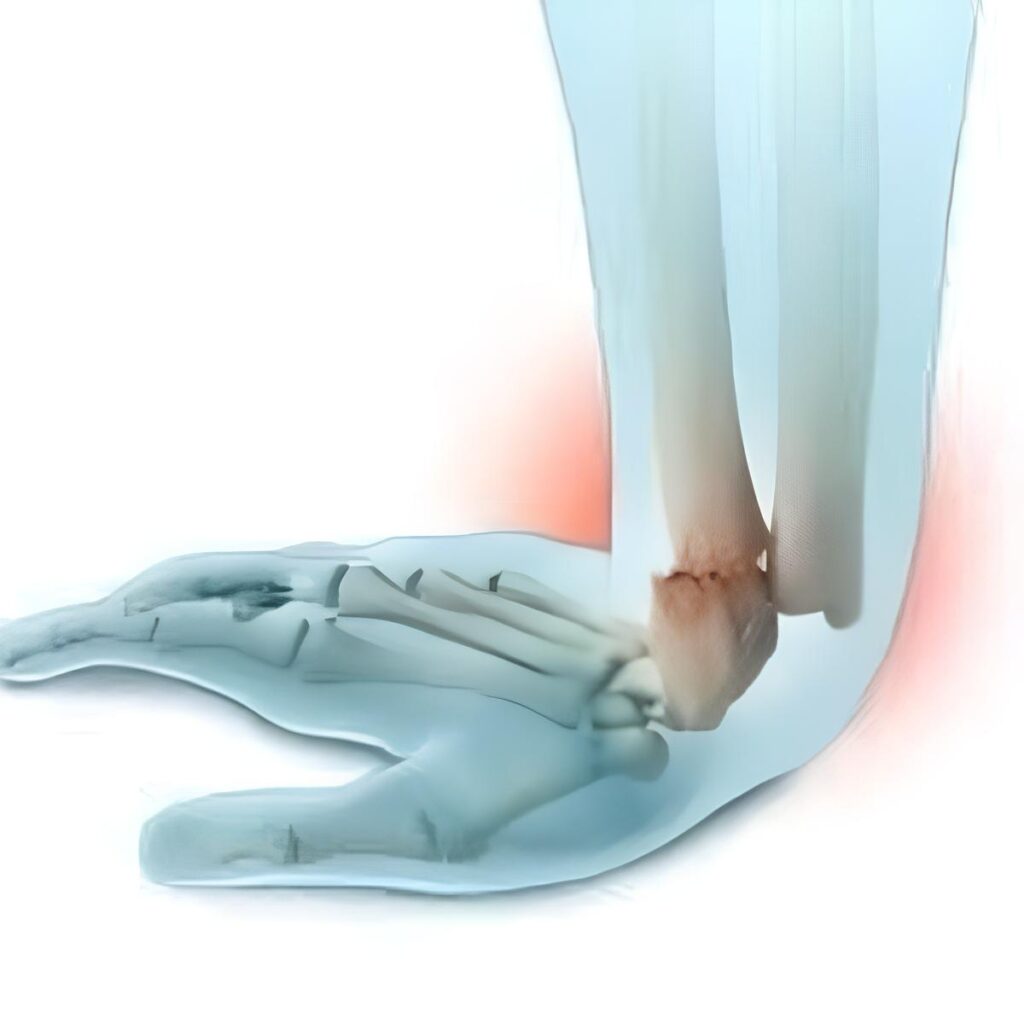
Colles’ Fracture is one of the most common fractures of the wrist, especially seen in elderly individuals and post-menopausal women. It involves a break in the distal end of the radius and can significantly affect hand function if not treated and rehabilitated properly. Early physiotherapy plays a vital role in restoring mobility and strength.
Mechanism of Injury
- Fall on an outstretched hand with the wrist in extension
- Low-energy trauma in elderly patients with osteoporosis
- Slipping on wet surfaces or uneven ground
- Sports injuries or road traffic accidents in younger individuals
Clinical Features
- Characteristic “dinner-fork” or “silver-fork” deformity
- Pain and tenderness over the wrist
- Swelling around the distal forearm
- Restricted wrist and forearm movements
- Reduced grip strength
- Possible numbness due to median nerve involvement in severe cases
Physiotherapy Management
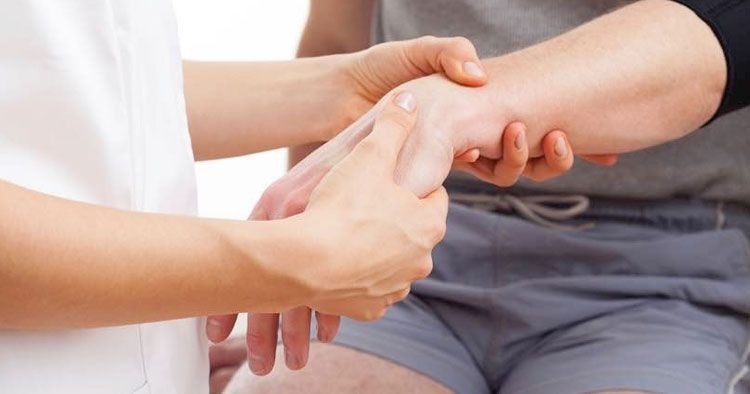
- Giving due importance to the high incidence of the injury and also the complications, the management programme needs extra attention and proper guidance. The actual correct physiotherapeutic assessment is required to prescribe the treatment protocol.
- Elevation of the hand above the elbow, and the elbow above the shoulder.
- The use of electrical stimulation on the sensory excitation level, the electrical field created in the tissues, may trigger the lymphatic system to absorb excessive fluid. Pulsed galvanic stimulation is the automatic choice to reduce oedema.
- Checking the plaster cast to see that it is not hampering the full range of MCP joints and the thumb. AROM of fingers with strong, forceful action effectively drains the excessive lymphatic fluid.
- Full excursion of all the movements at the elbow as well as the shoulder.
- Intermittent use of sling with elbow in at least 70 ° of flexion, as maintained elevated position of the hand.
- Moist hot pack, infrared, warm soaks, cryotherapy with ice massage, and TENS could also be used.
- If the earlier programme is carried out effectively, the only job now remaining is to concentrate on the wrist and forearm movements.
- A soothing heat from paraffin wax or a hydrocollator pack induces relaxation, improves local circulation, and puts the wrist and forearm in an ideal situation for exercises.
- Wrist gliding and manual mobilisation of the wrist.
- Forearm supination and pronation exercises.
- If any stiffness of the fingers and shoulder, start shoulder gliding movements along with mobilization. Wrist and finger mobilisation also starts with ultrasound to the shoulder, and a faradic hand bath may continue to prevent the furthermore complications. If any lack of sensation, desensitization techniques are applied. For this complication prolonged physiotherapeutic approach may be required for recovery.
Complications
- Wrist stiffness and reduced range of motion
- Malunion leading to deformity
- Reduced grip strength
- Chronic wrist pain
- Carpal tunnel syndrome
- Osteoarthritis of the wrist joint
Conclusion
Colles’ Fracture is a common wrist injury that can significantly impair hand function if not managed effectively. Timely medical care combined with structured physiotherapy is essential to regain wrist mobility, strength, and functional independence. Proper rehabilitation ensures optimal recovery and minimizes long-term complications.
Q1. What is Colles’ fracture and who is commonly affected?
Answer: Colles’ fracture is a break in the distal radius of the wrist, commonly seen in elderly and post-menopausal women due to falls on an outstretched hand.
Q2. What are the key clinical features of Colles’ fracture?
Answer: Wrist pain, swelling, restricted movement, reduced grip strength, and the characteristic “dinner-fork” deformity.
Q3. Why is physiotherapy important in Colles’ fracture recovery?
Answer: Physiotherapy helps reduce swelling, restore wrist mobility, improve strength, and prevent stiffness and long-term complications.