
Introduction
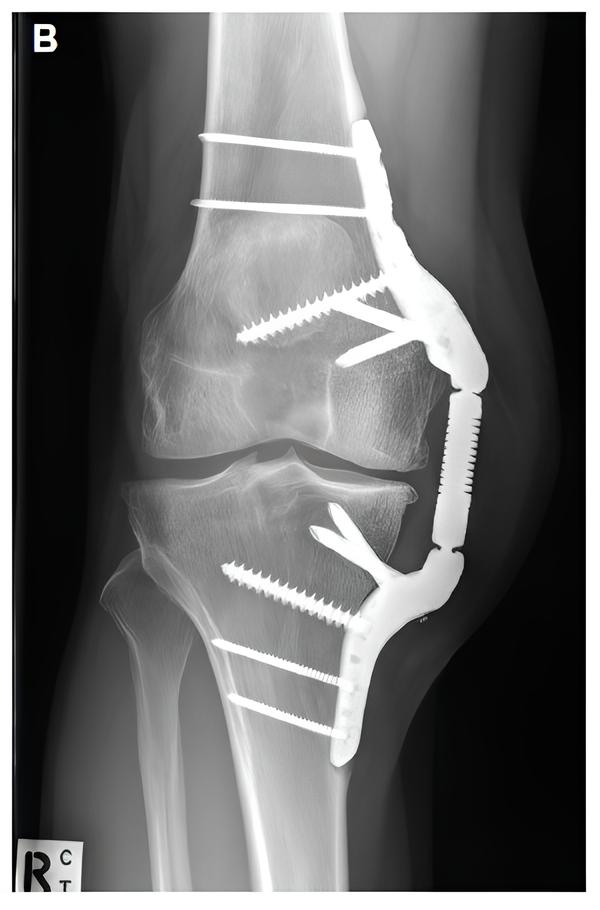
A Fracture of the Patella refers to a break in the kneecap, a small but crucial bone that protects the knee joint and improves the efficiency of the quadriceps muscle. Patellar fractures can remarkably impair knee extension and walking ability. Early diagnosis and structured physiotherapy are essential for optimal functional recovery.
Mechanism of Injury
- Direct blow to the front of the knee
- Fall directly onto a flexed knee
- Sports-related trauma
- Sudden forceful contraction of the quadriceps muscle
- Road traffic accidents
Signs and Symptoms
- Severe pain over the front of the knee
- Swelling around the knee joint
- Difficulty or inability to straighten the knee
- Visible deformity or gap in displaced fractures
- Pain during walking or weight bearing
- Tenderness over the patella
Physiotherapy Management
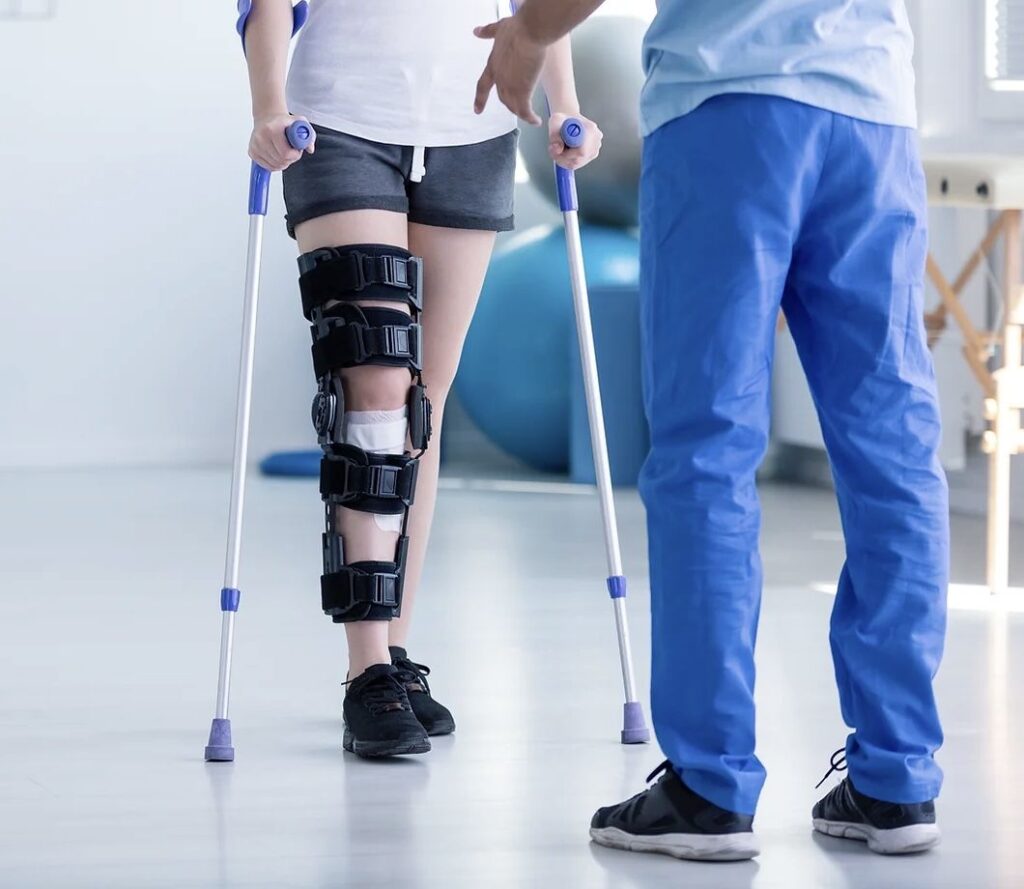
- The basic principles of physiotherapy are to reduce effusion, pain, and inflammation; to provide effective quadriceps mechanism and to regain maximum possible ROM of flexion–extension. All efforts are concentrated on getting the quadriceps mechanism re-established at the earliest.
- An undisplaced fracture treated in a plaster cast for 3 to 4 weeks. Static quadriceps and assisted SLR initiate at the earliest weight bearing, and crutch walking is started the next day, and the patient resumes work in 3-4 days. The pop removed after 4-6 weeks of knee flexion, preceded by cryotherapy or thermotherapy. cryokinetics in the latter.
- Postoperatively, during the immobilisation period, galvanism /diapulse may reduce the swelling and reflex inhibition of the quadriceps. Static isometrics of quadriceps and glutei, ankle foot exercises start from the beginning. Graduated SLR by 3-4 days. Non-weight-bearing crutch walking is to be initiated as soon as it is painless.
- Mobilisation (10 days onwards), the stitches are out by 10-14 days. Mobilisation may be initiated by the carpometaphalangeal joint first. If only swelling, IFT can be used for the knee joint. The whole regime of management is to be made progressive with Prone kneeling. The patient must regain adequate knee ROM and muscle power by 6-8 weeks. However, mild extensor lag may continue for about 6 months.
Complications
- Knee stiffness and reduced range of motion
- Chronic anterior knee pain
- Quadriceps weakness
- Patellofemoral arthritis
- Malunion or non-union of the fracture
Conclusion
Fracture of the Patella can significantly affect knee function and mobility. Timely medical intervention combined with well-planned physiotherapy rehabilitation is crucial to restore strength, range of motion, and functional independence while minimizing long-term complications.
Q1. What is a fracture of the patella?
Answer: It is a break in the kneecap that can impair knee extension, walking ability, and quadriceps function.
Q2. What are the common signs and symptoms of a patellar fracture?
Answer: Severe anterior knee pain, swelling, difficulty straightening the knee, tenderness, and pain during walking or weight bearing.
Q3. Why is physiotherapy important after a patellar fracture?
Answer: Physiotherapy helps reduce pain and swelling, restore knee movement, strengthen the quadriceps, and prevent stiffness and long-term complications.