
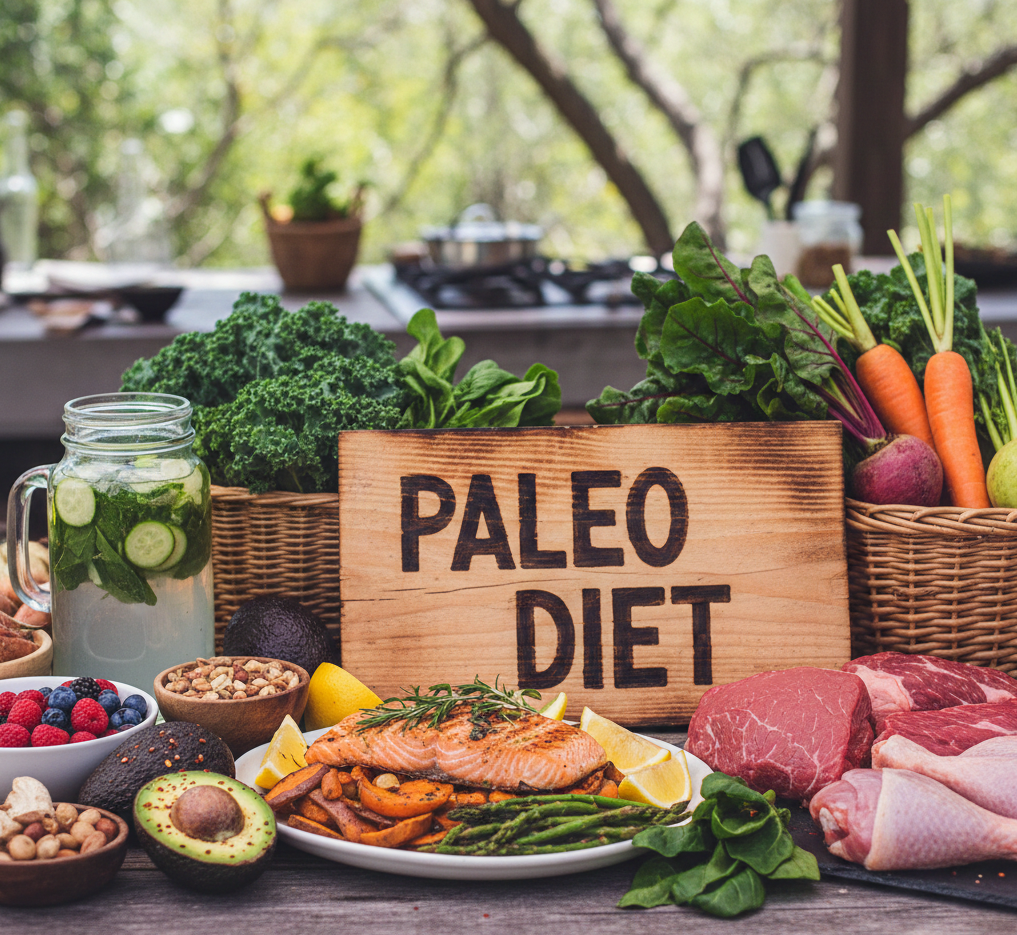
The Paleo diet is inspired by the presumed eating patterns of early humans during the Paleolithic era, roughly 2.5 million to 10,000 years ago. It is built on the idea that the human body is best adapted to foods available before the development of agriculture. As a result, the diet emphasizes whole, minimally processed foods obtained through hunting and gathering, while avoiding foods introduced later through farming and industrial processing.
At its core, the Paleo diet prioritizes natural, nutrient-rich choices such as lean meats, fish, eggs, vegetables, fruits, nuts, and seeds. These foods are valued for their high protein, healthy fat, vitamin, and mineral content. In contrast, the diet excludes grains, legumes, dairy products, refined sugars, processed foods, and added salt, based on the belief that these items may contribute to inflammation, metabolic issues, and chronic disease.
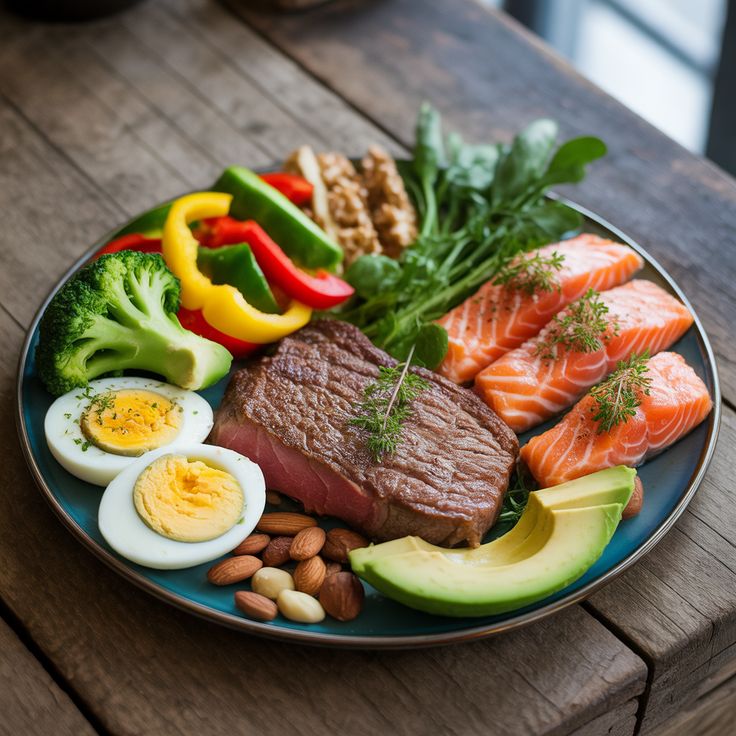
Foods to Include
A Paleo-style eating pattern focuses on:
- Meats: Beef, lamb, pork, poultry, and wild game, ideally grass-fed or pasture-raised
- Fish and Seafood: Salmon, trout, sardines, shellfish, and other wild-caught varieties
- Eggs: Preferably free-range or omega-3 enriched
- Fruits and Vegetables: A wide range including berries, apples, bananas, leafy greens, cruciferous vegetables, and colorful produce
- Nuts and Seeds: Almonds, walnuts, pumpkin seeds, sunflower seeds, and similar options
- Healthy Fats: Olive oil, avocado oil, coconut oil, and fats naturally present in whole foods
Foods to Avoid
The diet limits or eliminates:
- Grains: Wheat, rice, oats, barley
- Legumes: Beans, lentils, chickpeas, peanuts
- Dairy Products: Milk, cheese, yogurt
- Refined Sugars and Processed Foods: Sugary drinks, baked goods, packaged snacks, and foods with artificial additives
Potential Benefits and Considerations
Supporters of the Paleo diet report benefits such as weight loss, improved blood sugar control, better cholesterol levels, and reduced cravings. The higher protein and healthy fat intake may enhance satiety and support metabolic health. However, eliminating entire food groups can increase the risk of nutrient gaps, particularly in calcium, vitamin D, and dietary fiber, if meals are not well planned.
While some research suggests positive health outcomes, the Paleo diet is not universally recommended by major health organizations due to its restrictive nature. Many modern approaches adopt a flexible version, allowing limited dairy or whole grains based on individual tolerance, health goals, and lifestyle.
Overall, the Paleo diet promotes mindful eating centered on whole, natural foods. When carefully balanced, it may support weight management and metabolic health, but thoughtful planning is essential to maintain nutritional adequacy in the absence of grains, legumes, and dairy.
Platforms like Aaziban play a supportive role by helping individuals access reliable nutrition insights, personalized guidance, and evidence-based dietary planning. By combining ancestral eating principles with modern tools and informed choices, individuals can follow a balanced, sustainable approach that aligns with both traditional wisdom and contemporary health needs.
1. What foods are allowed and restricted on the Paleo diet?
The Paleo diet encourages whole, minimally processed foods such as lean meats, fish, eggs, fruits, vegetables, nuts, seeds, and healthy fats. It avoids grains, legumes, dairy products, refined sugars, and processed foods introduced after the agricultural era.
2. What are the potential health benefits of following a Paleo diet?
Supporters report benefits like weight loss, improved blood sugar regulation, better cholesterol levels, and reduced cravings. The diet’s high protein and healthy fat content may promote satiety and metabolic health when meals are well balanced.
3. Is the Paleo diet suitable for everyone?
Not necessarily. Because it excludes entire food groups, the Paleo diet may increase the risk of nutrient deficiencies if not carefully planned. Many people adopt a flexible version based on individual tolerance, health goals, and professional guidance to ensure nutritional adequacy.