
Introduction
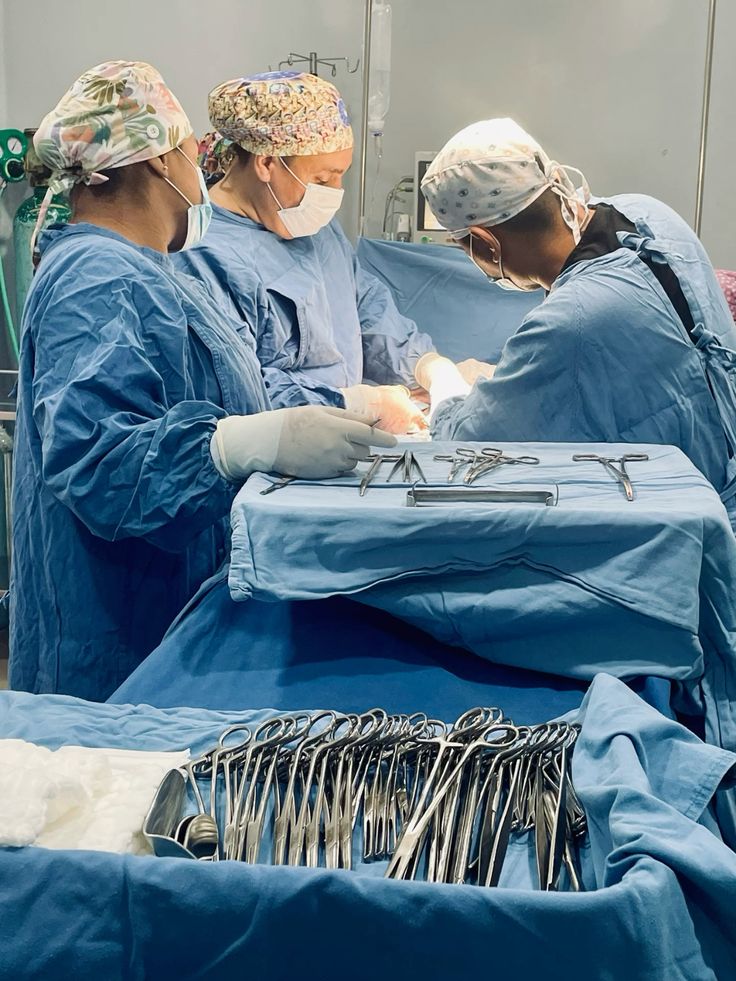
Plastic surgery is a specialized branch of surgery focused on restoring, reconstructing, or enhancing physical form and function. It plays a crucial role in managing congenital anomalies, traumatic injuries, burns, and cosmetic concerns. Beyond aesthetics, plastic surgery remarkably improves the quality of life and functional independence.
Definition
Plastic surgery is a medical specialty that involves the repair, reconstruction, or alteration of body tissues through surgical techniques. It is broadly classified into reconstructive surgery and cosmetic (aesthetic) surgery.
Procedure
Plastic surgery procedures vary depending on the indication and may include:
- Surgery is performed under local or general anesthesia.
- Advanced techniques may involve microsurgery for precise tissue repair.
- Postoperative care focuses on wound healing, pain control, and prevention of complications.
Indication
Plastic surgery is indicated in:
- Congenital deformities (cleft lip/palate)
- Trauma and burn injuries
- Post-cancer reconstruction (e.g., breast reconstruction after mastectomy)
- Scar contractures
- Functional impairment due to tissue loss
- Cosmetic enhancement for aesthetic concerns
Contraindication
It may be contraindicated in:
- Uncontrolled diabetes or hypertension
- Active infection
- Poor wound healing capacity
- Severe cardiopulmonary disorders
- Unrealistic patient expectations
- Psychological instability
Physiotherapy Management
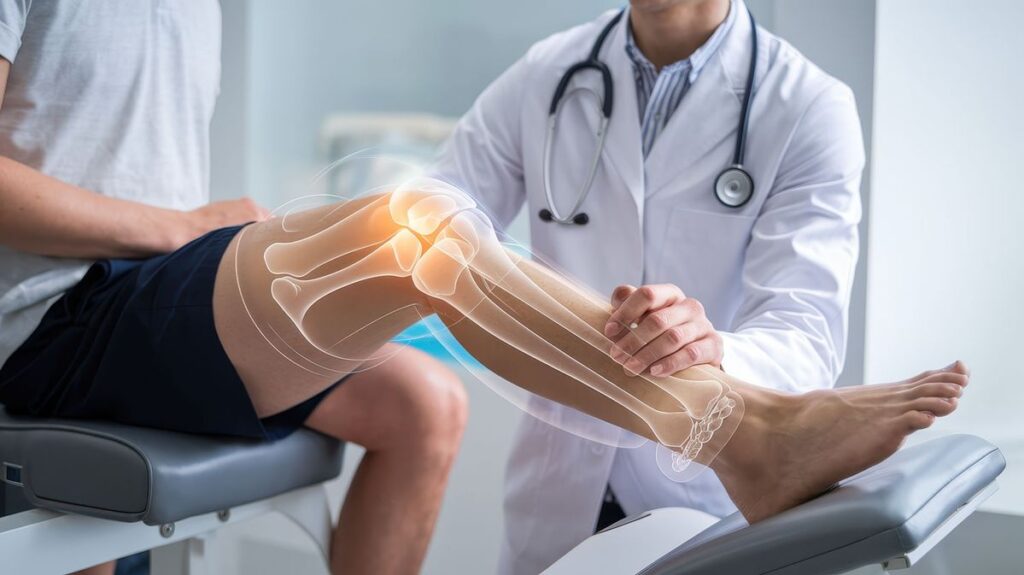
Physiotherapy plays a vital role in postoperative recovery:
- Edema management: Elevation, compression, and manual techniques
- Range of motion exercises: Prevent stiffness and contractures
- Scar management: Scar mobilization and silicone therapy
- Breathing exercises: Especially after major reconstructive surgeries
- Strengthening exercises: Restore functional capacity
- Postural correction: Important in breast or abdominal surgeries
- Patient education: Activity modification and gradual return to daily activities
Early rehabilitation improves mobility, enhances tissue healing, and prevents long-term complications
Conclusion
It is a versatile surgical specialty that addresses both functional and aesthetic concerns. While surgical intervention corrects structural issues, structured physiotherapy rehabilitation ensures optimal recovery, improved mobility, and better quality of life. A multidisciplinary approach is essential for successful outcomes.
What is plastic surgery?
Plastic surgery is a medical specialty focused on repairing, reconstructing, or enhancing body tissues for functional or aesthetic purposes.
What are common indications for plastic surgery?
It is indicated for congenital deformities, trauma, burns, post-cancer reconstruction, scar contractures, functional impairment, and cosmetic enhancement.
How does physiotherapy help after plastic surgery?
Physiotherapy supports recovery through edema control, range of motion exercises, scar management, strengthening, and gradual return to daily activities.