
Introduction
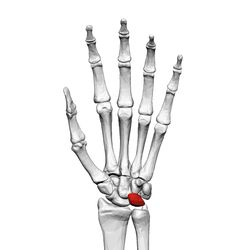
Fracture of the Lunate is a rare but clinically remarkable carpal bone injury. The lunate plays a vital role in wrist stability and motion. Due to its limited blood supply, lunate fractures require early diagnosis and proper rehabilitation to prevent long-term complications.
Definition
A lunate fracture is a break in the lunate bone, one of the eight carpal bones located centrally in the proximal row of the wrist. It often occurs in association with wrist trauma and may be overlooked on initial assessment.
Mechanism of Injury
Lunate fractures commonly result from:
- Fall on an outstretched hand
- High-energy injuries such as road traffic accidents
- Direct trauma to the wrist
- Repetitive wrist stress in athletes or manual workers
Axial loading combined with wrist extension increases the risk of injury.
Clinical Features
- Central wrist pain aggravated by movement
- Reduced grip strength
- Swelling over the dorsal aspect of the wrist
- Pain during weight-bearing through the hand
- Complexity of performing daily activities involving wrist motion
Signs and Symptoms
- Localized tenderness over the lunate
- Pain during wrist extension and flexion
- Wrist stiffness and restricted range of motion
- Weak hand grasp
- Occasionally associated with numbness if the surrounding structures are involved
Physiotherapy Management
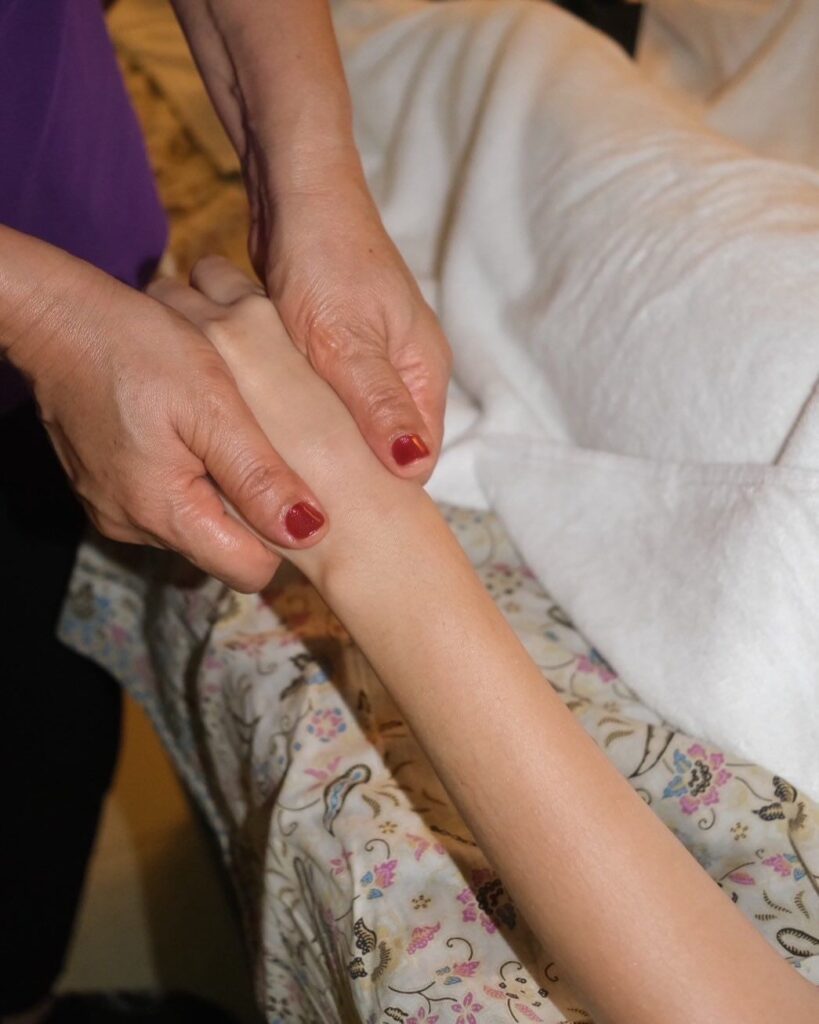
Physiotherapy is essential after immobilization or surgery:
- Pain and edema control using ice and electrotherapy
- Strengthening of wrist flexors, extensors, and grip muscles
- Gradual wrist range of motion exercises
- Joint mobilization to restore wrist mechanics
- Proprioceptive and functional training
- Activity modification and ergonomic advice
A progressive rehabilitation program improves mobility, strength, and functional recovery.
Complications
If not managed appropriately, complications may include:
- Non-union or delayed union
- decreased wrist mobility
- Chronic wrist pain
- Decreased grip strength
- Avascular necrosis of the lunate
- Early wrist arthritis
Conclusion
Fracture of the Lunate, though uncommon, can importantly impair wrist function if neglected. Early diagnosis, appropriate medical management, and structured physiotherapy rehabilitation are crucial to restore wrist mobility, preventing complications, and ensuring optimal function.
Q1. What is a fracture of the lunate?
A: It is a break in the lunate bone, a central carpal bone of the wrist, often caused by trauma and important for wrist stability.
Q2. What are the common clinical features of a lunate fracture?
A: Central wrist pain, swelling, reduced grip strength, wrist stiffness, and pain during wrist movements or weight-bearing.
Q3. Why is physiotherapy important in lunate fracture management?
A: Physiotherapy helps reduce pain and swelling, restore wrist mobility, improve strength, and prevent long-term complications.