
Introduction
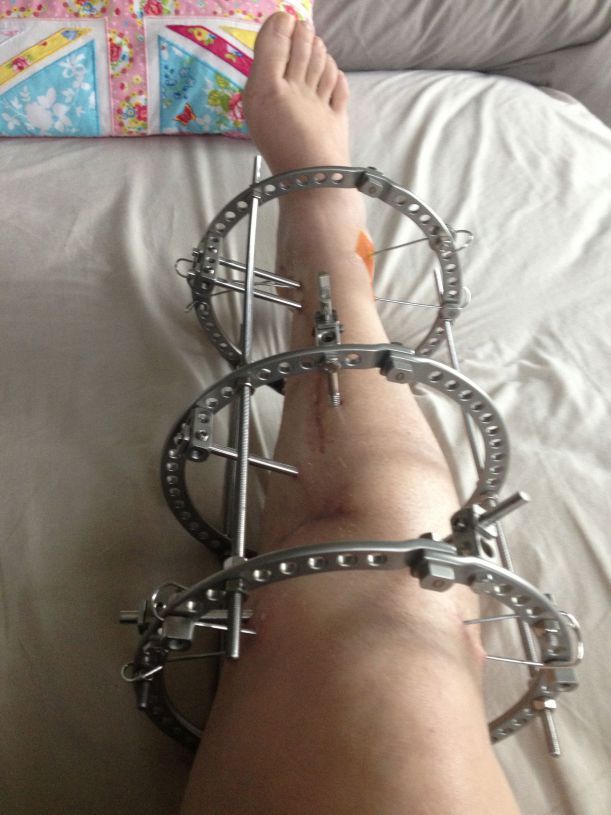
Fracture of the tibia and fibula refers to a break in one or both long bones of the lower leg. The tibia is the primary weight-bearing bone, while the fibula provides lateral stability and muscle attachment. These fractures are common following trauma and can significantly impair walking, balance, and daily activities. Early diagnosis and appropriate rehabilitation are essential for functional recovery.
Etiology
The common causes of tibia and fibula fractures include:
- Road traffic accidents and high-energy trauma
- Fall from height or slip and fall injuries
- Sports injuries involving twisting or direct impact
- Direct blow to the lower leg
- Osteoporosis or weakened bones in elderly individuals
Clinical Features
Patients with tibia and fibula fractures may present with:
- Severe leg pain and tenderness at the fracture site
- Swelling and local warmth
- Visible deformity or abnormal alignment of the leg
- Inability or difficulty in weight-bearing
- Restricted ankle and knee movements
- Crepitus or instability in severe cases
- Possible neurovascular compromise in displaced or open fractures
Physiotherapy Management
- Immobilisation of the knee, ankle, and foot leads to stiffness of these joints and weakness of the muscle group around them. Strengthening of these muscles takes priority over other measures.
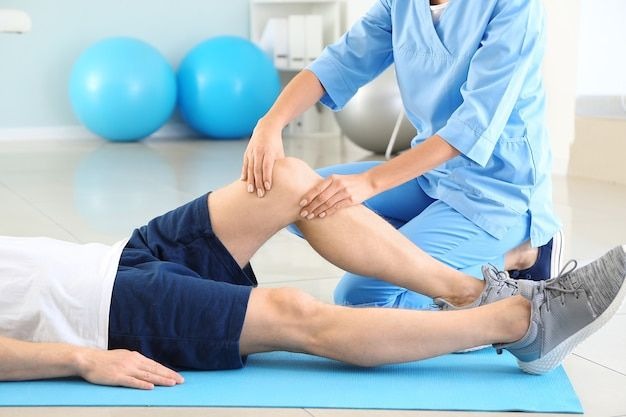
- Knee mobilisations as early as possible.
- Non-weight-bearing crutch walking to be initiated as soon as leg hanging in standing becomes painless. This will facilitate going back to work and the daily activities (about 2 weeks).
- Full weight bearing on the radiological evidence of fracture union(usually 3-6 months).
- Fractures treated by bracing, when the stable transverse fractures of the tibia are initially treated by a pop cast for 4-6 weeks.
- Fractures treated by traction.
- Due to prolonged immobilisation in skeletal traction (usually 10-12 weeks), the chances of the knee becoming stiff are quite high. The isometrics, therefore, need maximum attention.
- In case of surgery, the knee mobilisation can safely be begun by the end of 2 weeks. This facilitates regaining knee mobility and a strong extensor mechanism. Partial weight bearing can be initiated by 8 weeks, if not very painful, and full weight bearing by 12 weeks.
Complications
If not managed properly, complications may include:
- Delayed union or non-union of the fracture
- Malunion causing leg length discrepancy or deformity
- Joint stiffness and reduced ankle or knee mobility
- Muscle weakness and altered gait pattern
- Compartment syndrome or chronic pain
Conclusion
Fracture of the tibia and fibula can significantly affect lower-limb function. Early medical intervention combined with structured physiotherapy ensures optimal healing, restores strength and mobility, and helps the individual return safely to daily activities.
Q1. What is a fracture of the tibia and fibula?
Answer: It is a break in one or both long bones of the lower leg, commonly caused by trauma, and can severely affect walking, balance, and daily activities.
Q2. What are the common clinical features of tibia and fibula fractures?
Answer: Severe leg pain, swelling, deformity, difficulty in weight bearing, restricted knee and ankle movement, and possible neurovascular compromise.
Q3. What is the role of physiotherapy in tibia and fibula fracture recovery?
Answer: Physiotherapy helps prevent stiffness, strengthen muscles, restore joint mobility, and gradually progress from non-weight bearing to full weight bearing for functional recovery.