
Aphasia is a communication disorder that affects a person’s ability to speak, understand language, read, or write. It occurs due to damage to the language centers of the brain, most commonly following a stroke, head injury, brain tumor, or neurological disease. It does not affect intelligence; rather, it impacts how language is processed and expressed.
What Is Aphasia?
Aphasia varies in severity and form, depending on the area and extent of brain damage. Some individuals may struggle to find words, while others may be unable to speak fluently or understand spoken language.
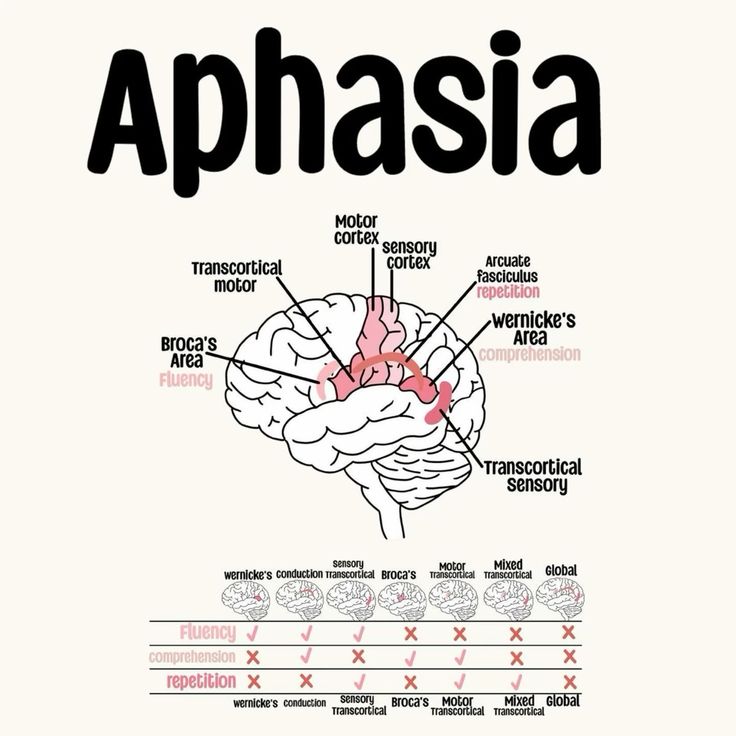
Common Types
- Broca’s Aphasia (Expressive): Difficulty speaking fluently, but comprehension is relatively preserved.
- Wernicke’s Aphasia (Receptive): Speech is fluent but often lacks meaning; understanding language is impaired.
- Global Aphasia: Severe impairment of both speech production and comprehension.
Causes
- Stroke (most common cause)
- Traumatic brain injury
- Brain tumors or infections
- Neurodegenerative disorders such as Alzheimer’s disease
Signs and Symptoms
- Speaking in short or incomplete sentences
- Using incorrect or made-up words
- Difficulty understanding conversations
- Trouble reading, writing, or naming objects
Core management principles
Early, structured speech and language therapy (SLT) is the mainstay of aphasia rehabilitation and improves language production, comprehension, and functional communication compared with no therapy.
Evidence suggests that higher intensity and sufficient total therapy hours (e.g., 20–50+ hours) yield greater gains, especially when treatment is functionally tailored and includes home practice.
Therapy choice is individualized: more severe, non-fluent aphasia may respond better to phonological approaches, while milder aphasia often benefits more from semantic or meaning-based interventions.
Management and Treatment
While there is no single cure, But effective management focuses on improving communication skills and quality of life.
- Speech and Language Therapy: The primary treatment, helping patients relearn language skills and develop alternative communication methods.
- Communication Strategies: Use of gestures, pictures, writing, or communication boards.
- Family and Caregiver Support: Training family members to communicate patiently and effectively is essential.
- Technology-Assisted Therapy: Apps and digital tools can support language practice and rehabilitation.
- Early Intervention: Starting therapy early improves recovery outcomes.
Living with Aphasia
Recovery varies from person to person. Some individuals show significant improvement, while others may experience long-term challenges. Emotional support, social interaction, and consistent therapy play a vital role in long-term management.
Aphasia is a life-altering condition that affects communication, not intelligence. With timely intervention, structured therapy, and strong support systems, individuals with aphasia can regain functional communication and lead meaningful lives.
Aaziban Care Center plays a supportive role in the holistic management of individuals with aphasia by providing structured caregiving assistance, emotional support, and coordination of therapy-related needs. Trained caregivers help reinforce communication strategies recommended by speech and language therapists, assist with daily activities, and create a patient, language-friendly environment at home. By supporting family members and ensuring continuity of care beyond clinical settings, Aaziban helps individuals with aphasia maintain consistency in rehabilitation, reduce caregiver burden, and improve overall quality of life.
1. Does aphasia affect a person’s intelligence?
No. Aphasia affects how language is processed and expressed, not intelligence. Individuals with aphasia think clearly but have difficulty speaking, understanding, reading, or writing.
2. What is the most effective treatment for aphasia?
Speech and Language Therapy (SLT) is the primary and most effective treatment. Early, structured, and sufficiently intensive therapy significantly improves communication and functional outcomes.
3. How can caregivers and support services help someone with aphasia?
Caregivers play a key role by using patient communication strategies, providing emotional support, and ensuring therapy continuity. Support services like Aaziban help reinforce therapy at home and reduce caregiver burden.