
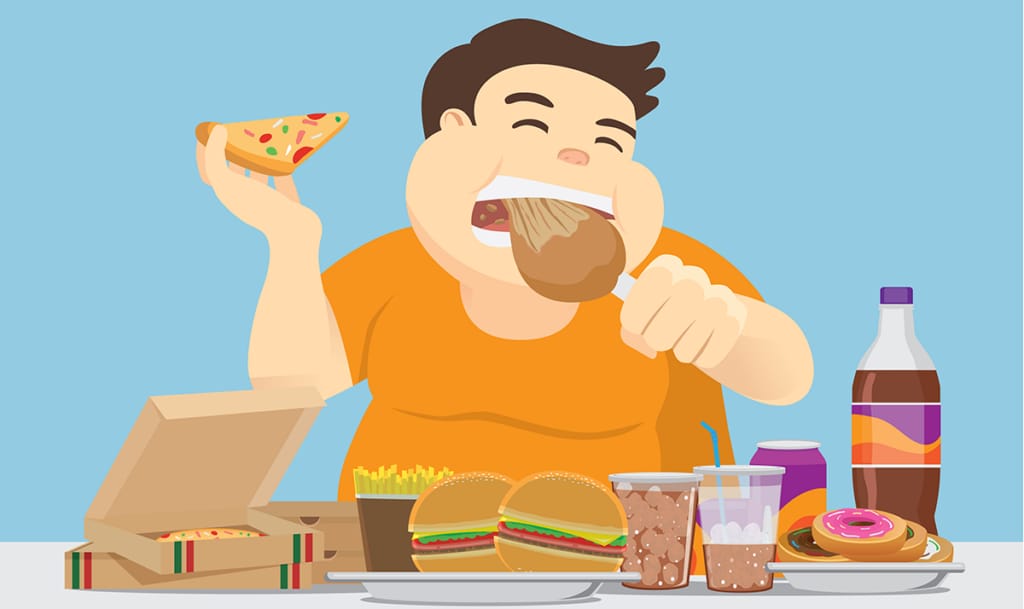
Binge Eating Disorder (BED)is a mental health condition where a person repeatedly eats large amounts of food in a short time while feeling a loss of control, followed by guilt, shame, or distress. Unlike bulimia, there is no regular purging (vomiting, laxatives, excessive exercise).
Key signs of Binge Eating Disorder
- Eating very quickly or until uncomfortably full
- Eating when not physically hungry
- Eating alone or secretly due to embarrassment
- Feeling out of control during episodes
- Feeling guilty, depressed, or ashamed afterward
- Frequent dieting but difficulty losing weight
Common causes
- Emotional stress, anxiety, depression
- Restrictive dieting or “all-or-nothing” food rules
- Low self-esteem or body image issues
- Trauma or unresolved emotional pain
- Hormonal and brain chemical imbalances
How to fix / manage Binge Eating Disorder
Recovery is possible, but it’s a process, not instant.
1. Stop extreme dieting
- Skipping meals increases binge risk
- Eat regular meals (every 3–4 hours)
- Avoid labeling foods as “good” or “bad”
2. Build a balanced eating patter
Include in each meal:
Protein (eggs, dal, fish, paneer)
Fiber(vegetables, fruits, whole grains)
Healthy fats (nuts, seeds, ghee in moderation)
This keeps blood sugar stable and reduces cravings.
3. Identify binge triggers
Ask yourself:
- Am I eating because of stress, boredom, sadness, loneliness?
- Does bingeing happen at a specific time or situation?
👉 Replace binge response with non-food coping:
Walk, music, journaling, deep breathing, calling a friend
4. Practice mindful eating
- Eat without phone/TV
- Chew slowly, notice taste and fullness
- Stop when comfortably full, not stuffed
5. Remove guilt & shame
- One binge does not mean failure
- Shame fuels the next binge
- Talk to yourself with compassion, not punishment
6. Improve sleep & stress
- Poor sleep increases hunger hormones
- Try yoga, meditation, breathing exercises
- Aim for 7–9 hours sleep
7. Get professional help (very important)
BED is a treatable mental health condition.
Best treatments:
- Cognitive Behavioral Therapy (CBT)
- Dietitian specialized in eating disorders
- Psychiatrist (medication if needed)
When to seek help urgently
- Binges happen multiple times a week
- Eating causes severe distress or depression
- You feel out of control around food
- Weight or health is rapidly affected
Q1. What is Binge Eating Disorder (BED)?
A: BED is a mental health condition where a person eats large amounts of food in a short time with a loss of control, followed by guilt or shame, without regular purging behaviors.
Q2. What are the common signs of BED?
A: Eating very fast or until uncomfortably full, eating without hunger, eating secretly, feeling out of control, and feeling guilty or depressed after eating.
Q3. How can Binge Eating Disorder be managed?
A: By stopping extreme dieting, eating balanced regular meals, identifying emotional triggers, practicing mindful eating, reducing guilt, managing stress and sleep, and seeking professional help like CBT or a dietitian.