
Introduction
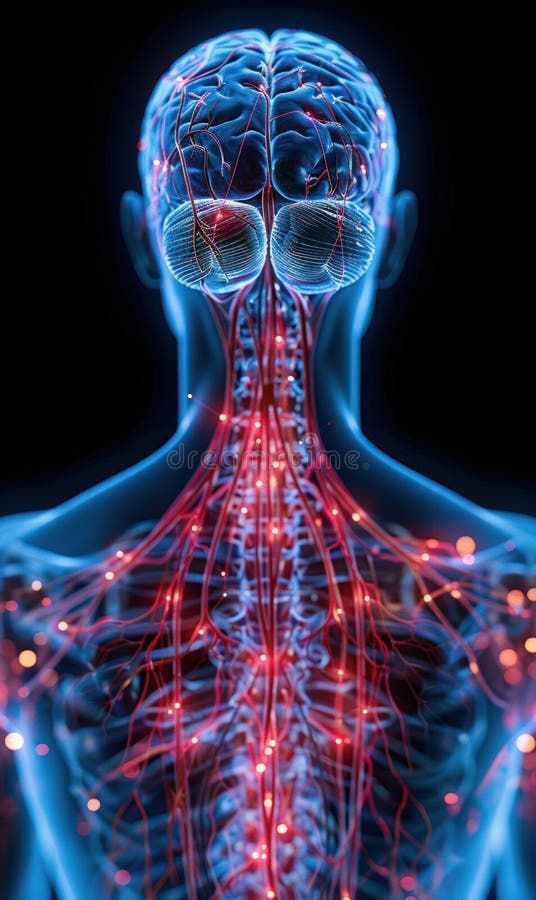
Central Cord Syndrome (CCS) is the most common form of incomplete spinal cord injury, typically affecting the cervical region. It often results in greater impairment of the upper limbs than the lower limbs, significantly impacting functional independence and quality of life.
Definition
Central Cord Syndrome is a neurological condition characterized by disproportionately greater motor weakness in the upper extremities compared to the lower extremities, often accompanied by varying degrees of sensory loss and bladder dysfunction. It usually occurs due to damage to the central portion of the spinal cord.
Etiology
- Hyperextension injuries of the cervical spine (commonly in the elderly with spondylosis)
- Traumatic events such as falls or road traffic accidents
- Intervertebral disc herniation
- Cervical spinal stenosis
- Spinal cord tumors or hemorrhage (less common)
Clinical Features
- Greater motor weakness in the upper limbs than in the lower limbs
- Hand dysfunction and poor grip strength
- Loss of pain and temperature sensation (more than proprioception)
- Variable sensory loss below the level of injury
- Bladder dysfunction (urinary retention or incontinence)
- Possible burning pain or dysesthesia
Complications
- Persistent upper limb disability
- Pressure sores due to immobility
- Spasticity and muscle stiffness
- Chronic neuropathic pain
- Urinary tract infections
- Decreased functional independence

Physiotherapy Management
- Early Mobilization: Prevents complications like pressure sores and deep vein thrombosis
- Pain Management: Modalities such as TENS and positioning techniques
- Strengthening Exercises: Focus on upper limb recovery, especially hand function
- Range of Motion (ROM) Exercises: Maintain joint flexibility and prevent contractures
- Functional Training: Activities of daily living (ADL) retraining
- Balance and Gait Training: Improve coordination and ambulation
- Neuromuscular Re-education: Enhance motor control and coordination
- Patient Education: Posture correction, skin care, and prevention of secondary complications
Conclusion
Central Cord Syndrome presents unique rehabilitation challenges due to predominant upper limb involvement. Early diagnosis, multidisciplinary care, and targeted physiotherapy interventions play a vital role in optimizing recovery and improving the patient’s quality of life.
Q: What is Central Cord Syndrome (CCS)?
A: It is an incomplete spinal cord injury causing greater weakness in the upper limbs than the lower limbs.
Q: What is the most common cause of CCS?
A: Hyperextension injury of the cervical spine, especially in elderly individuals with spondylosis.
Q: What is a key focus of physiotherapy in CCS?
A: Improving upper limb function, especially hand strength and coordination.