














March 2026

Central Cord Syndrome: A Focused Clinical Overview
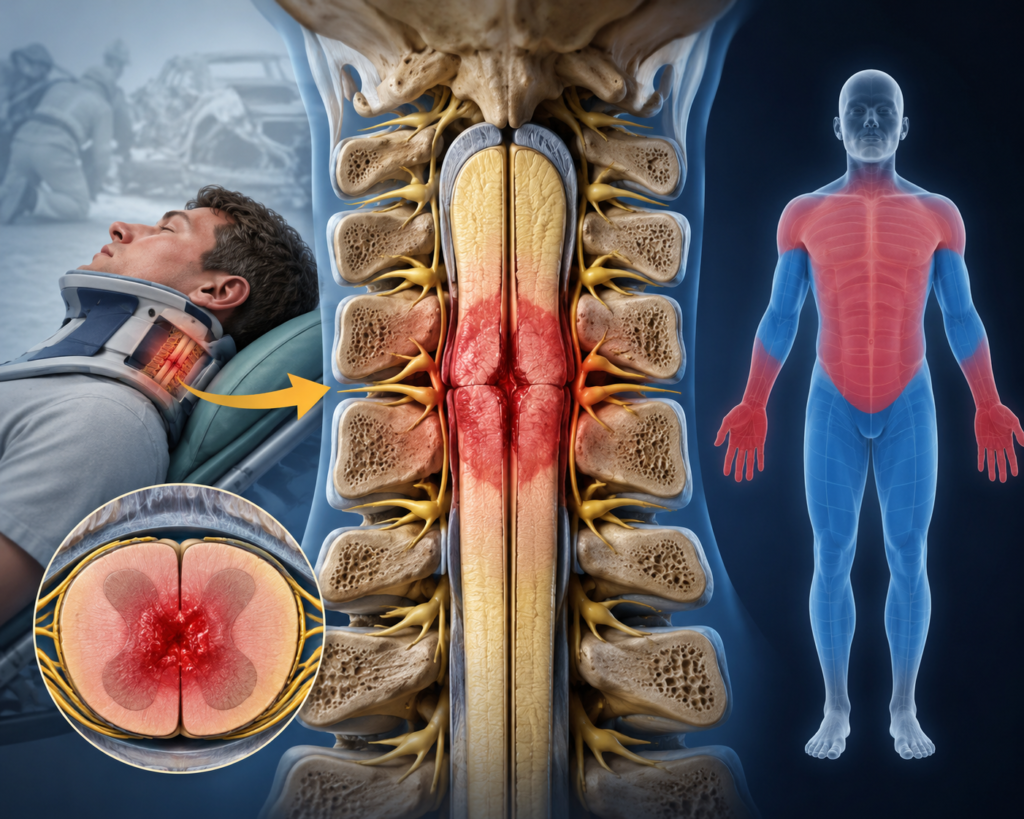
Central Cord Syndrome

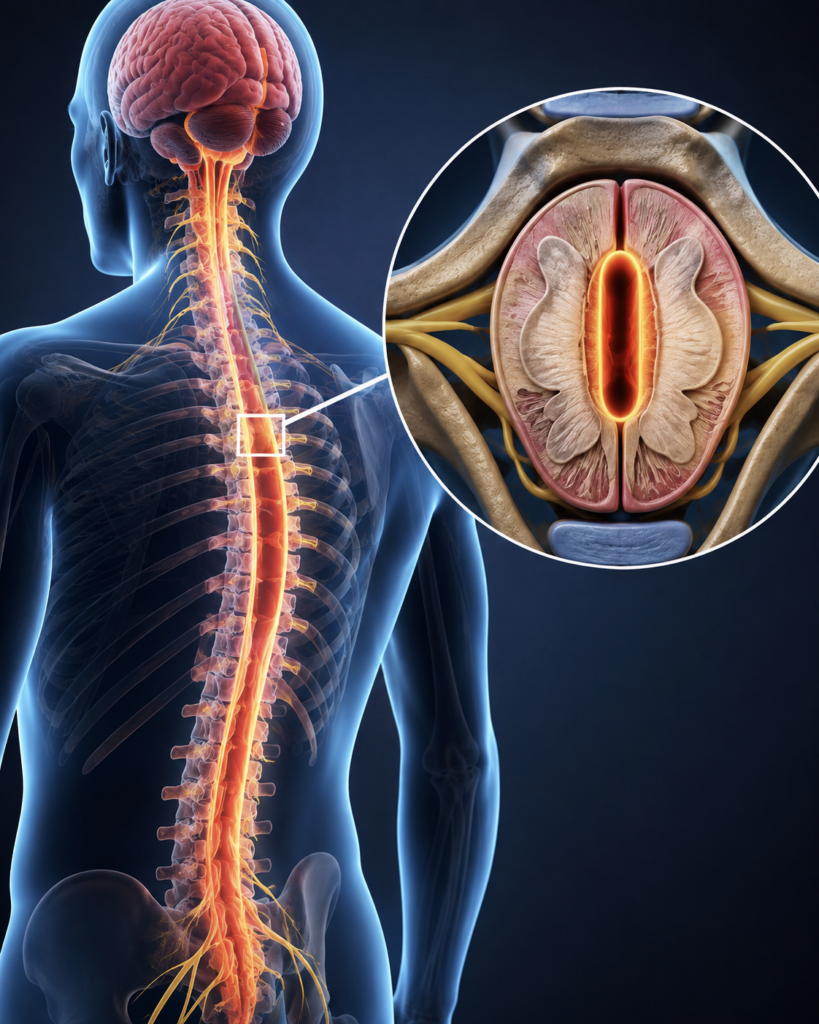
Introduction Central Cord Syndrome (CCS) is the most common form of incomplete spinal cord injury, typically affecting the cervical region. It often results in greater impairment of the upper limbs than the lower limbs, significantly impacting functional independence and quality of life. Definition Central Cord Syndrome is a neurological condition characterized by disproportionately greater motor …

Central Cord Syndrome: A Focused Clinical Overview Read More »
Focal Neuropathy: From Nerve Damage to Recovery

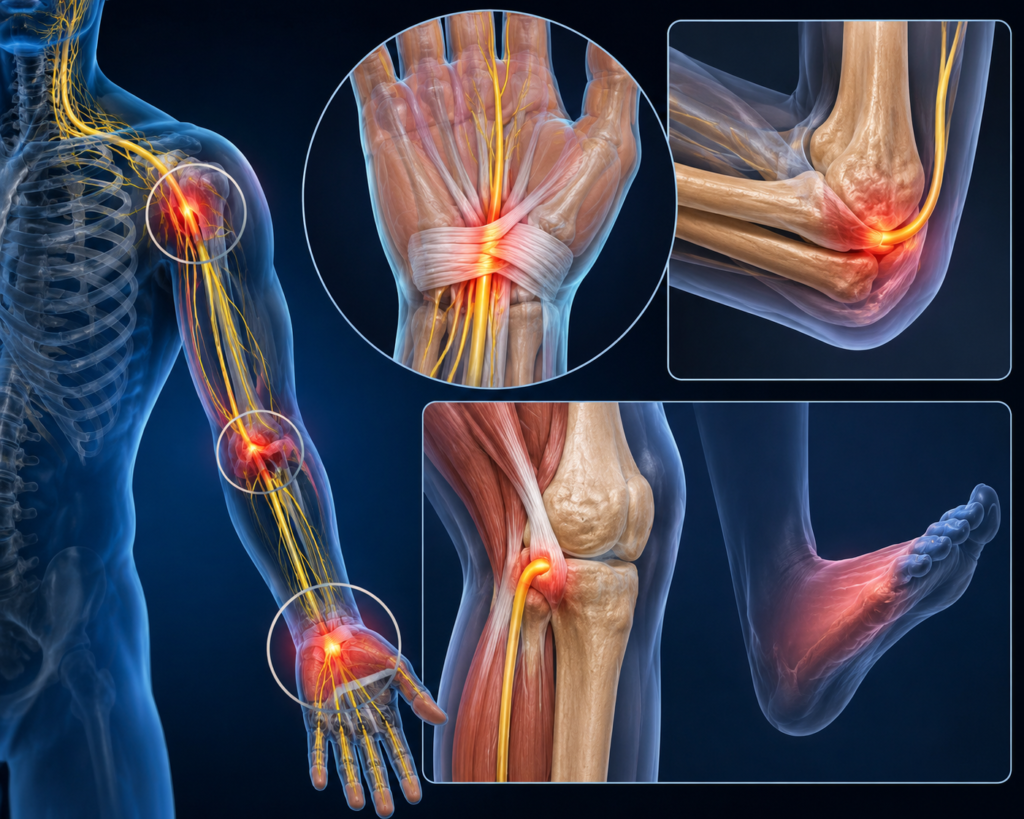
Focal Neuropathy

Introduction Focal neuropathy is a type of peripheral nerve disorder that affects a single nerve or a group of nerves, leading to sudden and localized symptoms. It is commonly seen in conditions like diabetes and can remarkably impact daily functional activities. Early diagnosis and targeted management are essential for optimal recovery. Definition Focal neuropathy refers …

Focal Neuropathy: From Nerve Damage to Recovery Read More »

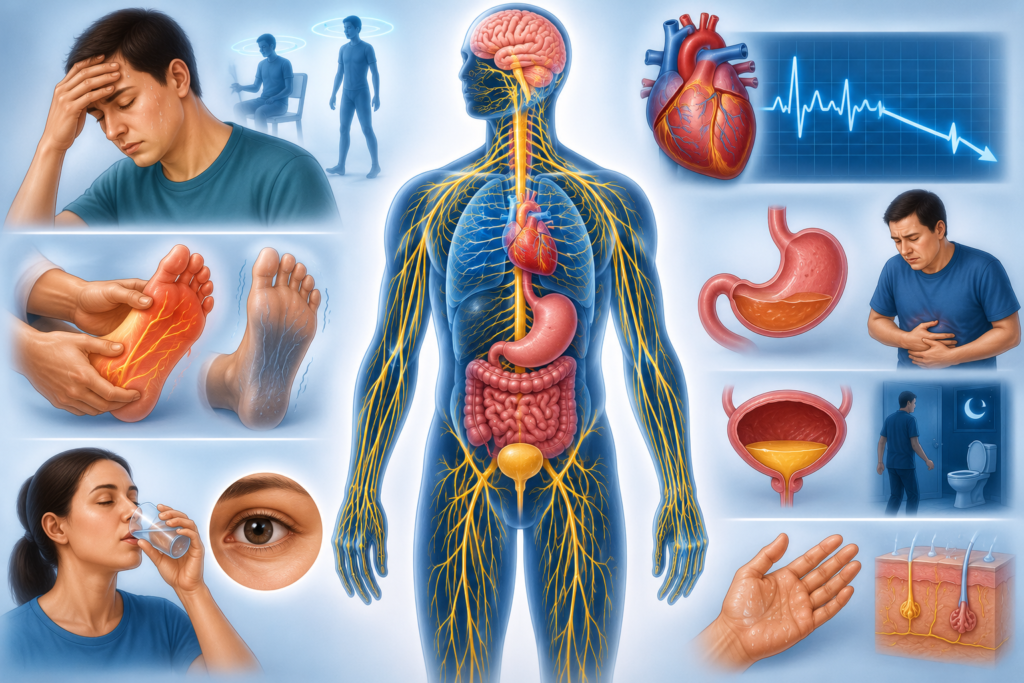
Understanding Autonomic Neuropathy: A Clinical Overview

4fc39369ab873e34f15415ae15571342

Introduction Autonomic Neuropathy is a disorder affecting the autonomic nervous system (ANS), which controls involuntary body functions such as heart rate, blood pressure, digestion, and temperature regulation. Damage to these nerves can remarkably impact multiple organ systems and decreased quality of life. Early diagnosis and appropriate management are essential to prevent serious complications. Definition Autonomic …

Understanding Autonomic Neuropathy: A Clinical Overview Read More »
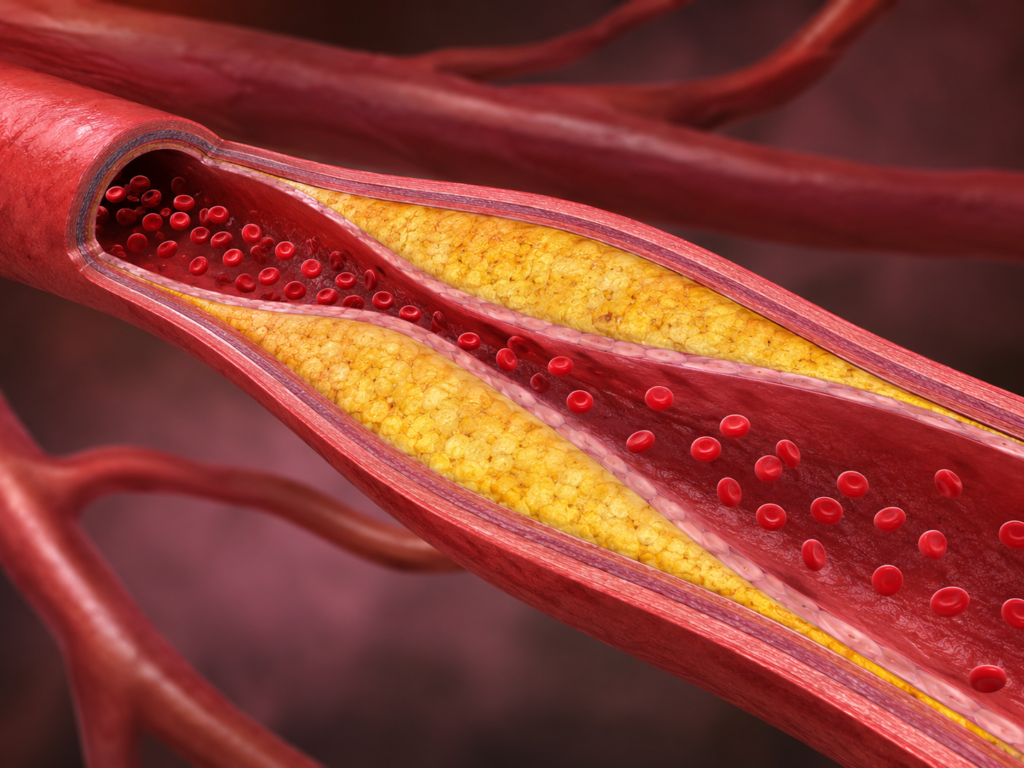
Atheroma: Clinical Features and Management Approach

Atheroma

Introduction Atheroma is a common vascular condition associated with the buildup of fatty deposits within arterial walls. It plays a vital role in the development of cardiovascular diseases such as coronary artery disease and stroke. Early detection and appropriate management are essential to prevent serious complications and improve overall health outcomes. Definition Atheroma refers to …

Atheroma: Clinical Features and Management Approach Read More »

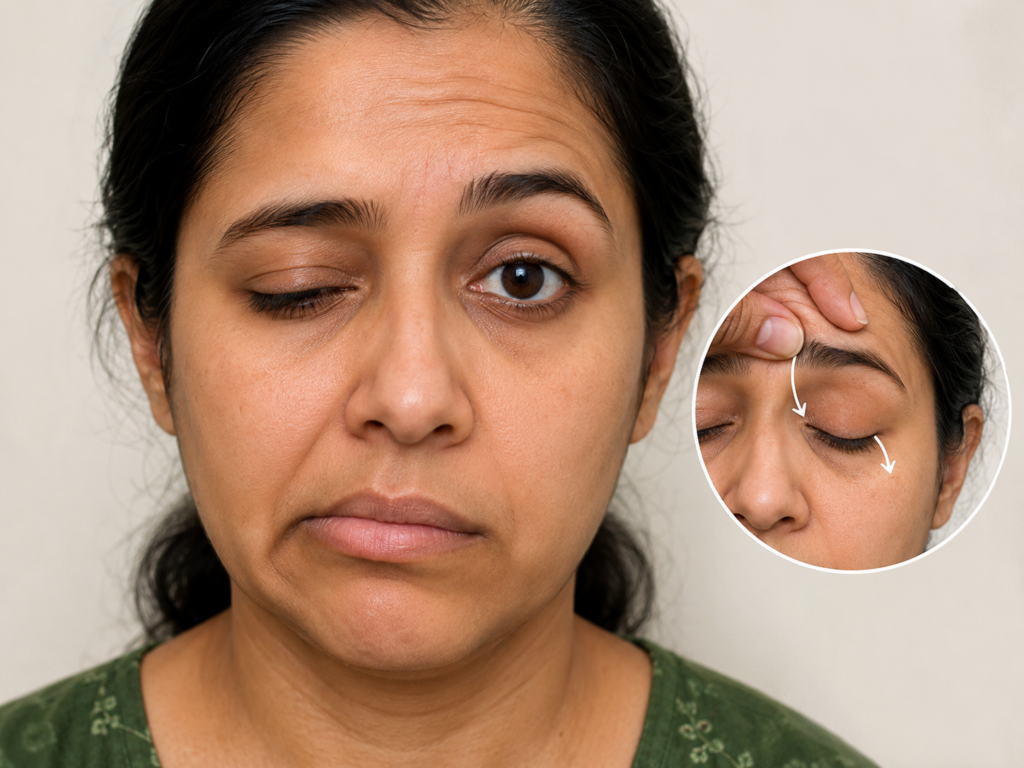
Bell’s Phenomenon: Clinical Insights and Rehabilitation Approach

Bell’s phenomenon

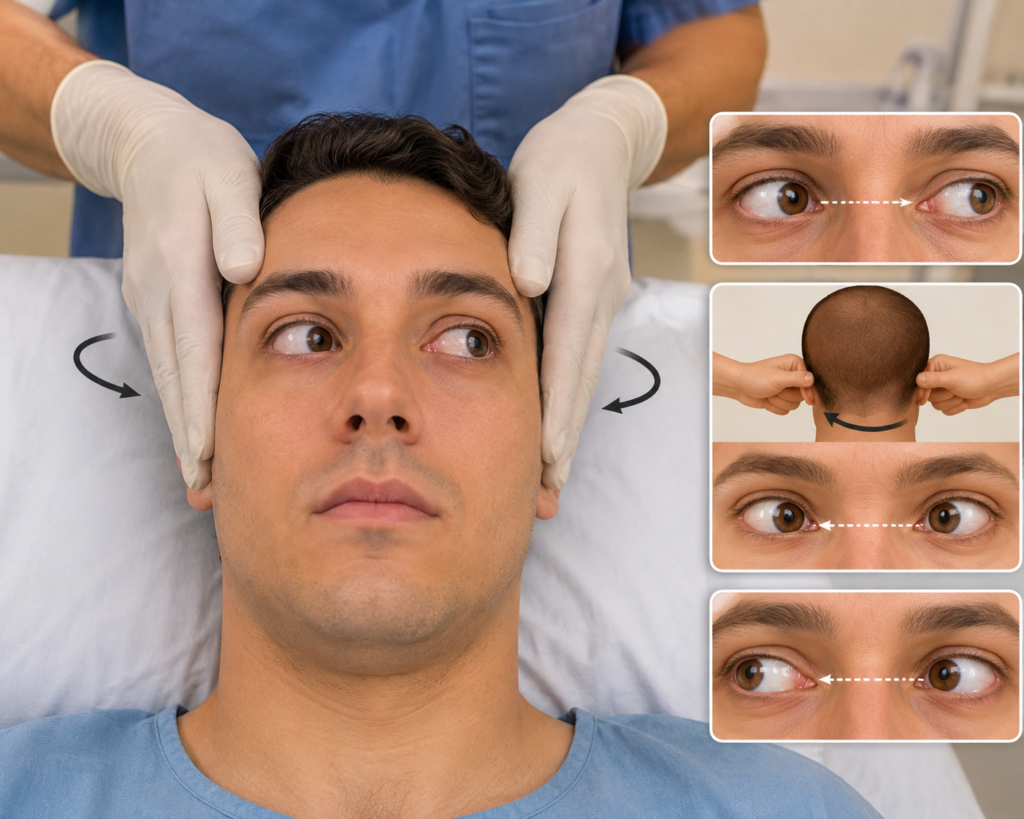
Introduction Bell’s phenomenon is an important clinical sign commonly observed in patients with facial nerve disorders, particularly Bell’s palsy. It serves as a protective reflex of the eye, helping to prevent corneal damage when eyelid closure is impaired. Understanding this phenomenon is essential for clinicians involved in neurological and physiotherapy rehabilitation. Definition Bell’s phenomenon is …

Bell’s Phenomenon: Clinical Insights and Rehabilitation Approach Read More »

Volkmann’s Ischemic Contracture: A Clinical Overview and Rehabilitation Approach

Volkmann’s Ischemic Contracture

Introduction Volkmann’s Ischemic Contracture (VIC) is a serious orthopedic condition resulting from untreated or poorly managed compartment syndrome, most commonly affecting the forearm. It leads to permanent muscle and nerve damage, causing deformity and functional impairment. Early recognition and timely intervention are vital to prevent irreversible disability. Definition Volkmann’s Ischemic Contracture is defined as a …

Volkmann’s Ischemic Contracture: A Clinical Overview and Rehabilitation Approach Read More »

Tourniquet Palsy: Clinical Features and Rehabilitation Approach

Tourniquet palsy

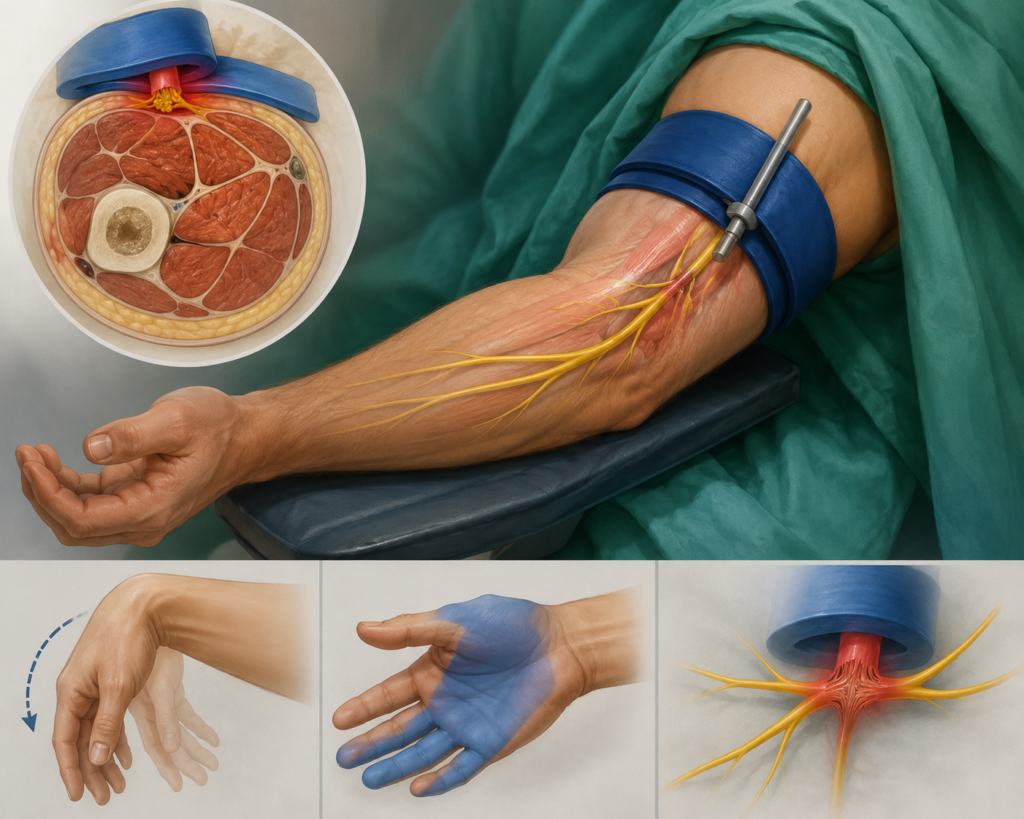
Introduction Tourniquet palsy is a rare but clinically significant complication associated with the use of a tourniquet during surgical procedures, particularly in orthopedic operations. Tourniquets are widely used to create a bloodless surgical field; however, prolonged application or excessive pressure can lead to nerve compression and ischemic injury. Early identification and timely rehabilitation are essential …

Tourniquet Palsy: Clinical Features and Rehabilitation Approach Read More »

Crutch Palsy: Causes, Clinical Features, and Rehabilitation Approach

Crutch Palsy

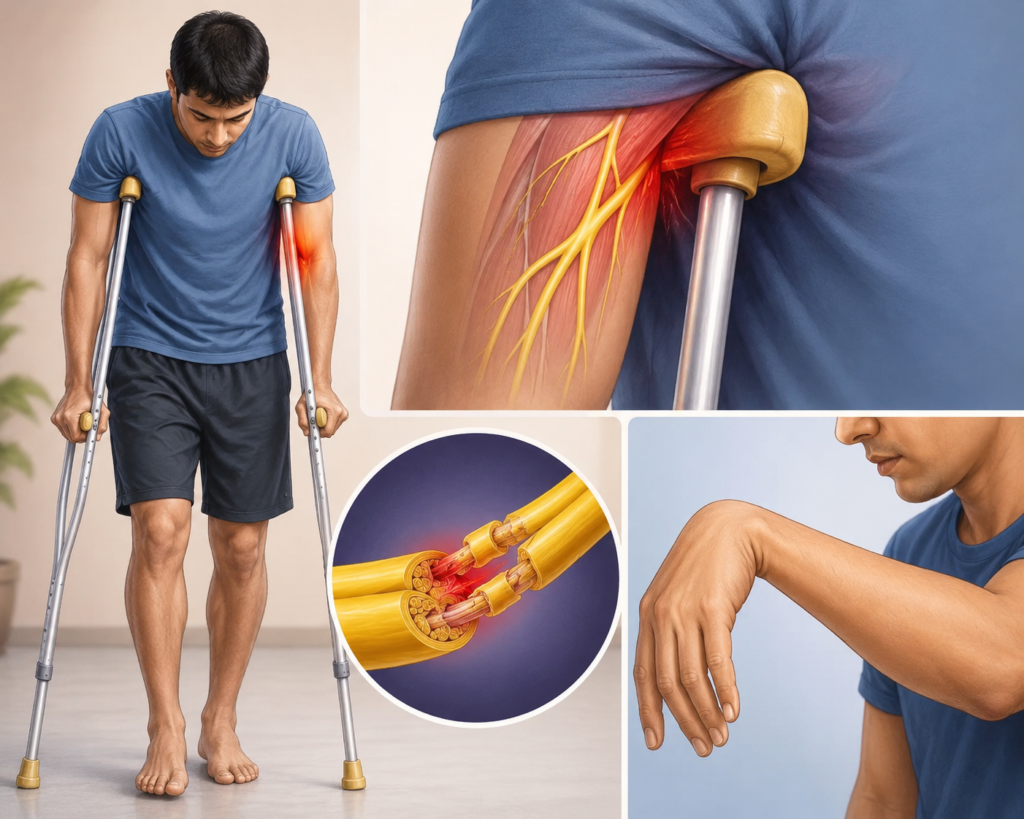
Introduction Crutch Palsy is a neurological condition that occurs due to prolonged or improper use of crutches. It commonly affects individuals who rely on axillary crutches for mobility after injuries or surgeries. Excessive pressure in the armpit region can compress important nerves, particularly the radial nerve, leading to weakness and sensory disturbances in the upper …

Crutch Palsy: Causes, Clinical Features, and Rehabilitation Approach Read More »

Nystagmus: Clinical Features and Physiotherapy Management

Nystagmus

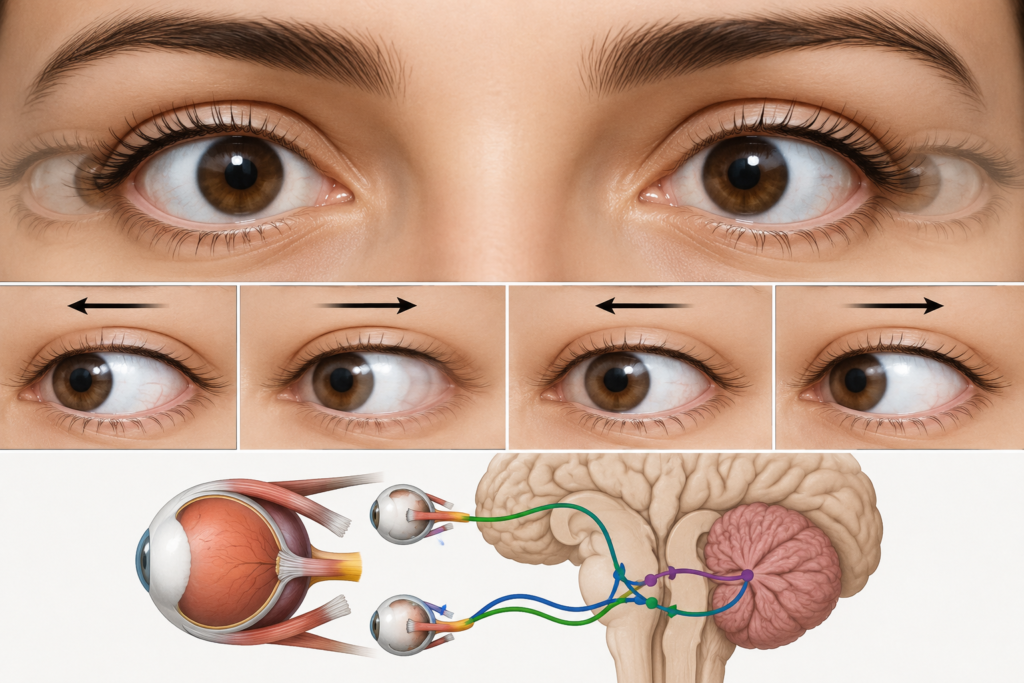
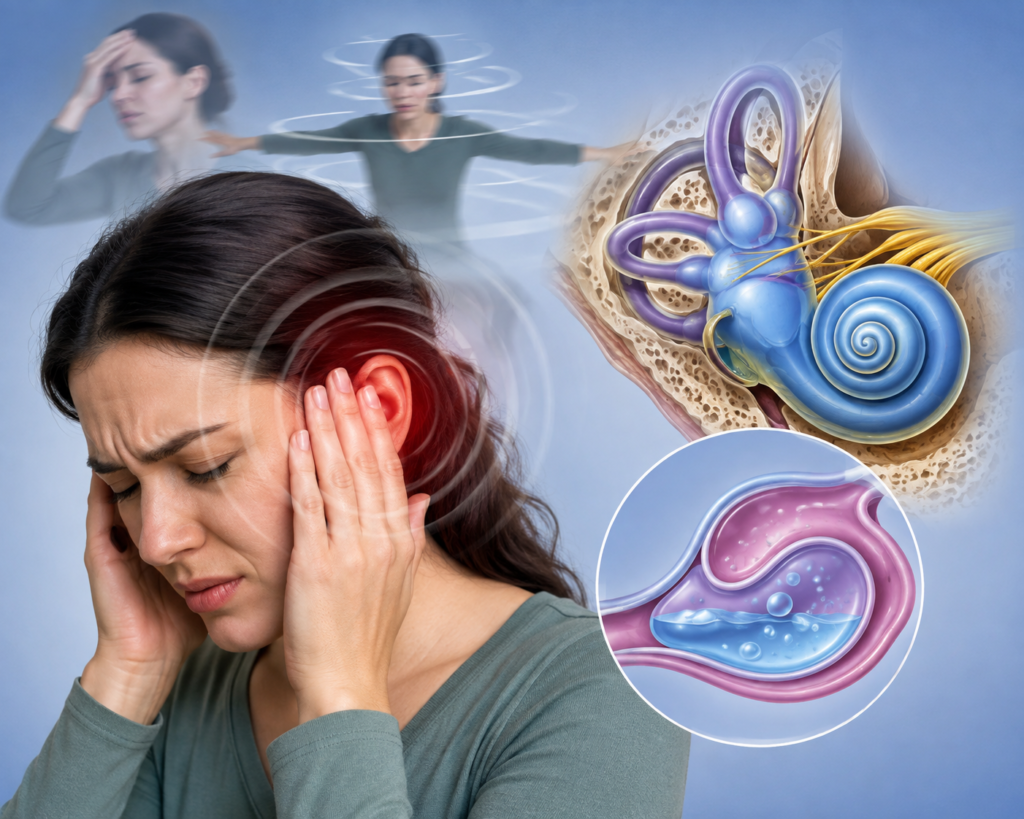
Introduction Nystagmus is a neurological and vestibular condition characterized by involuntary, rhythmic eye movements. These movements can interfere with stable vision and balance, often affecting daily activities such as reading, walking, and focusing on objects. Nystagmus may occur due to disorders of the inner ear, brainstem, or cerebellum. Early recognition and appropriate management are important …

Nystagmus: Clinical Features and Physiotherapy Management Read More »

Understanding Dysarthria: A Motor Speech Disorder Explained

Dysarthria

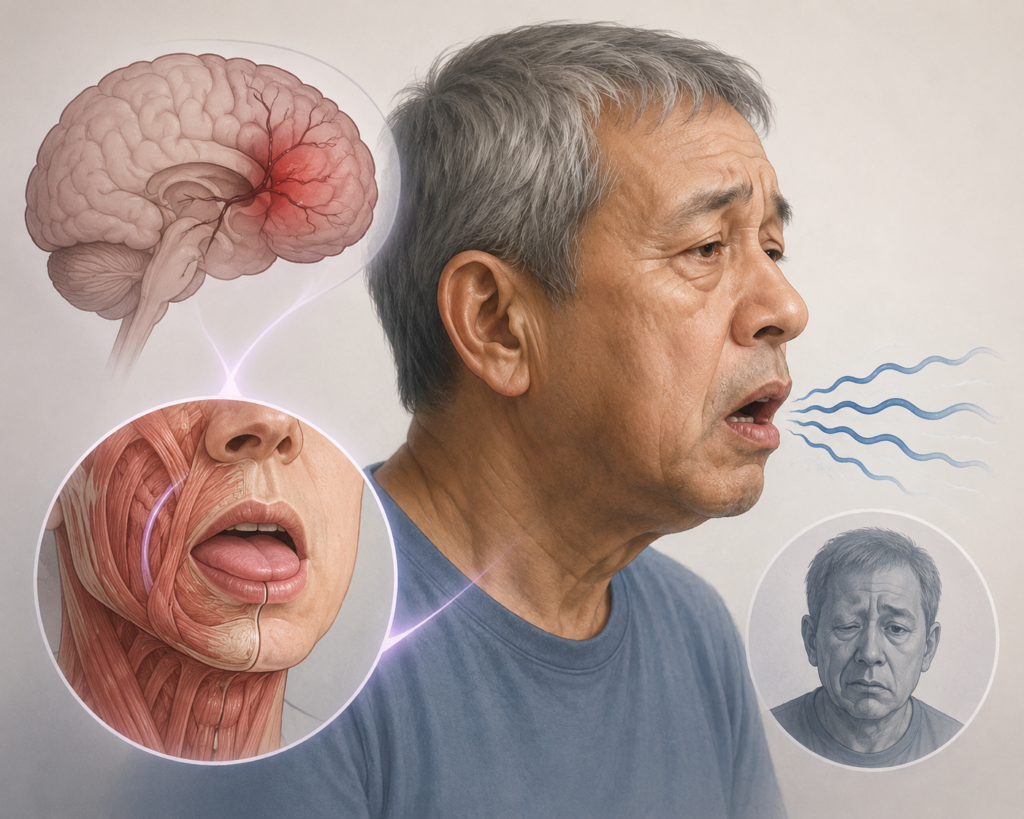
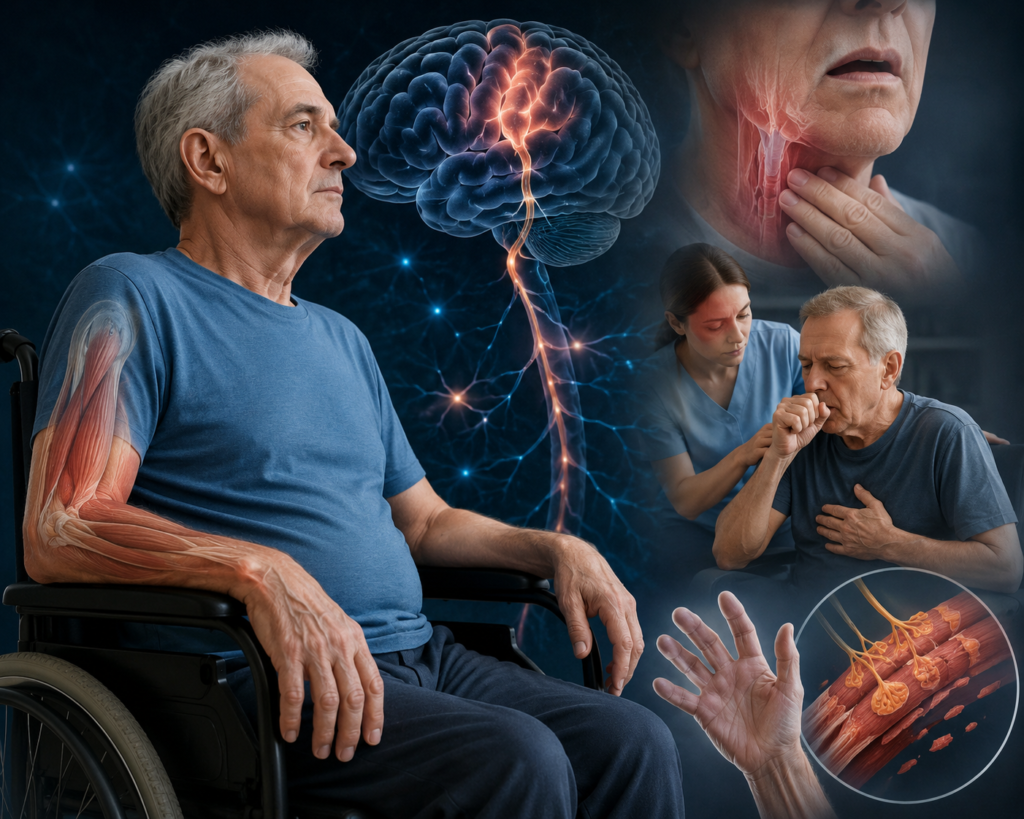
Introduction Dysarthria is a motor speech disorder resulting from neurological impairment that affects the muscles used for speech production. It can significantly impact communication, social interaction, and overall quality of life. Individuals with dysarthria may have difficulty controlling the muscles of the lips, tongue, vocal cords, and diaphragm, leading to unclear or slow speech. Early …

Understanding Dysarthria: A Motor Speech Disorder Explained Read More »

Dysphagia: Causes, Symptoms, and Rehabilitation Approach

Dysphagia

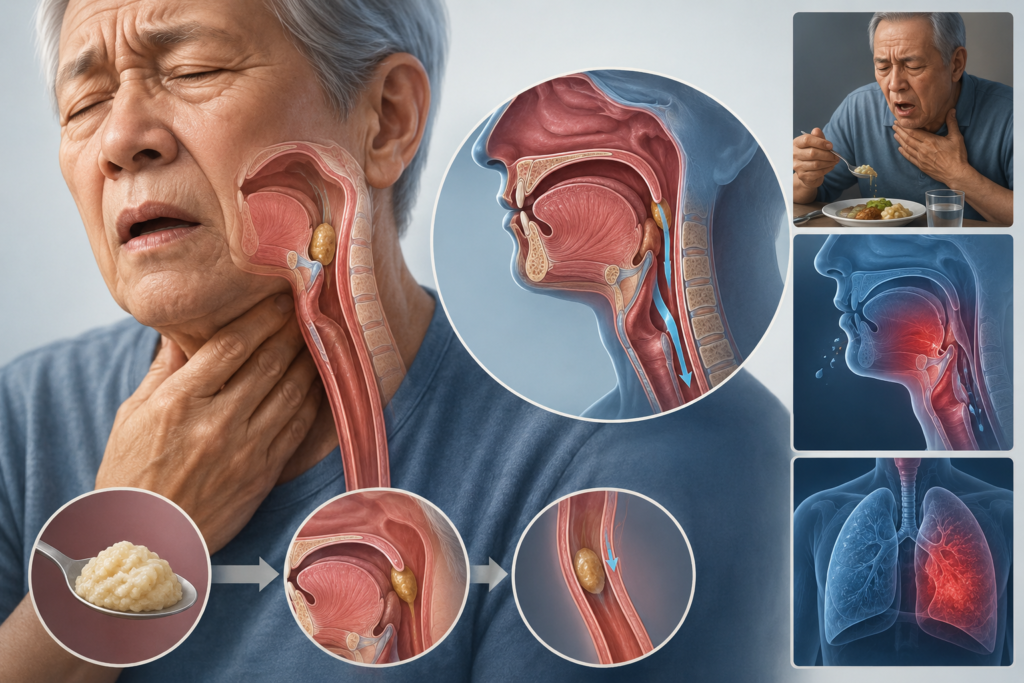
Introduction Dysphagia is a common medical condition characterized by difficulty in swallowing. It can occur due to neurological, muscular, or structural abnormalities affecting the swallowing mechanism. Dysphagia may lead to inadequate nutrition, dehydration, and respiratory complications if not managed properly. Early identification and appropriate rehabilitation are essential to upgrade swallowing function and quality of life. …

Dysphagia: Causes, Symptoms, and Rehabilitation Approach Read More »

Hypophonia: Causes, Clinical Features, and Rehabilitation Approach

0a9ebc3b8d0a05a08c0bd2ff205fd191

Introduction Hypophonia is a common speech disorder often observed in neurological conditions. It is characterized by a decreased voice volume that makes speech difficult to hear and understand. This condition remarkably affects communication, social interaction, and quality of life. Early recognition and proper rehabilitation strategies are important for improving speech clarity and functional communication. Definition …

Hypophonia: Causes, Clinical Features, and Rehabilitation Approach Read More »

Dystonia: Postural Abnormalities and Therapeutic Interventions

Dystonia

Introduction Dystonia is a chronic neurological movement disorder characterized by involuntary muscle contractions that cause abnormal movements and postures. These movements can be painful, repetitive, and disabling, remarkably affecting daily activities and quality of life. Early diagnosis and rehabilitation play a crucial role in symptom management. Definition Dystonia is defined as a neurological condition in …

Dystonia: Postural Abnormalities and Therapeutic Interventions Read More »

Camptocormia: Postural Deformity and Rehabilitation Approach

Camptocormia

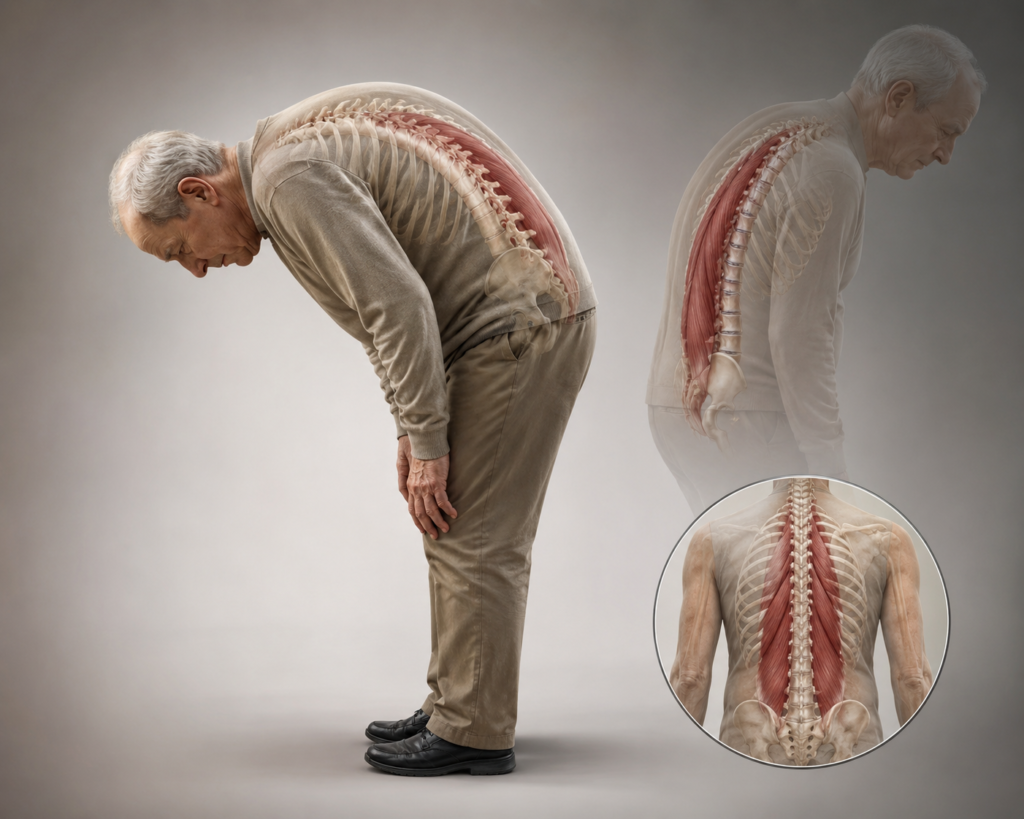
Introduction Camptocormia is a disabling postural abnormality commonly seen in neurological and neuromuscular disorders. It remarkably affects standing and walking ability, leading to decreased freedom and social participation. Early recognition and structured rehabilitation are essential to improve functional outcomes. Definition Camptocormia is characterized by an abnormal, marked forward flexion of the thoracolumbar spine that appears …

Camptocormia: Postural Deformity and Rehabilitation Approach Read More »

Akinesia: Clinical Insights and Rehabilitation Approach

4065990bee3a64b02c473289a9800629

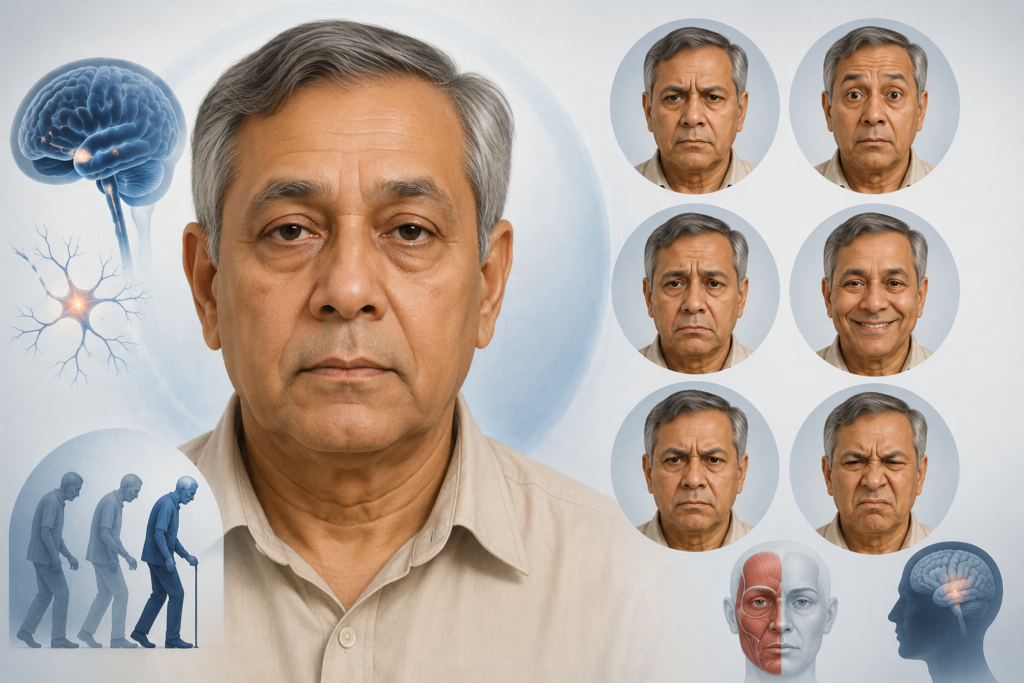
Introduction Akinesia is a significant motor symptom commonly associated with movement disorders. It severely affects voluntary movement, leading to decreased independence and impaired quality of life. Early recognition and structured rehabilitation are essential to optimize functional outcomes. Definition Akinesia refers to the absence or marked difficulty in initiating voluntary movements. It is often observed in …

Akinesia: Clinical Insights and Rehabilitation Approach Read More »