
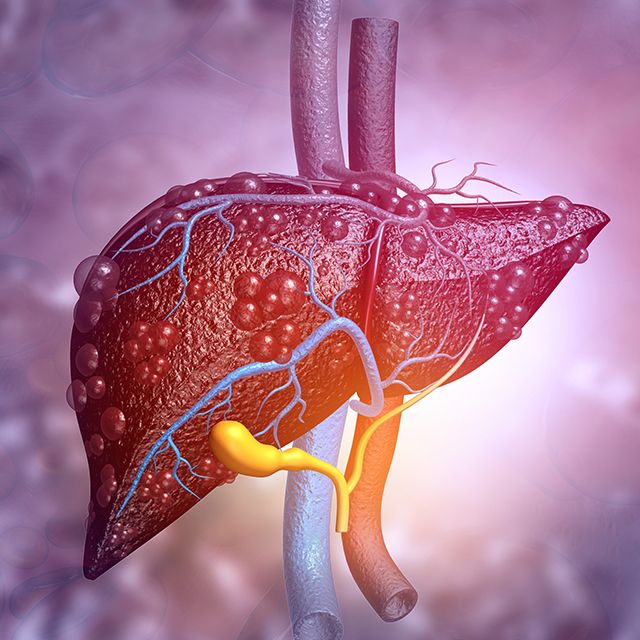
The pancreas plays a vital dual role in the body—regulating blood sugar through insulin and supporting digestion by releasing enzymes. Despite its importance, this hardworking organ is often overlooked. Certain everyday habits can silently overburden the pancreas, increasing the risk of insulin resistance, digestive issues, and metabolic disorders. Understanding these habits is the first step toward protecting pancreatic health.
1. Excess Sugar and Refined Carbohydrate Intake
Frequent consumption of sugary foods, sweetened beverages, white bread, and refined snacks forces the pancreas to produce large amounts of insulin repeatedly. Over time, this constant demand can exhaust insulin-producing cells, leading to insulin resistance and increasing the risk of type 2 diabetes.
2. Irregular Eating Patterns
Skipping meals, prolonged fasting without planning, or overeating at irregular times disrupts blood sugar balance. This erratic pattern makes the pancreas work harder to stabilize glucose levels, causing unnecessary stress.
3. High-Fat, Ultra-Processed Diet
Diets rich in fried foods, trans fats, and heavily processed meals can interfere with insulin action and promote inflammation. This not only affects blood sugar control but also burdens the pancreas’ digestive enzyme function.
4. Chronic Stress and Poor Sleep
Ongoing stress triggers the release of cortisol, a hormone that raises blood sugar levels. Similarly, inadequate sleep impairs insulin sensitivity. Both conditions force the pancreas to secrete more insulin to compensate. As per a 2014 study published in World Journal of Gastroenterology , chronic stress increases the risk of exocrine pancreas and and pancreatitis episodes.
5. Sedentary Lifestyle
Lack of physical activity reduces the body’s ability to use insulin efficiently. When muscles don’t absorb glucose effectively, the pancreas must produce more insulin to manage blood sugar levels.
6. Excessive Alcohol Consumption
Regular heavy alcohol intake can inflame pancreatic tissue and disrupt enzyme production. Over time, this may increase the risk of pancreatitis and impair both digestive and hormonal functions.
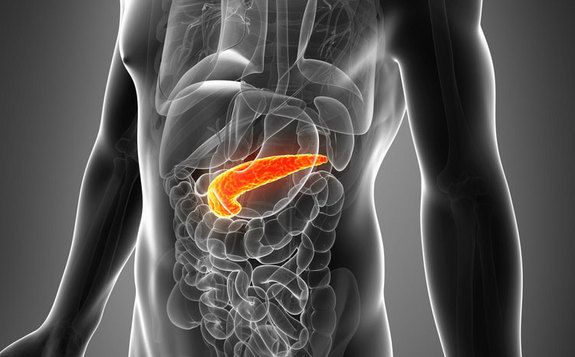
Supporting Your Pancreas Daily
Balanced meals, regular physical activity, adequate sleep, stress management, and mindful eating habits can significantly reduce pancreatic stress. Choosing whole foods, managing portion sizes, and maintaining routine meal times allow the pancreas to function efficiently without overload.
The pancreas works tirelessly to maintain metabolic balance. Small daily choices—what you eat, how you move, and how well you rest—can either support or strain this essential organ. By adopting pancreas-friendly habits, you help safeguard long-term metabolic and digestive health. At Aaziban Care Center, the focus is on preventive care, lifestyle guidance, proper diet plan according to your health condition and personalized support to help individuals manage metabolic health effectively.
How do sugary and refined foods affect the pancreas?
Sugary foods and refined carbohydrates force the pancreas to release insulin repeatedly. Over time, this constant demand can tire insulin-producing cells, increasing the risk of insulin resistance and type 2 diabetes.
Why do stress and poor sleep put pressure on the pancreas?
Chronic stress raises cortisol levels and poor sleep reduces insulin sensitivity. Both cause higher blood sugar levels, making the pancreas work harder to release more insulin.
What daily habits help reduce stress on the pancreas?
Eating balanced meals at regular times, staying physically active, managing stress, sleeping well, and limiting processed foods and alcohol help the pancreas function efficiently and support long-term metabolic health.