
Introduction
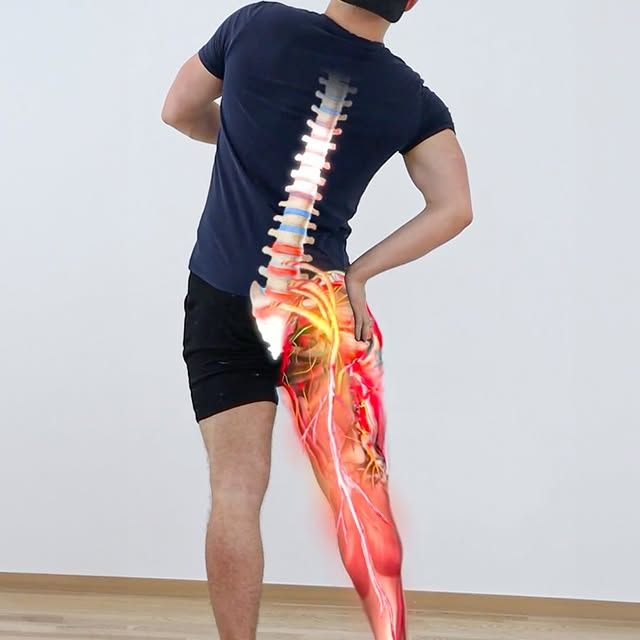
Sciatica is a common neuromuscular condition characterized by pain radiating along the path of the sciatic nerve. It often affects the lower back, buttocks, and one or both lower limbs. Sciatica can remarkably interfere with daily activities, posture, and mobility if not addressed early.
Definition
Sciatica refers to a set of symptoms caused by irritation, compression, or inflammation of the sciatic nerve—the longest nerve in the human body—originating from the lumbar spine and extending down the leg.
Etiology
- Lumbar disc herniation
- Spinal stenosis
- Degenerative disc disease
- Spondylolisthesis
- Piriformis syndrome
- Poor posture and prolonged sitting
- Trauma or lifting heavy loads incorrectly
Clinical Features
- Radiating pain from the lower back to the buttocks and legs
- Numbness or tingling in the leg or foot
- Sharp, burning, or electric shock–like pain
- Muscle weakness in the affected limb
- Increased pain during sitting, bending, or coughing
- Reduced spinal flexibility and altered gait
Physiotherapy Management
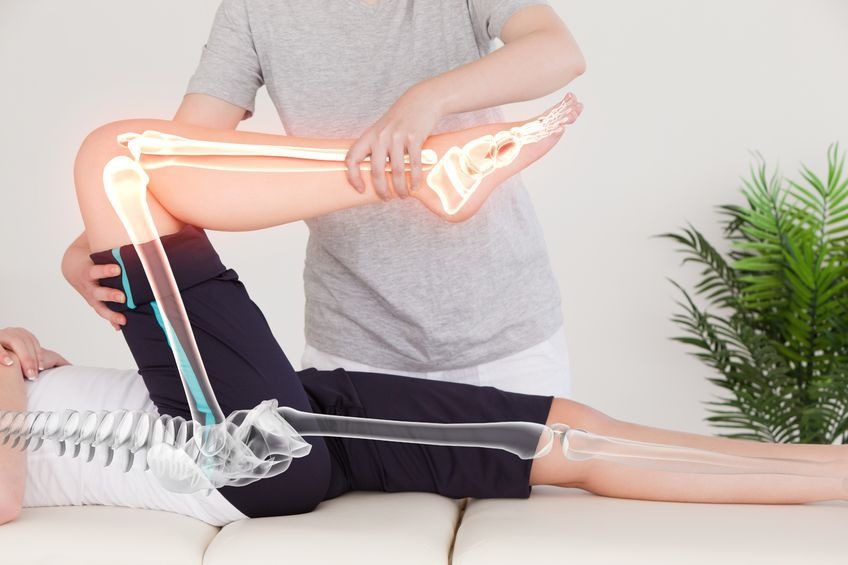
- Pain relief modalities such as heat or cryotherapy
- Postural correction and ergonomic advice
- Neural mobilization (sciatic nerve glides)
- Gentle lumbar mobility and stretching exercises
- Core strengthening and lumbar stabilization exercises
- Pelvic tilt and McKenzie extension exercises
- Gradual functional training to restore normal activities
A structured physiotherapy program helps minimize nerve compression, progress mobility, and prevent repetition.
Investigation
- Clinical examination: Straight leg raise (SLR) test, neurological assessment
- X-ray: To rule out bony abnormalities
- MRI: Gold standard for identifying disc herniation and nerve compression
- CT scan: Used when MRI is contraindicated
Complications
- Chronic lower back and leg pain
- Persistent numbness or tingling in the leg or foot
- Muscle weakness and reduced limb strength
- Difficulty in walking or an altered gait pattern
- Reduced spinal mobility and flexibility
- Loss of balance and coordination
- Decreased ability to perform daily activities
Conclusion
Sciatica is a debilitating condition that can severely affect quality of life if neglected. Early diagnosis, lifestyle modification, and targeted physiotherapy play a vital role in pain relief, functional recovery, and long-term prevention. With proper management, most individuals can return to normal activities without surgical intervention.
Q1. What is sciatica?
A. Sciatica is nerve pain caused by irritation or compression of the sciatic nerve, resulting in pain that radiates from the lower back to the leg.
Q2. What are the common symptoms of sciatica?
A. Symptoms include lower back pain, leg pain, tingling, numbness, muscle weakness, and pain that worsens with sitting or movement.
Q3. How is sciatica managed effectively?
A. Sciatica is managed through physiotherapy, exercise, pain relief techniques, posture correction, and lifestyle modifications to reduce nerve compression.