
Introduction
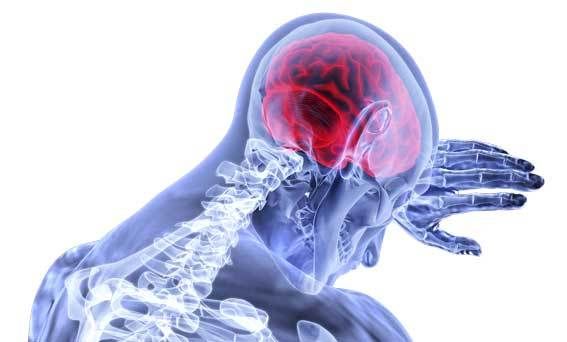
Tabes Dorsalis is a late manifestation of untreated syphilis affecting the nervous system. It primarily involves degeneration of the dorsal columns of the spinal cord, leading to sensory deficits and impaired coordination. Though rare today, it remains clinically remarkable in neurological and rehabilitation settings.
Definition
Tabes Dorsalis is a form of neurosyphilis characterized by progressive degeneration of the posterior (dorsal) columns and dorsal roots of the spinal cord, resulting in loss of proprioception, vibration sense, and deep sensation.
Clinical Features
- Degeneration of the dorsal columns leading to sensory impairment
- Marked coordination difficulties (sensory ataxia)
- Decreased or absent deep tendon reflexes
- Progressive nature with worsening functional ability
Signs and Symptoms
- Loss of proprioception and vibration sense
- Ataxic, high-stepping (stamping) gait
- Bladder dysfunction (urinary retention or incontinence)
- Positive Romberg’s sign
- Lightning-like sharp pains in limbs
- Decreased muscle tone and joint instability
Complication
- Severe gait instability and frequent falls
- Joint degeneration (Charcot joints)
- Chronic neuropathic pain
- Functional dependence in daily activities
- Urinary tract infections
- Psychological issues such as anxiety and depression
Risk Factors
- Late-stage (tertiary) syphilis infection
- Lack of early diagnosis and antibiotic therapy
- High-risk sexual behavior (multiple partners, unprotected sex)
- HIV infection or an immunocompromised state
- Poor access to healthcare services
- Low awareness about sexually transmitted infections (STIs)
- History of previous sexually transmitted diseases (STDs)
- Substance abuse (associated with risky behaviors)
- Socioeconomic factors affecting timely treatment and follow-up
Physiotherapy Management
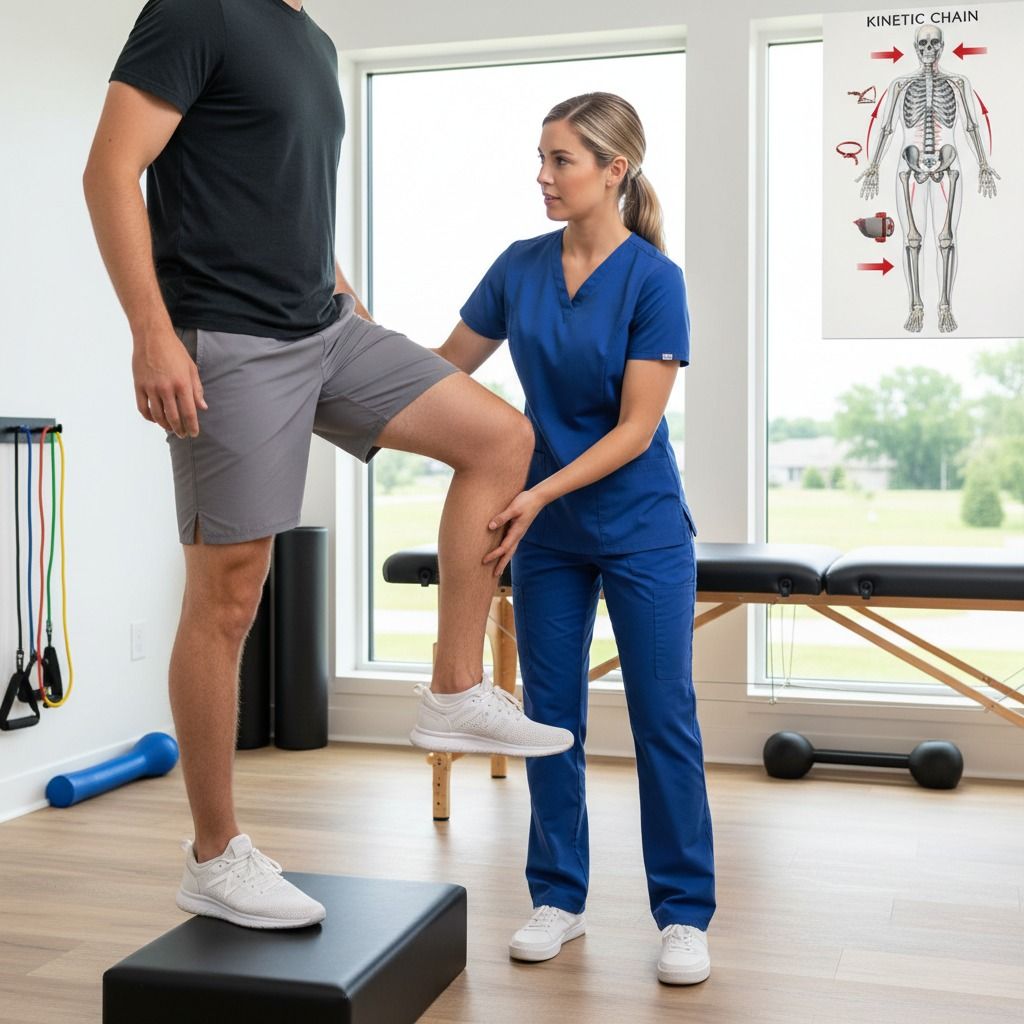
- Balance and Coordination Training: Improve stability using proprioceptive exercises
- Strengthening Exercises: Maintain muscle strength and joint support
- Frenkel’s Exercises: Enhance coordination and controlled limb movements
- Postural Training: Correct abnormal posture and decrease fall risk
- Sensory Re-education: Utilize visual and tactile cues to compensate for sensory loss
- Gait Training: Use of assistive devices and visual feedback to enhance walking safety
- Fall Prevention Strategies: Home modifications and patient education
- Functional Training: Improve independence in activities of daily living (ADLs)
Conclusion
Tabes Dorsalis is a progressive neurological disorder with remarkable sensory and functional impairment. Early diagnosis and appropriate antibiotic treatment are crucial, while physiotherapy plays a importent role in improving coordination, mobility, and overall quality of life.
Q: What is Tabes Dorsalis?
A: It is a form of neurosyphilis causing degeneration of the dorsal columns, leading to sensory loss and coordination problems.
Q: What is a characteristic symptom of Tabes Dorsalis?
A: Ataxic, high-stepping (stamping) gait due to loss of proprioception.
Q: What is a key physiotherapy approach in Tabes Dorsalis?
A: Balance and coordination training, including Frenkel’s exercises, to improve stability and movement control.