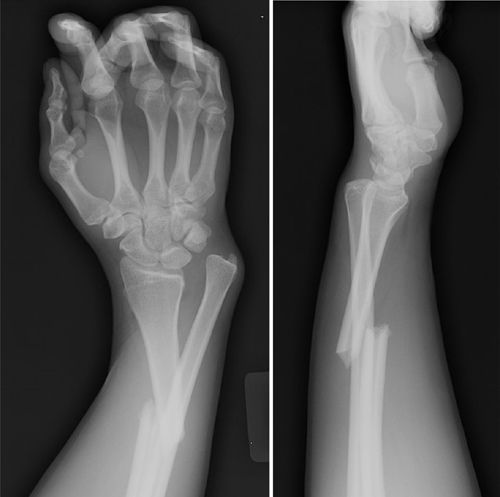
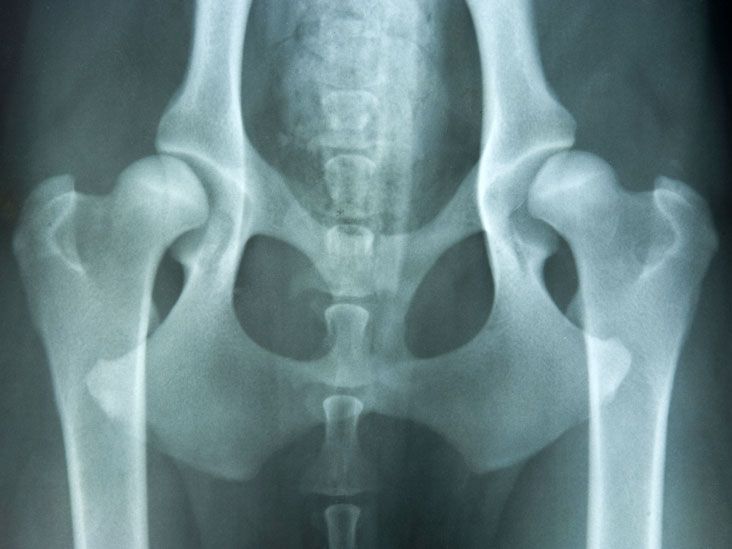
explained:

 Hernia Explained: Clinical Features and Care Approach
Hernia

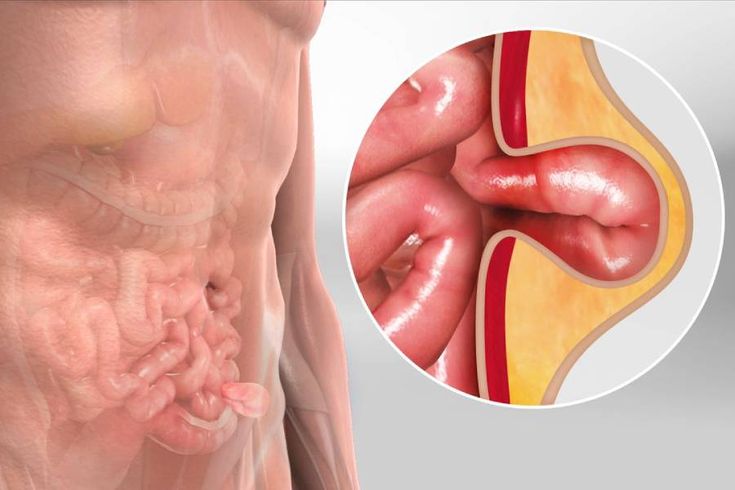
Introduction Hernia is a common medical condition in which an internal organ or tissue protrudes through a weakened area of muscle or connective tissue. It most frequently affects the abdominal region and may cause discomfort, functional limitations, and complications if left untreated. Early diagnosis and physiotherapy play a vital role in symptom management and recovery. …

 Hernia Explained: Clinical Features and Care Approach Read More »
Dementia Explained: From Memory Loss to Functional Decline

Dementia

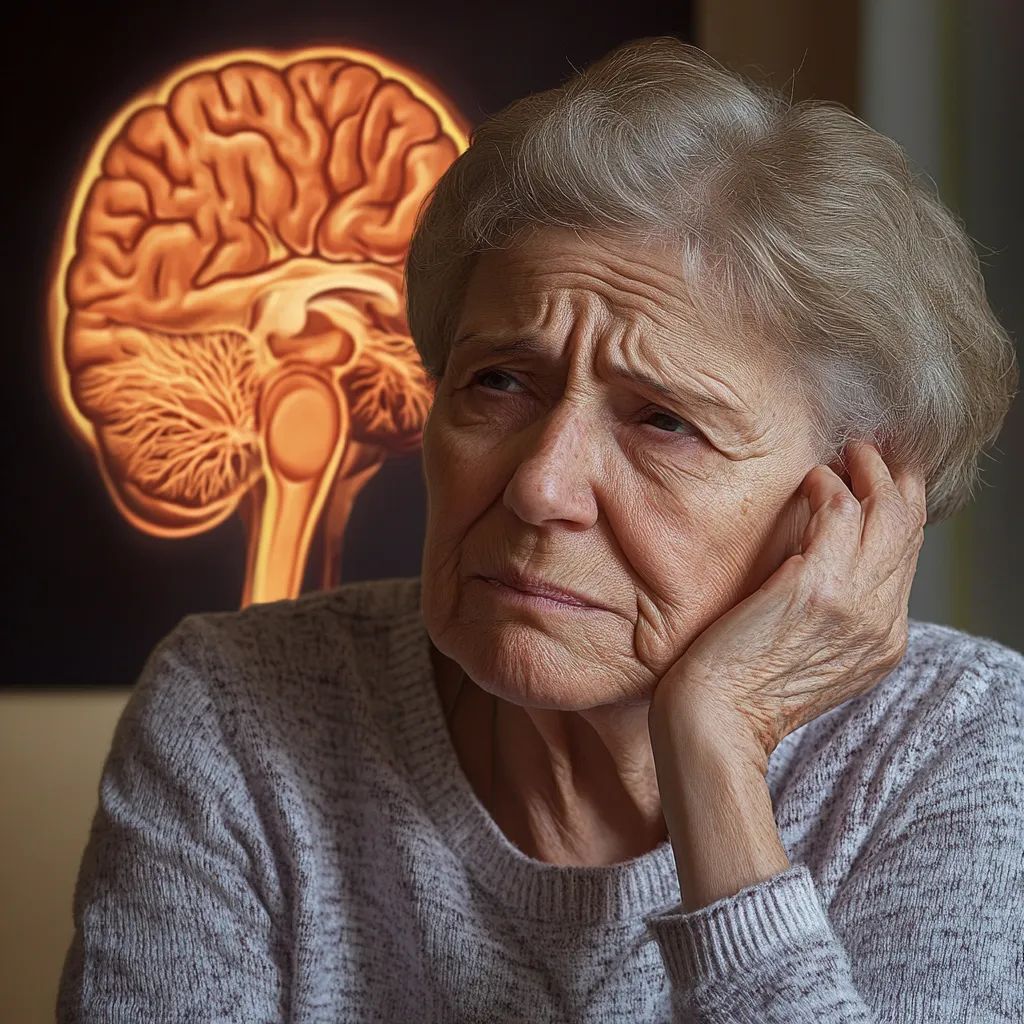
Introduction Dementia is a progressive neurological condition that affects memory, thinking, behavior, and the ability to perform daily activities. It is more common in older adults but is not a normal part of aging. Early identification and supportive rehabilitation play an significant role in improving quality of life and functional independence. Definition Dementia is a …

Dementia Explained: From Memory Loss to Functional Decline Read More »

Developmental Dysplasia of the Hip Explained: Diagnosis, Clinical Features, and Rehabilitation Management

Developmental Dysplasia of the Hip

Introduction Developmental Dysplasia of the Hip (DDH) is one of the most common pediatric orthopedic conditions. Early diagnosis is crucial, as timely treatment helps prevent long-term complications such as gait abnormalities and early osteoarthritis. A structured approach to assessment and rehabilitation is essential for optimal outcomes. Definition The condition is formerly known as congenital dislocation …

Developmental Dysplasia of the Hip Explained: Diagnosis, Clinical Features, and Rehabilitation Management Read More »