Features

Progressive Supranuclear Palsy: Clinical Features and Rehabilitation Approach
Progressive Supranuclear Palsy

Introduction Progressive Supranuclear Palsy (PSP) is a rare, progressive neurodegenerative disorder that primarily affects movement, balance, vision, and cognition. It commonly presents in late adulthood and often mimics Parkinson’s disease in early stages, leading to delayed diagnosis. Early rehabilitation plays a crucial role in maintaining function and safety. Definition Progressive Supranuclear Palsy is a chronic …

Progressive Supranuclear Palsy: Clinical Features and Rehabilitation Approach Read More »
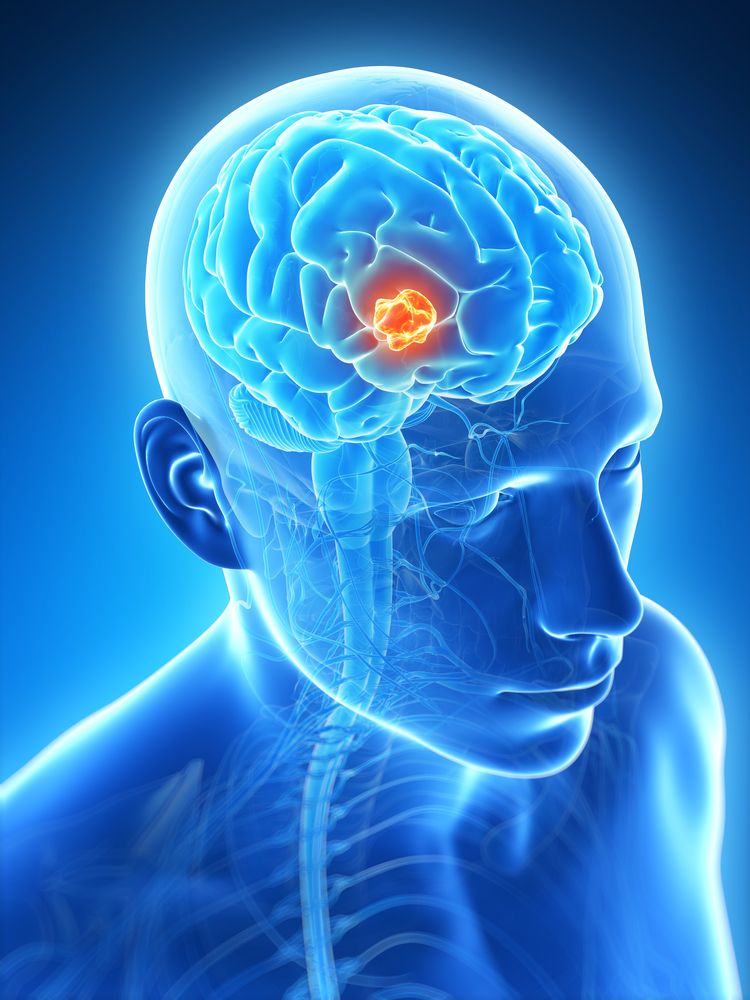
Brain Tumors: Causes, Clinical Features, and Rehabilitation Approach

Brain Tumors

Introduction Brain Tumors are abnormal growths of cells within the brain or surrounding structures. They can remarkably affect neurological function, physical abilities, cognition, and quality of life. Early diagnosis, medical management, and rehabilitation—especially physiotherapy—play a crucial role in improving functional outcomes and independence. Definition A brain tumor is a mass or growth of abnormal cells …

Brain Tumors: Causes, Clinical Features, and Rehabilitation Approach Read More »
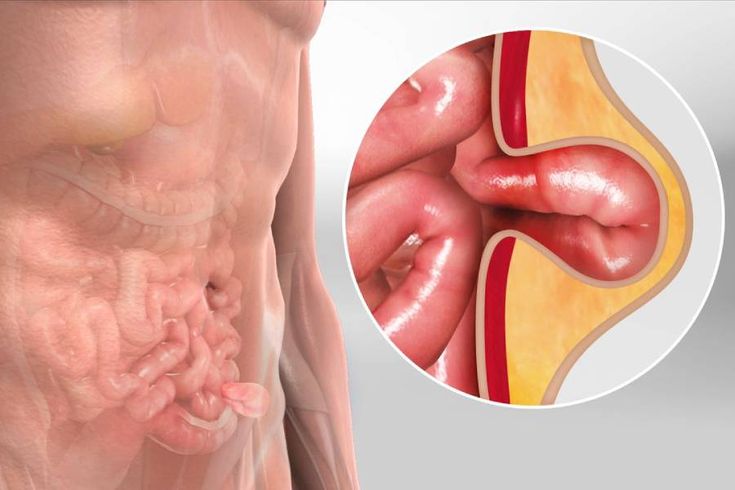
 Hernia Explained: Clinical Features and Care Approach

Hernia

Introduction Hernia is a common medical condition in which an internal organ or tissue protrudes through a weakened area of muscle or connective tissue. It most frequently affects the abdominal region and may cause discomfort, functional limitations, and complications if left untreated. Early diagnosis and physiotherapy play a vital role in symptom management and recovery. …

 Hernia Explained: Clinical Features and Care Approach Read More »

The Paralysed Foot: Clinical Features and Comprehensive Rehabilitation Guide

The Paralysed Foot

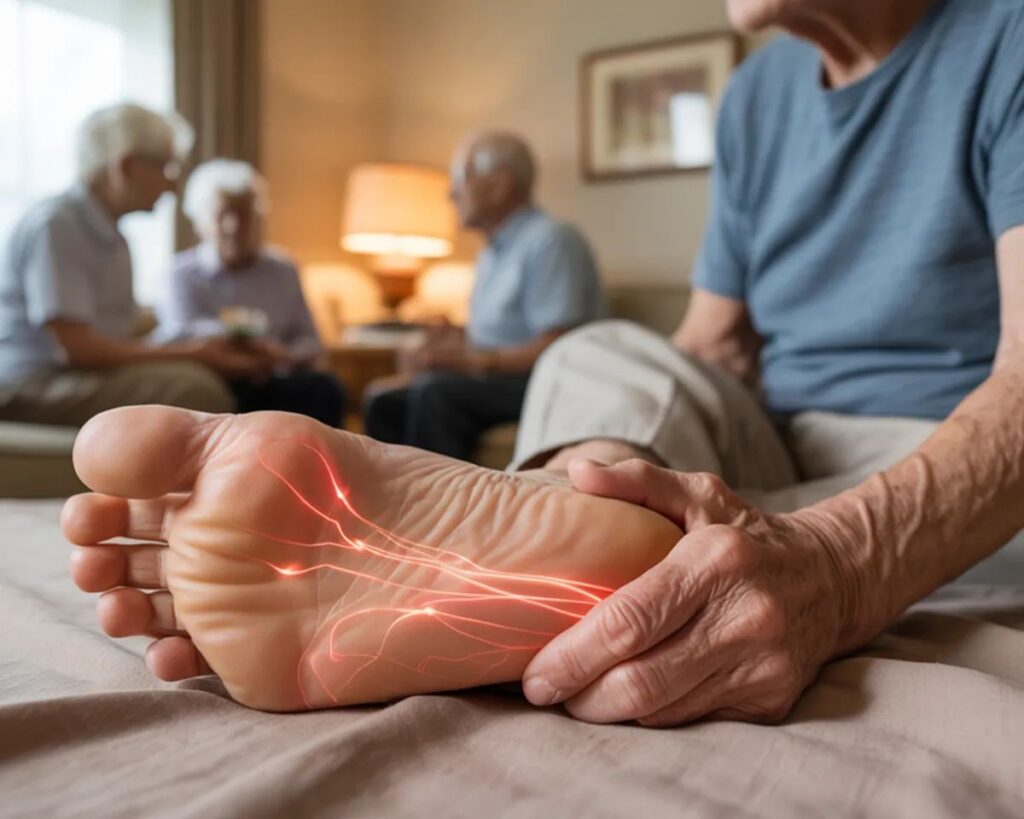
Introduction The Paralysed Foot is a disabling condition where weakness or loss of movement affects the foot and ankle. This leads to difficulty walking, impaired balance, and long-term deformities if untreated. Early diagnosis and physiotherapy play a crucial role in restoring function and preventing complications. ​ Definition The paralysed foot refers to the partial or …

The Paralysed Foot: Clinical Features and Comprehensive Rehabilitation Guide Read More »

Hallux Valgus: Clinical Features and Physiotherapy Solutions

Hallux Valgus

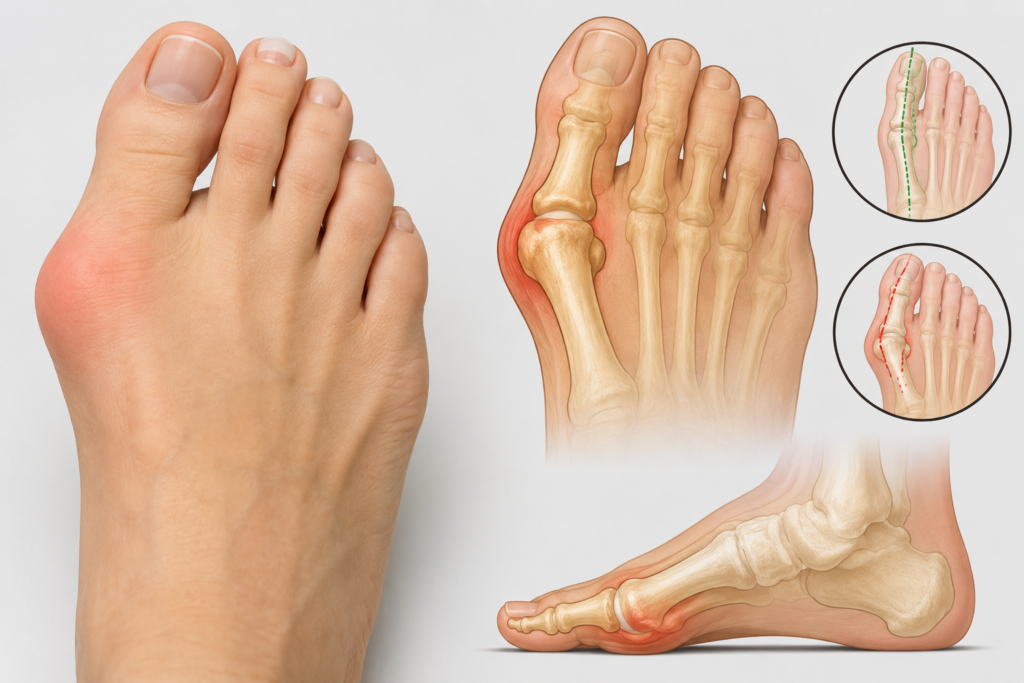
Introduction Hallux valgus, commonly known as a bunion, is a progressive foot deformity affecting the big toe joint. It often leads to pain, difficulty walking, and reduced quality of life. Understanding the condition and its management is crucial for preventing long-term complications. ​Definition Hallux valgus is the commonest of the foot deformities and probably of …

Hallux Valgus: Clinical Features and Physiotherapy Solutions Read More »

Developmental Dysplasia of the Hip Explained: Diagnosis, Clinical Features, and Rehabilitation Management

Developmental Dysplasia of the Hip

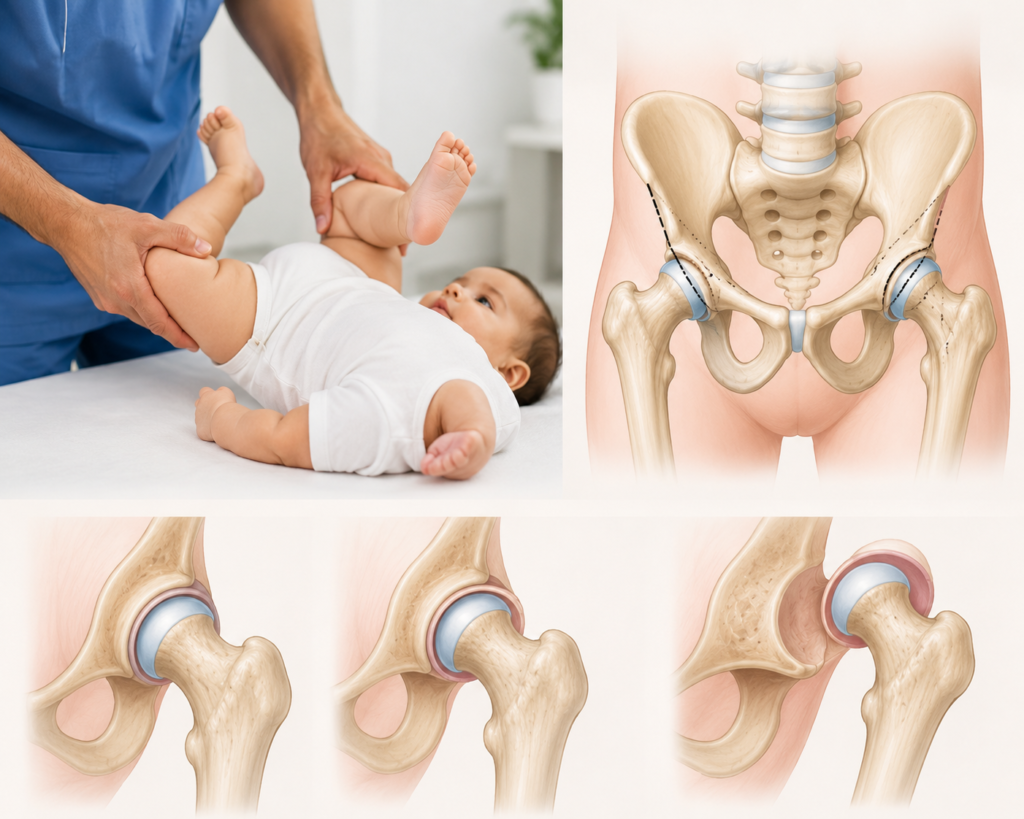
Introduction Developmental Dysplasia of the Hip (DDH) is one of the most common pediatric orthopedic conditions. Early diagnosis is crucial, as timely treatment helps prevent long-term complications such as gait abnormalities and early osteoarthritis. A structured approach to assessment and rehabilitation is essential for optimal outcomes. Definition The condition is formerly known as congenital dislocation …

Developmental Dysplasia of the Hip Explained: Diagnosis, Clinical Features, and Rehabilitation Management Read More »

Down’s Syndrome

down's syndrome

Definition  Of Down’s Syndrome Down’s Syndrome is a genetic disorder caused by an extra full or partial copy of chromosome 21. According to the World Health Organization (WHO), this condition results in physical and intellectual developmental delays. Individuals with Down Syndrome often exhibit distinct facial features, mild to moderate intellectual disability, and are at higher risk …

Down’s Syndrome Read More »