December 2025

Hallux Valgus: Clinical Features and Physiotherapy Solutions
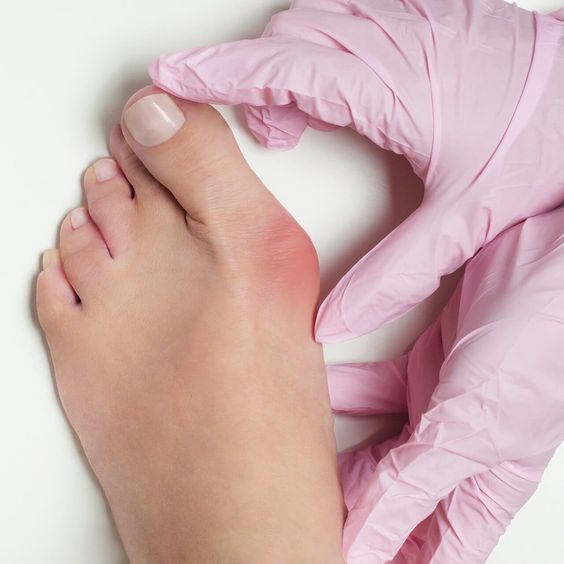
Hallux Valgus

Introduction Hallux valgus, commonly known as a bunion, is a progressive foot deformity affecting the big toe joint. It often leads to pain, difficulty walking, and reduced quality of life. Understanding the condition and its management is crucial for preventing long-term complications. ​Definition Hallux valgus is the commonest of the foot deformities and probably of …

Hallux Valgus: Clinical Features and Physiotherapy Solutions Read More »
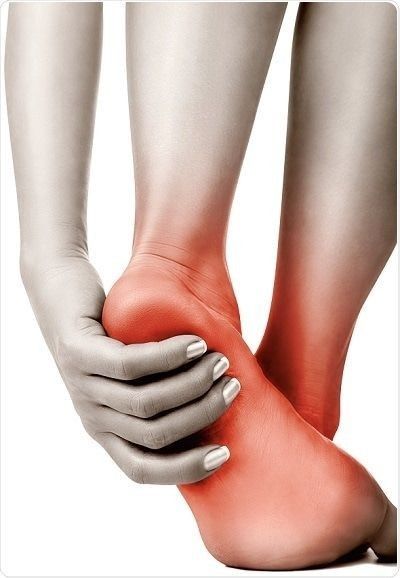
Plantar Fasciitis

Plantar Fasciitis

Definition: Plantar Fasciitis is defined as the inflammation or degeneration of the plantar fascia, a thick band of tissue that runs along the bottom of the foot, connecting the heel bone to the toes. This tissue acts as a natural shock absorber and supports the arch of the foot. Causes: The primary cause of plantar …

Plantar Fasciitis Read More »

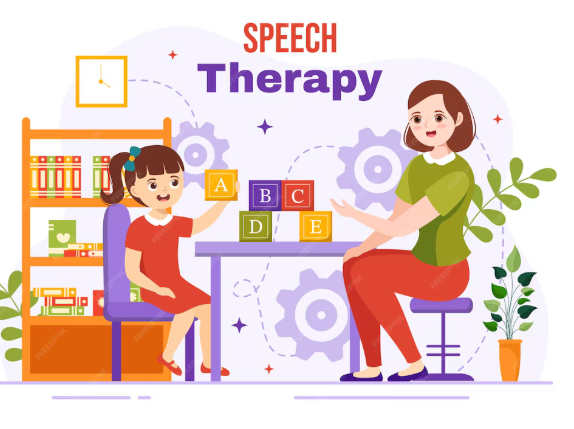
Guide to Speech Milestones (0-5 Years) and When to Intervene

speech

Speech and language development in early childhood generally follows a predictable path, but every child moves at their own pace. Understanding these speech milestones from birth to five years helps parents track progress, identify red flags early, and seek timely support. Research consistently shows that early identification and therapy lead to significantly better communication outcomes, …

Guide to Speech Milestones (0-5 Years) and When to Intervene Read More »

Golden Goodness: Nutritional Power of Ghee

Ghee

Ghee—often celebrated as “liquid gold”—has been a vital part of Indian nutrition for generations. Its rich aroma, smooth texture, and impressive nutrient profile make it much more than a simple cooking fat. Today, science supports what Ayurveda has said for centuries: it offers remarkable health benefits when consumed in moderation. Key Nutritional Strengths of Ghee …

Golden Goodness: Nutritional Power of Ghee Read More »

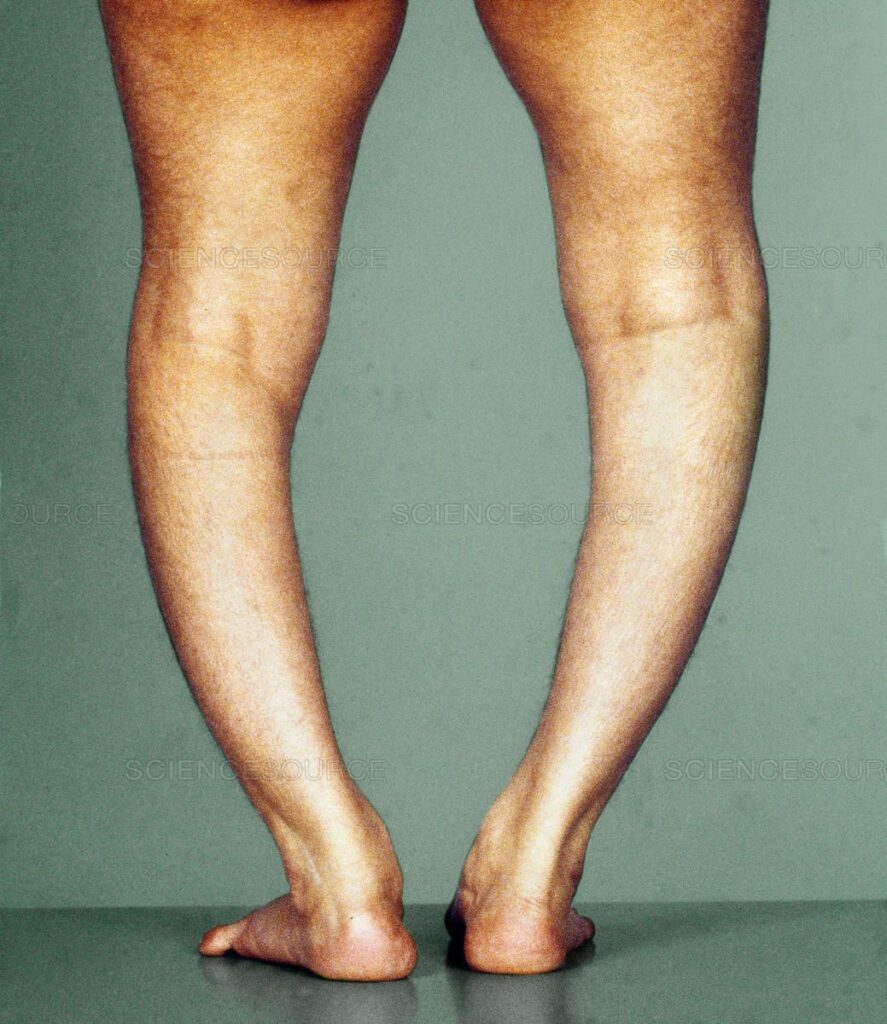
Why Children Develop Bow Legs and How It Can Be Treated

Bow Legs

Introduction Bow legs in children, medically known as genu varum, are a common condition often seen in early childhood. While it is typically a normal part of growth, persistent or severe bowing may indicate an underlying pathology that requires timely evaluation. Early identification and proper physiotherapy intervention help ensure healthy leg alignment and prevent future …

Why Children Develop Bow Legs and How It Can Be Treated Read More »

Trochanteric Bursitis: Causes, Symptoms & Physiotherapy Management

Trochanteric Bursitis

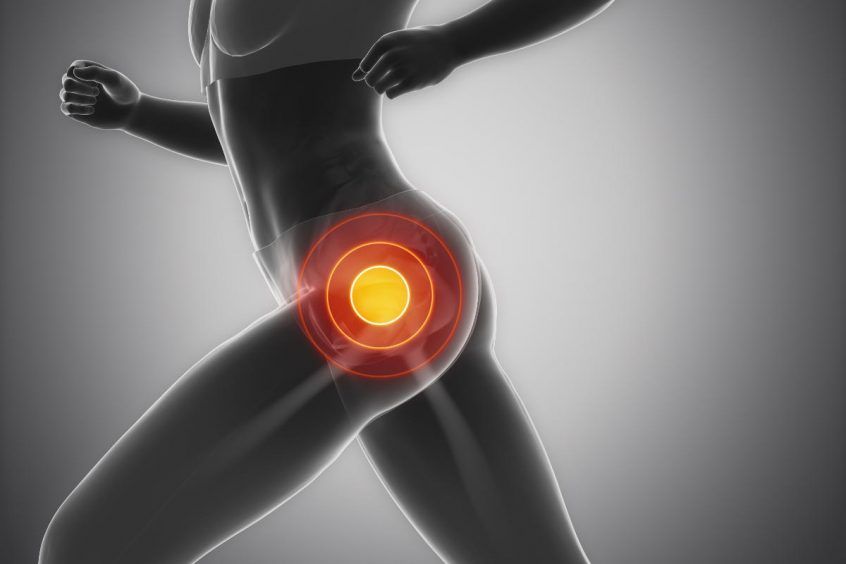
Introduction Trochanteric Bursitis is a common cause of lateral hip pain, especially in adults and older individuals. It affects mobility, sleep, and daily activities due to inflammation of the bursae around the greater trochanter. Early identification and Correct physiotherapy intervention significantly decreases pain and stops chronic disability. Definition Trochanteric Bursitis is the inflammation of the …

Trochanteric Bursitis: Causes, Symptoms & Physiotherapy Management Read More »

Developmental Dysplasia of the Hip Explained: Diagnosis, Clinical Features, and Rehabilitation Management

Developmental Dysplasia of the Hip

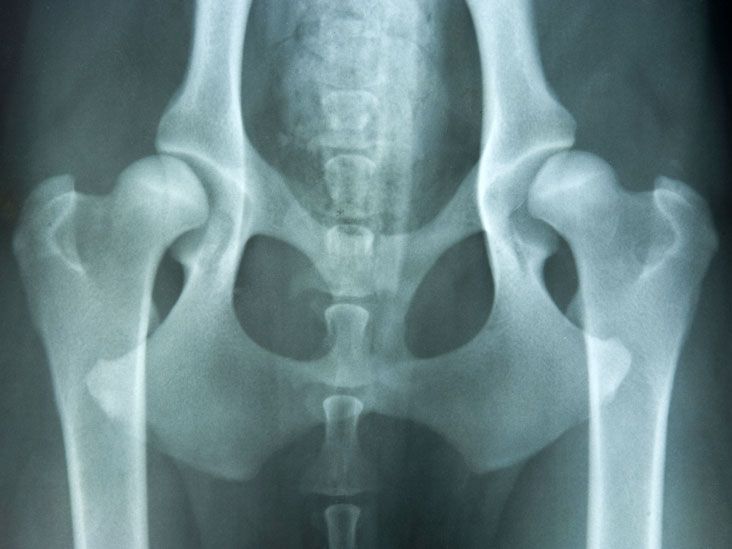
Introduction Developmental Dysplasia of the Hip (DDH) is one of the most common pediatric orthopedic conditions. Early diagnosis is crucial, as timely treatment helps prevent long-term complications such as gait abnormalities and early osteoarthritis. A structured approach to assessment and rehabilitation is essential for optimal outcomes. Definition The condition is formerly known as congenital dislocation …

Developmental Dysplasia of the Hip Explained: Diagnosis, Clinical Features, and Rehabilitation Management Read More »