Introduction
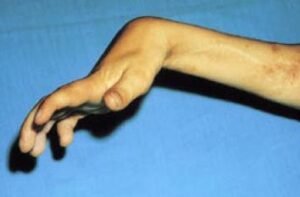
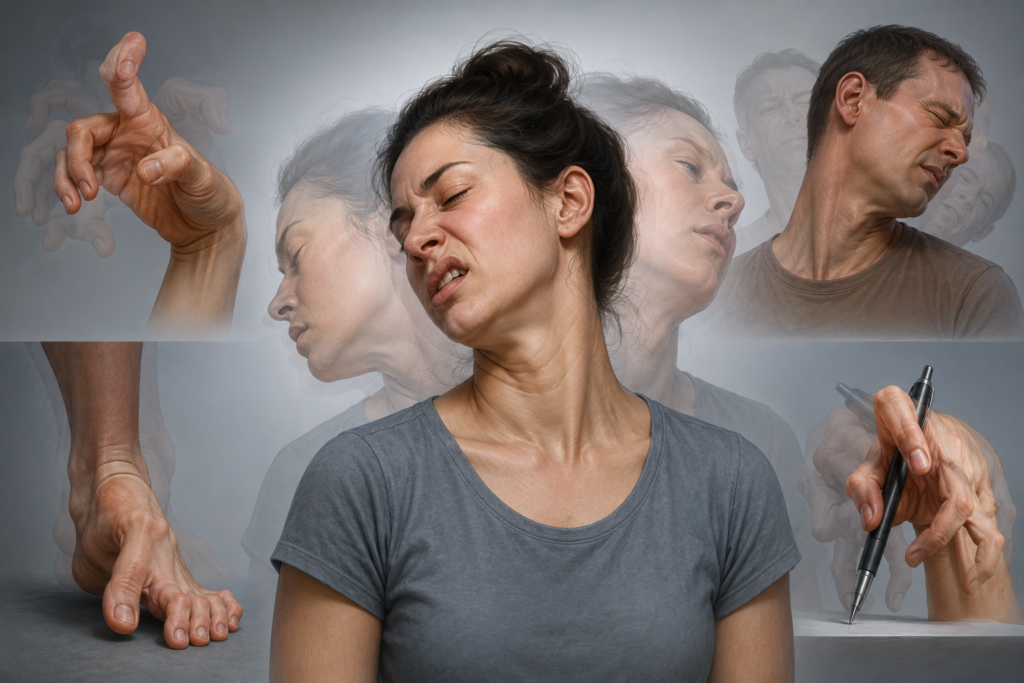
Dystonia is a chronic neurological movement disorder characterized by involuntary muscle contractions that cause abnormal movements and postures. These movements can be painful, repetitive, and disabling, remarkably affecting daily activities and quality of life. Early diagnosis and rehabilitation play a crucial role in symptom management.
Definition
Dystonia is defined as a neurological condition in which sustained or intermittent muscle contractions lead to twisting movements, abnormal postures, or both. It may affect a single body part, multiple regions, or the entire body.
Clinical Features
- Involuntary muscle contractions
- Sustained or intermittent postures
- Abnormal repetitive movements
- Task-specific symptoms
- Variable severity and progression
- Symptoms worsen with stress or voluntary movement
Signs and Symptoms
- Muscle spasms and stiffness
- Abnormal neck posture (cervical dystonia)
- Twisting or jerking movements
- eye blinking
- Speech difficulties due to oromandibular involvement
- Decreased functional ability in daily tasks
- Pain and muscle fatigue
- Poor coordination and postural control
Complications:
- Chronic Pain: Persistent muscle contractions can cause continuous pain and discomfort.
- Joint Deformities: Long-term abnormal postures may lead to joint contractures and structural deformities.
- Functional Disability: Difficulty performing daily activities such as writing, walking, or speaking.
- Muscle Fatigue: Repeated muscle contractions can cause severe fatigue and weakness.
- Postural Instability: Increased risk of balance problems and falls.
- Speech and Swallowing Problems: Oromandibular dystonia may affect communication and eating.
- Psychological Impact: Anxiety, depression, and social withdrawal due to visible abnormal movements.
- Reduced Quality of Life: Persistent symptoms can significantly affect independence and overall well-being.

Physiotherapy Management
Physiotherapy focuses on decreasing symptoms, improving movement control, and enhancing functional independence:
- Stretching exercises to decrease muscle tightness
- Strengthening of antagonist muscle groups
- Relaxation techniques and breathing exercises
- Postural re-education and alignment training
- Functional task-oriented activities
- Sensory trick training
- Balance and coordination exercises
- Pain management using modalities when required
- Patient education and ergonomic advice
A multidisciplinary approach, including neurologists and occupational therapists, yields the best outcomes.
Conclusion
Dystonia is a complex neurological disorder with no definitive cure, but symptoms can be effectively managed. Early diagnosis combined with individualized physiotherapy significantly improves mobility, posture, pain control, and quality of life. Consistent rehabilitation remains essential for long-term functional maintenance.
What is dystonia?
Dystonia is a neurological movement disorder where involuntary muscle contractions cause twisting movements and abnormal postures.
What are common symptoms of dystonia?
Common symptoms include muscle spasms, abnormal neck posture, repetitive movements, eye blinking, pain, and difficulty performing daily activities.
How does physiotherapy help in dystonia?
Physiotherapy helps through stretching, strengthening exercises, postural training, balance exercises, and relaxation techniques to improve movement and reduce symptoms.
Need Personalized Guidance for Physiotherapy?
Our senior certified therapists at Aaziban Care Center provide customized 1-on-1 evaluation and treatment plans at our care centers.