Introduction
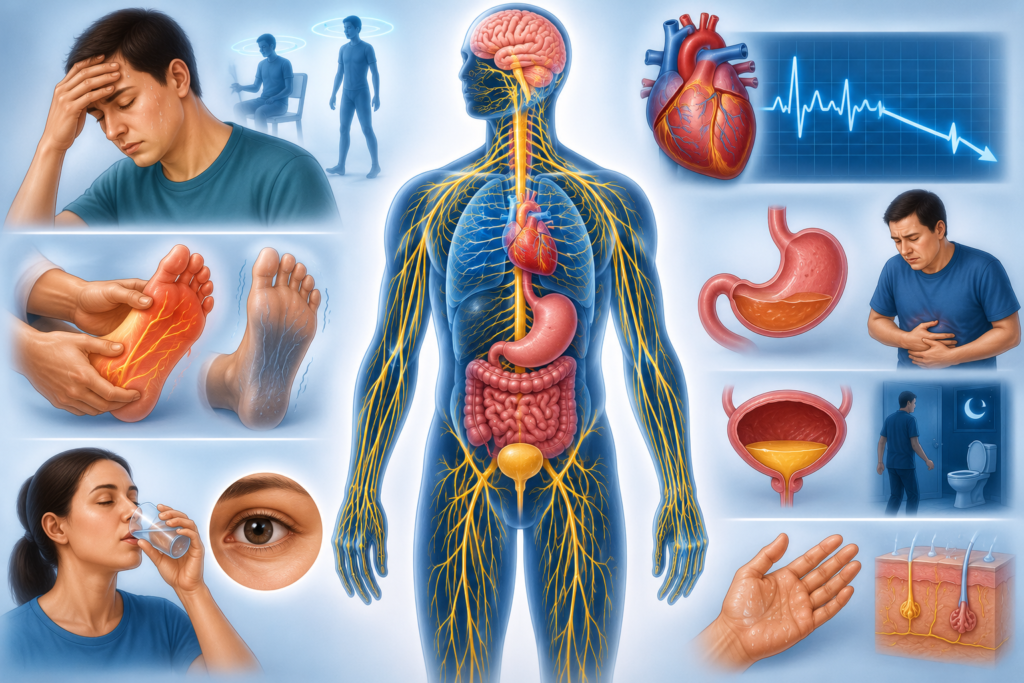
Autonomic Neuropathy is a disorder affecting the autonomic nervous system (ANS), which controls involuntary body functions such as heart rate, blood pressure, digestion, and temperature regulation. Damage to these nerves can remarkably impact multiple organ systems and decreased quality of life. Early diagnosis and appropriate management are essential to prevent serious complications.
Definition
Autonomic neuropathy refers to a group of conditions resulting from damage to the autonomic nerves, leading to dysfunction of involuntary physiological processes. It may occur as an isolated condition or as part of a generalized peripheral neuropathy.
Etiology
The causes of autonomic neuropathy are diverse and include:
- Diabetes mellitus (the most common cause)
- Chronic alcohol abuse
- Neurodegenerative diseases (e.g., Parkinson’s disease)
- Autoimmune disorders (e.g., Guillain-Barré syndrome)
- Infections (e.g., HIV, leprosy)
- Vitamin deficiencies (especially B12 deficiency)
- Certain medications or chemotherapy
- Genetic or hereditary neuropathies
Clinical Features
The symptoms vary depending on the organ system involved:
- Cardiovascular: Orthostatic hypotension, dizziness, fainting
- Gastrointestinal: Constipation, diarrhea, gastroparesis
- Sudomotor: Decreased or excessive sweating
- Genitourinary: Urinary retention, incontinence, erectile dysfunction
- Pupillary changes: Blurred vision, poor light adaptation
- General: Fatigue, exercise intolerance
Complications
If untreated, autonomic neuropathy may lead to:
- Severe hypotension and risk of falls
- Malnutrition due to digestive dysfunction
- Recurrent urinary tract infections
- Sexual dysfunction and psychological distress
- Heat intolerance and impaired thermoregulation
- Increased morbidity and decreased quality of life
Investigation
Diagnosis involves a combination of clinical assessment and specialized tests:
- Blood tests (glucose levels, vitamin deficiencies)
- Autonomic function tests (heart rate variability, tilt table test)
- Nerve conduction studies
- Gastrointestinal motility studies
- Urinalysis and bladder function tests
- Imaging studies, when required

Physiotherapy Management
Physiotherapy focuses on improving functional capacity and managing symptoms:
- Aerobic exercises: Improve cardiovascular stability and endurance
- Breathing exercises: Enhance autonomic regulation
- Postural training: Prevent orthostatic hypotension
- Balance and coordination training: Decreased fall risk
- Pelvic floor exercises: Improve bladder control
- Patient education: Lifestyle modification, hydration, and safe mobility
- Gradual conditioning programs: Increase tolerance to physical activity
A multidisciplinary approach ensures comprehensive care and better outcomes.
Conclusion
Autonomic Neuropathy is a complex condition affecting multiple body systems. Early identification, proper investigation, and targeted rehabilitation are crucial for effective management. Although it may not always be reversible, appropriate physiotherapy and medical care can significantly improve functional independence and quality of life.
Q: What is autonomic neuropathy?
A: It is a condition where damage to autonomic nerves affects involuntary body functions like heart rate and digestion.
Q: What is the most common cause of autonomic neuropathy?
A: Diabetes mellitus is the most common cause.
Q: What is the role of physiotherapy in autonomic neuropathy?
A: It improves function through exercises, postural training, balance training, and lifestyle modification.
Need Personalized Guidance for Physiotherapy?
Our senior certified therapists at Aaziban Care Center provide customized 1-on-1 evaluation and treatment plans at our care centers.