Introduction
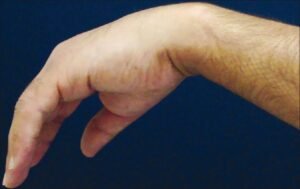
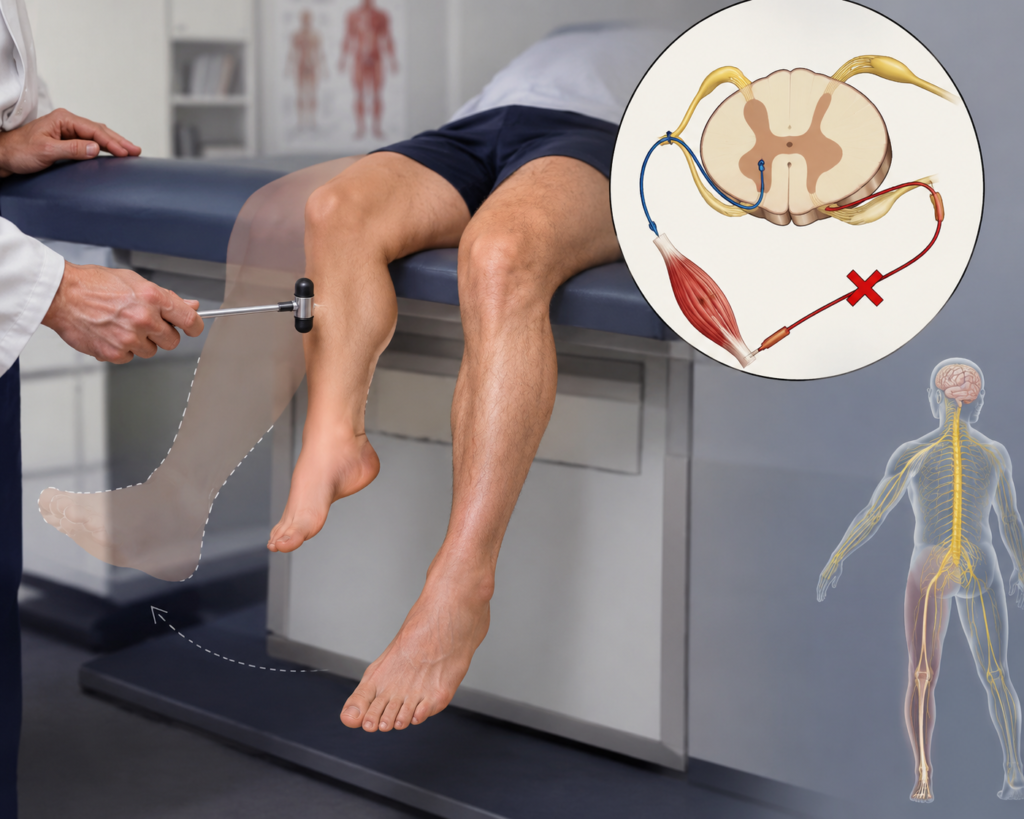
Areflexia is a neurological condition characterized by the absence of normal reflex responses. Reflexes are automatic reactions that help protect the body and assess nervous system function. Loss of these reflexes often indicates an underlying disorder affecting the peripheral nerves, spinal cord, or muscles. Early diagnosis and appropriate rehabilitation can improve function and quality of life.
Definition
Areflexia is defined as the complete absence of deep tendon reflexes during neurological examination. It usually results from disruption of the reflex arc due to damage involving sensory nerves, motor nerves, nerve roots, or the spinal cord.
Etiology
Common causes of areflexia include:
- Peripheral neuropathy (especially diabetic neuropathy)
- Guillain-Barré syndrome
- Chronic inflammatory demyelinating polyneuropathy (CIDP)
- Spinal cord injury
- Nerve root compression
- Vitamin B12 deficiency
- Motor neuron disorders
- Certain hereditary neurological diseases
- Drug-induced nerve damage and toxins
Clinical Features
- Absent or markedly decreased deep tendon reflexes
- Muscle weaknessas
- Decreased muscle tone (hypotonia)
- Difficulty maintaining balance
- Sensory disturbances such as numbness or tingling
- Gait abnormalities
- Reduced coordination during movement
Signs and Symptoms
- Loss of knee, ankle, biceps, or triceps reflexes
- Muscle fatigue
- Difficulty walking
- Frequent falls
- Limb heaviness
- Decreased sensation to touch, vibration, or temperature
- Muscle wasting in chronic cases
- Difficulty performing fine motor activities
- In severe cases, respiratory muscle weakness may occur depending on the underlying disease.
Physiotherapy Management
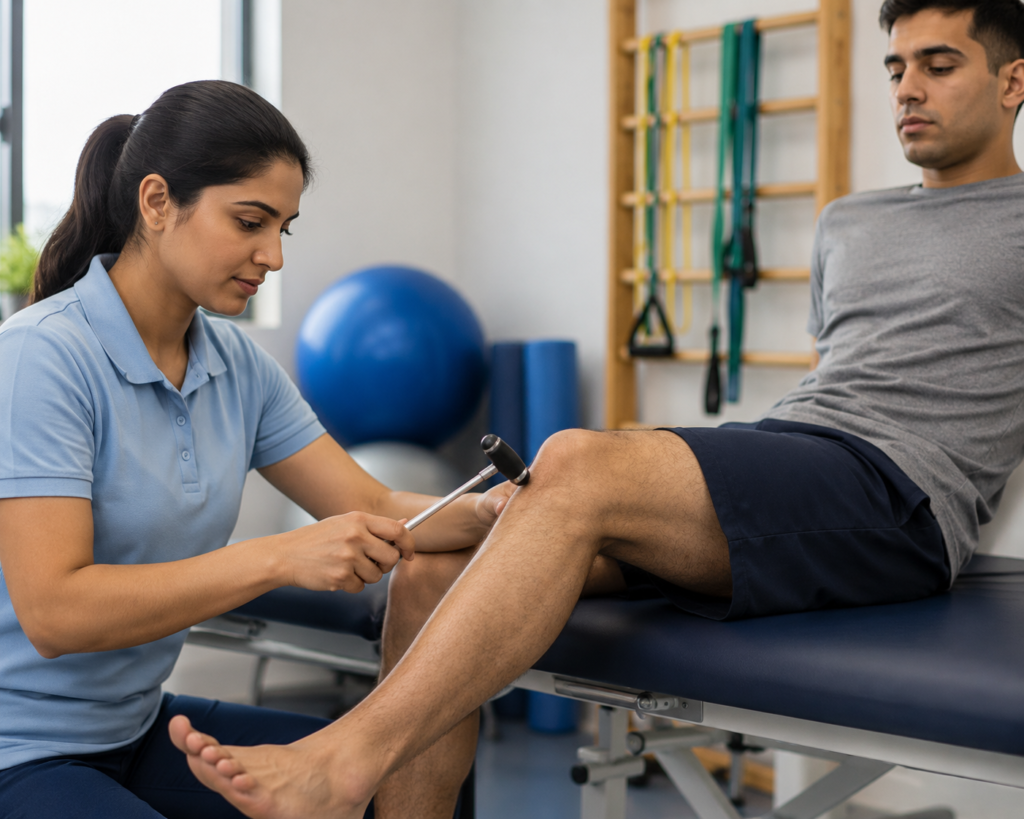
Physiotherapy plays an vital role in restoring mobility and preventing complications.
- Comprehensive neurological assessment
- Balance and coordination training
- Muscle strengthening exercises
- Gait training with assistive devices when required
- Range of motion exercises to maintain joint mobility
- Functional training for daily activities
- Postural correction and core stability exercises
- Proprioceptive and sensory re-education exercises
- Endurance and cardiovascular conditioning
- Patient and caregiver education regarding home exercise programs and fall prevention
Complication
If untreated, areflexia may lead to:
- Persistent muscle weakness
- Contractures
- Recurrent falls and injuries
- Loss of independence
- Muscle atrophy
- Chronic pain
- Reduced mobility
- Poor quality of life
- Respiratory complications in severe neurological disorders
Risk Factors
- Diabetes mellitus
- Autoimmune disorders
- Peripheral nerve diseases
- Vitamin deficiencies
- Alcohol abuse
- Spinal trauma
- Advanced age
- Family history of neurological disorders
- Exposure to neurotoxic substances
Conclusion
Areflexia is an important neurological finding that often signals an underlying disorder requiring prompt evaluation. Identifying the cause is essential for effective treatment. Physiotherapy is a key component of rehabilitation, helping improve muscle strength, balance, mobility, and functional independence while reducing the risk of long-term disability. Early intervention offers the best opportunity for recovery and improved quality of life.
Q: What is areflexia?
A: Areflexia is a neurological condition in which deep tendon reflexes are completely absent due to damage to the reflex pathway.
Q: What are the common symptoms of areflexia?
A: Common symptoms include absent reflexes, muscle weakness, numbness or tingling, difficulty walking, poor balance, and frequent falls.
Q: How does physiotherapy help in areflexia?
A: Physiotherapy improves muscle strength, balance, coordination, mobility, and functional independence while reducing the risk of falls and complications.
Need Personalized Guidance for Physiotherapy?
Our senior certified therapists at Aaziban Care Center provide customized 1-on-1 evaluation and treatment plans at our care centers.