
Introduction
Atheroma is a common vascular condition associated with the buildup of fatty deposits within arterial walls. It plays a vital role in the development of cardiovascular diseases such as coronary artery disease and stroke. Early detection and appropriate management are essential to prevent serious complications and improve overall health outcomes.
Definition
Atheroma refers to the accumulation of lipids, cholesterol, calcium, and cellular debris within the inner lining (intima) of arteries, forming plaques. These plaques can narrow or block blood vessels, deceased blood flow to vital organs.
Etiology
The development of atheroma is multifactorial. Key causes and risk factors include:
- Hyperlipidemia (high cholesterol levels)
- Hypertension (high blood pressure)
- Diabetes mellitus
- Smoking
- Sedentary lifestyle
- Obesity
- Aging and genetic predisposition
- Chronic inflammation of blood vessels
These factors contribute to endothelial damage and plaque formation.
Clinical Features
Atheroma may remain asymptomatic in early stages. As the condition progresses, symptoms depend on the affected arteries:
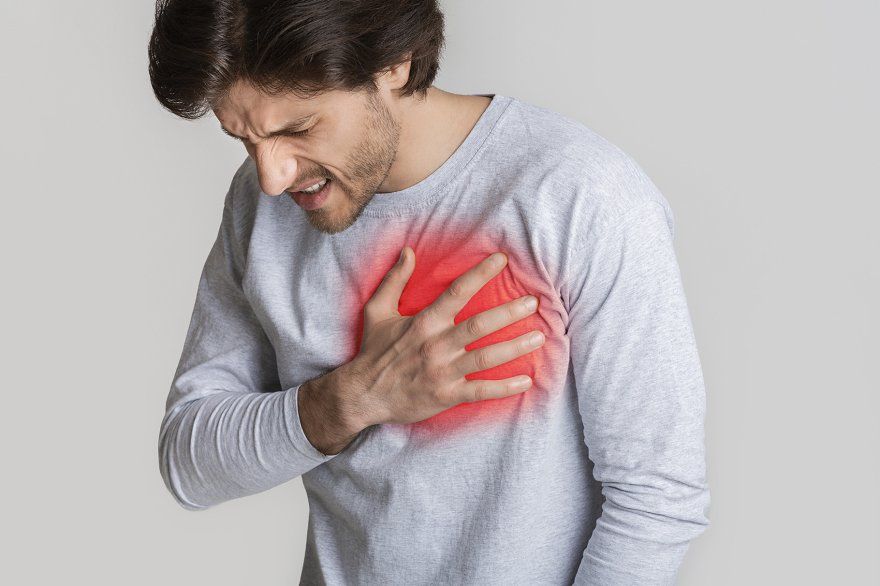
- Chest pain (angina) in coronary artery involvement
- Claudication (leg pain during walking) in peripheral artery disease
- Fatigue and decreased exercise tolerance
- Dizziness or transient ischemic attacks in carotid artery involvement
- Shortness of breath in advanced cases
Complications
If untreated, atheroma can lead to serious complications:
- Atherosclerosis and arterial narrowing
- Myocardial infarction (heart attack)
- Peripheral arterial disease
- Stroke or cerebrovascular accident
- Thrombus (blood clot) formation
- decreased organ perfusion and tissue damage
Investigation
Diagnosis of atheroma involves clinical and diagnostic evaluations:
- Blood tests: Lipid profile, glucose levels
- Doppler ultrasound: Assess blood flow and arterial narrowing
- Angiography: Visualize blockages in arteries
- CT or MRI scans: Detailed imaging of vascular structures
- Electrocardiogram (ECG): Detect cardiac involvement

Physiotherapy Management
Physiotherapy plays a supportive role in managing atheroma and preventing disease progression:
- Aerobic exercises: Improve cardiovascular fitness and circulation
- Lifestyle modification: Promote weight management and smoking cessation
- Strength training: Enhance muscle function and metabolism
- Breathing exercises: Improve oxygenation and endurance
- Patient education: Encourage a healthy diet and regular physical activity
- Cardiac rehabilitation programs: Structured exercise plans for heart patients
A multidisciplinary approach is essential for effective management.
Conclusion
Atheroma is a major contributor to cardiovascular diseases and can lead to life-threatening complications if not addressed early. Preventive strategies, lifestyle modifications, medical management, and physiotherapy interventions play a vital role in controlling disease progression and improving quality of life.
Q: What is atheroma?
A: Atheroma is the buildup of lipids, cholesterol, and debris in arterial walls forming plaques that reduce blood flow.
Q: What are common symptoms of atheroma?
A: Chest pain, leg pain during walking, fatigue, dizziness, and shortness of breath.
Q: What is the role of physiotherapy in atheroma?
A: It includes aerobic exercise, lifestyle modification, strength training, and patient education to improve cardiovascular health.