
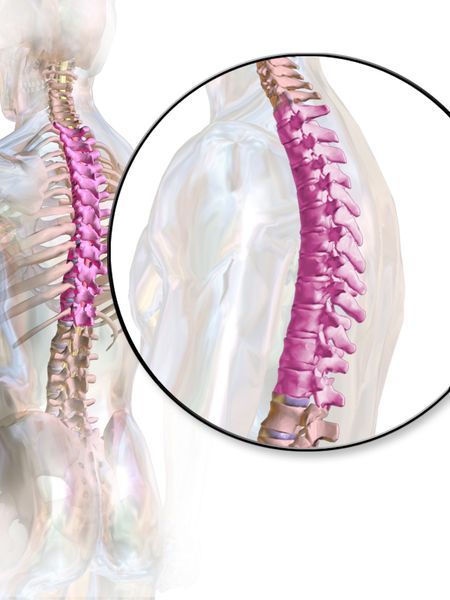
Introduction
Camptocormia is a disabling postural abnormality commonly seen in neurological and neuromuscular disorders. It remarkably affects standing and walking ability, leading to decreased freedom and social participation. Early recognition and structured rehabilitation are essential to improve functional outcomes.
Definition
Camptocormia is characterized by an abnormal, marked forward flexion of the thoracolumbar spine that appears during standing or walking and improves in the supine position. The flexion is typically greater than 45 degrees and is not due to fixed spinal deformity.
Etiology
Camptocormia has multifactorial causes, including:
- Neurodegenerative disorders: Most commonly associated with Parkinson’s disease
- Myopathies: Paraspinal muscle weakness or myofibrillar myopathy
- Dystonia and movement disorders
- Neuromuscular disorders
- Psychogenic factors (rare cases)
- Medication-related causes
Muscle imbalance, axial muscle weakness, and impaired central motor control contribute to the condition.
Clinical Features
Common signs and symptoms include:
- Marked forward bending while standing or walking
- Lower back pain
- Improvement of posture when lying down
- Decreased stride length
- Fatigue during ambulation
- Postural instability
- Reduce endurance
Severe cases may interfere with activities of daily living and increase fall risk.
Complications
If untreated, camptocormia may lead to:
- Chronic back pain
- Increased fall risk
- Respiratory compromise
- Decreased quality of life
- Functional dependence

Physiotherapy Management
Physiotherapy plays a crucial role in improving posture and mobility:
- Postural correction exercises: Promote spinal alignment
- Back extensor strengthening: Improve paraspinal muscle power
- Core stabilization training: Enhance trunk control
- Stretching exercises: Decreased hip flexor and hamstring tightness
- Breathing exercises: Support respiratory function
- Balance and gait training: Improve walking safety
- Use of orthoses: Spinal braces for selected cases
- Functional task training: Improve independence in daily activities
Conclusion
Camptocormia is a disabling yet potentially manageable postural disorder. Early diagnosis and targeted physiotherapy interventions can remarkably improve posture, decrease pain, and enhance functional mobility. A multidisciplinary approach ensures optimal long-term recovery.
What is camptocormia?
Camptocormia is a postural disorder characterized by marked forward flexion of the thoracolumbar spine during standing or walking that improves when lying down.
What are common causes of camptocormia?
Common causes include Parkinson’s disease, neuromuscular disorders, paraspinal muscle weakness, dystonia, and certain medication effects.
How does physiotherapy help in camptocormia?
Physiotherapy helps through postural correction, back extensor strengthening, core stabilization, stretching exercises, and balance training to improve posture and mobility.