
Introduction
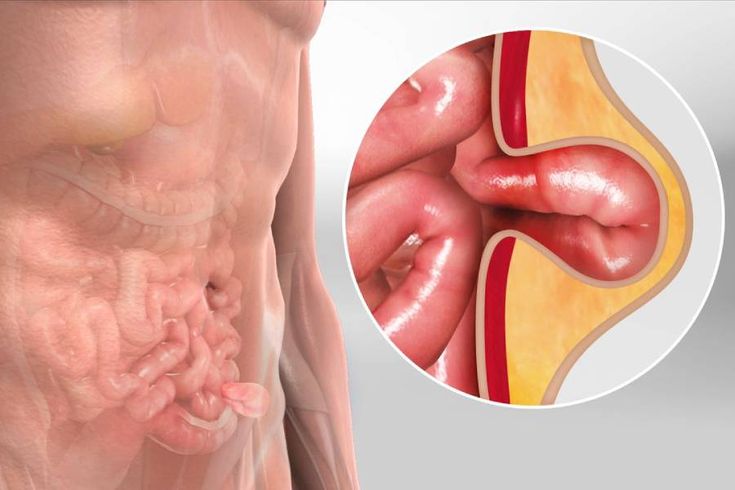
Hernia is a common medical condition in which an internal organ or tissue protrudes through a weakened area of muscle or connective tissue. It most frequently affects the abdominal region and may cause discomfort, functional limitations, and complications if left untreated. Early diagnosis and physiotherapy play a vital role in symptom management and recovery.
Definition
A hernia is defined as the abnormal protrusion of an organ or tissue through a defect or weakness in the surrounding muscle wall or fascia, commonly occurring in the abdominal or groin region.
Clinical Features
Clinical presentation varies depending on the type and severity of the hernia. Many individuals notice a visible or palpable bulge that becomes prominent during coughing, lifting, or straining. Pain or discomfort may increase with physical activity and prolonged standing. Some hernias remain asymptomatic for long periods.
Classification
Hernias are classified based on location and origin:
- Inguinal hernia – occurs in the groin region; the most common type
- Femoral hernia – below the inguinal ligament, more common in females
- Umbilical hernia – around the navel
- Incisional hernia – at the site of a previous surgical incision
- Hiatal hernia – part of the stomach protrudes through the diaphragm
- Congenital hernia – present at birth due to developmental defects
- Acquired hernia – develops later due to weakness or strain

Physiotherapy Management
Physiotherapy plays a vital role in conservative management and postoperative rehabilitation:
- Core strengthening exercises to improve abdominal support
- Pain management using gentle exercises and modalities
- Pelvic floor strengthening where indicated
- Breathing exercises to reduce excessive intra-abdominal pressure
- Postural correction and ergonomic education
- Gradual functional training and activity modification
- Education on safe lifting techniques and lifestyle modification
Physiotherapy helps improve muscle strength, prevent recurrence, and enhance functional independence.
Complications
If untreated, hernias may lead to:
- Incarceration of herniated tissue
- Intestinal obstruction
- Strangulation causing compromised blood supply
- Chronic pain and discomfort
- Decrease in physical capacity
- Recurrence after surgical repair
Conclusion
It is a common condition that can significantly impact daily activities if not managed appropriately. Early detection, proper surgical or conservative management, and structured physiotherapy rehabilitation are essential for optimal recovery. A multidisciplinary approach ensures decreased complications, improved strength, and better quality of life.
Q1. What is a hernia?
A hernia is the protrusion of an organ or tissue through a weak area of muscle or fascia, commonly in the abdomen or groin.
Q2. What are common signs of a hernia?
A visible bulge, pain or discomfort during lifting or coughing, and increased discomfort with activity or standing.
Q3. How does physiotherapy help in hernia management?
Physiotherapy strengthens core muscles, reduces pain, prevents recurrence, and supports safe recovery before or after surgery