

Introduction
Hysterectomy is one of the most commonly performed gynecological surgeries worldwide. It involves the removal of the uterus and is often recommended for conditions that remarkably affect a woman’s health and quality of life. Proper postoperative care, including physiotherapy, plays a crucial role in recovery.
Definition
It is a surgical procedure in which the uterus is partially or completely removed. Depending on the underlying condition, surrounding structures such as the cervix, ovaries, or fallopian tubes may also be removed.
Clinical Features
Women undergoing hysterectomy often present with chronic pelvic pain, abnormal uterine bleeding, menstrual irregularities, or pressure symptoms affecting bladder and bowel function. Post-surgery, patients may experience pain, fatigue, reduced mobility, and emotional changes.
Classification
It can be classified based on the extent of removal and surgical approach:
- Total Hysterectomy: Removal of the uterus and cervix
- Subtotal (Partial) Hysterectomy: Removal of the uterus while preserving the cervix
- Radical Hysterectomy: Removal of the uterus, cervix, surrounding tissues, and part of the vagina
- Abdominal Hysterectomy: Performed through an abdominal incision
- Vaginal Hysterectomy: Removal through the vaginal route
- Laparoscopic or Robotic Hysterectomy: Minimally invasive techniques
Physiotherapy Management
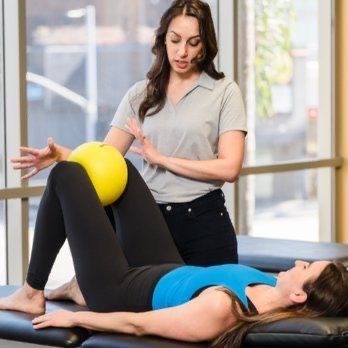
Physiotherapy is essential for restoring physical function and preventing complications:
- Breathing exercises to prevent pulmonary complications
- Pelvic floor muscle training to prevent urinary incontinence
- Early mobilisation to improve circulation and reduce hospital stay
- Core strengthening to support abdominal and pelvic stability
- Postural correction and ergonomic education
- Gentle stretching and mobility exercises
- Gradual return to functional and aerobic activities
- Education on activity modification and scar care
A structured rehabilitation program enhances recovery and long-term well-being.
Complications
Potential complications following hysterectomy include:
- Postoperative pain and infection
- Adhesions and scar-related discomfort
- Urinary incontinence or pelvic floor dysfunction
- Bowel or bladder dysfunction
- Hormonal imbalance
- Reduced physical endurance
Conclusion
It is an effective surgical intervention for various gynecological conditions. Comprehensive postoperative physiotherapy, combined with medical care, is vital for minimizing complications, restoring function, and improving quality of life. A multidisciplinary approach ensures optimal recovery and long-term health.
Q1. What is hysterectomy?
A: Hysterectomy is a surgical procedure involving the partial or complete removal of the uterus to treat gynecological conditions.
Q2. What are the common types of hysterectomy?
A: Common types include total, subtotal, radical, abdominal, vaginal, and laparoscopic or robotic hysterectomy.
Q3. Why is physiotherapy important after hysterectomy?
A: Physiotherapy helps improve mobility, strengthen pelvic floor and core muscles, prevent complications, and enhance recovery.