
Introduction
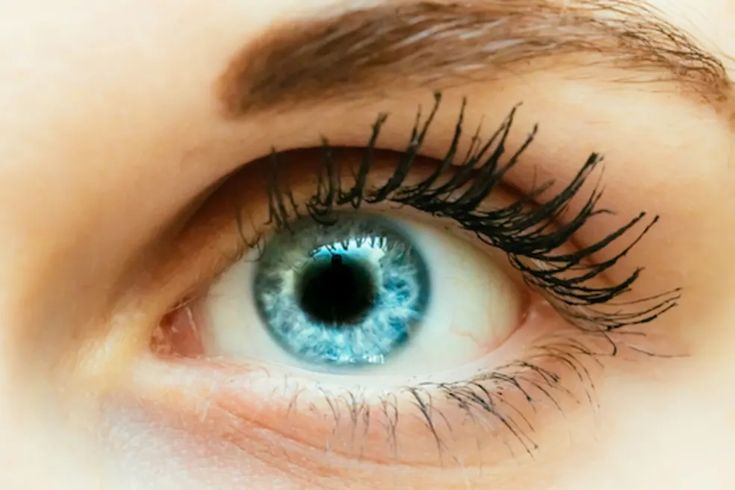
Nystagmus is a neurological and vestibular condition characterized by involuntary, rhythmic eye movements. These movements can interfere with stable vision and balance, often affecting daily activities such as reading, walking, and focusing on objects. Nystagmus may occur due to disorders of the inner ear, brainstem, or cerebellum. Early recognition and appropriate management are important to reduce symptoms and improve functional ability.
Definition
Nystagmus is defined as repetitive, uncontrolled oscillatory movement of the eyes that may occur horizontally, vertically, or rotationally. The movement usually consists of a slow drift in one direction followed by a rapid corrective movement in the opposite direction. Nystagmus may be congenital (present at birth) or acquired later in life due to neurological or vestibular disorders.
Etiology
Several conditions can cause nystagmus, including:
- Vestibular disorders affecting the inner ear
- Neurological conditions such as stroke, multiple sclerosis, or brainstem lesions
- Congenital eye or vision disorders
- Head injury or trauma
- Certain medications or alcohol intoxication
- Tumors affecting the cerebellum or vestibular pathways
These conditions disrupt the normal coordination between the eyes, brain, and vestibular system responsible for gaze stabilization.
Clinical Features
Common clinical signs and symptoms include:
- Involuntary rhythmic eye movements
- Blurred or unstable vision (oscillopsia)
- Difficulty focusing on objects
- Dizziness or vertigo
- Balance and coordination problems
- Abnormal head posture to maintain visual clarity
- Increased symptoms during fatigue or stress
Complications
If untreated, nystagmus may lead to several complications:
- Persistent visual disturbances
- Reduced visual acuity
- Impaired balance and increased fall risk
- Difficulty performing tasks requiring visual concentration
- Reduced quality of life and social participation
Physiotherapy Management
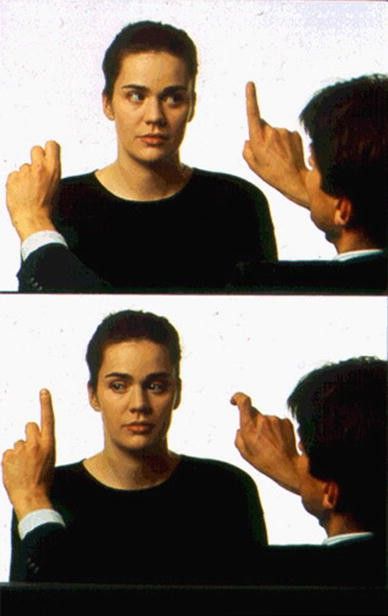
Physiotherapy plays an important role in managing symptoms and improving functional performance. Key rehabilitation strategies include
- Vestibular rehabilitation exercises to improve gaze stability
- Balance training to enhance postural control
- Gaze stabilization exercises, such as the VOR (Vestibulo-Ocular Reflex) training
- Habituation exercises to reduce dizziness
- Postural correction exercises to improve head and trunk alignment
- Functional mobility training to improve daily activity performance
- Patient education on managing symptoms and avoiding triggers
A multidisciplinary approach involving neurologists, ophthalmologists, and physiotherapists provides the best outcomes.
Conclusion
Nystagmus is a complex condition that affects vision, balance, and coordination. Although it may significantly impact daily functioning, early diagnosis and targeted rehabilitation can greatly improve symptoms and quality of life. Physiotherapy, particularly vestibular rehabilitation, plays a key role in helping individuals regain visual stability and functional independence.
What is nystagmus?
Answer: Nystagmus is a condition characterized by involuntary, repetitive eye movements that may occur horizontally, vertically, or rotationally.
What are common symptoms of nystagmus?
Answer: Symptoms include blurred vision, dizziness, balance problems, and difficulty focusing on objects.
How is nystagmus managed in rehabilitation?
Answer: Management includes vestibular rehabilitation, gaze stabilization exercises, balance training, and postural control exercises to improve visual stability and coordination.