
Six Reasons to Include Bathua in Your Winter Diet

Bathua leaves are a nutritious winter lunch, abundant in amino acids, fiber, vitamins A, B, C. Rich in iron, potassium, calcium, and phosphorus.
Bathua leaves are a nutritious winter lunch, abundant in amino acids, fiber, vitamins A, B, C. Rich in iron, potassium, calcium, and phosphorus.

For gastritis, steer clear of spicy, fried foods. Opt for low-fat, high-fiber options for easier digestion and to alleviate symptoms.

Winter’s approaching, and the chilly air is evident! Cold weather, risky eating, and reduced activity can impact gut health during this season.
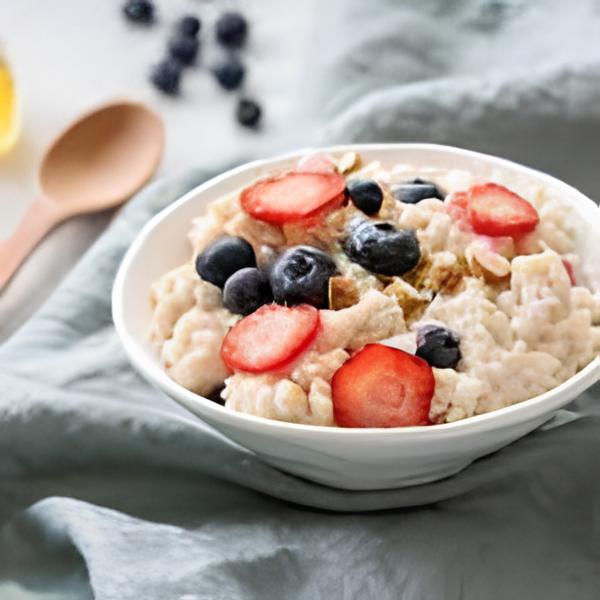
Choose low-sugar, high-fiber cereals. Consume moderately to prevent excessive intake of nutrients and sugars.

Fruit juice, high in fiber, supports digestion. Coconut water, rich in electrolytes, aids hydration in dehydration, stomach issues, and pregnancy.

Have curd post-lunch for digestion and energy with probiotics promoting a healthy gut. Skip it at night to avoid digestive issues and sleep disruption.

Choose a stomach ulcer-friendly diet with soothing foods—fruits, veggies, lean proteins & whole grains. Skip spicy, acidic, and fried items for effective healing.
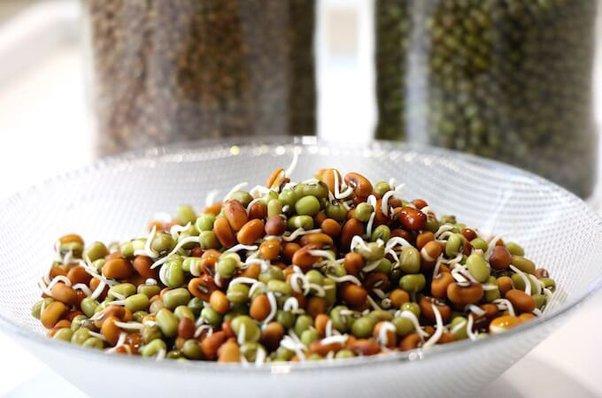
Enjoy sprouts for energy from breakfast to noon. These nutrient-rich foods fuel you for the day, making it the ideal time for consumption.
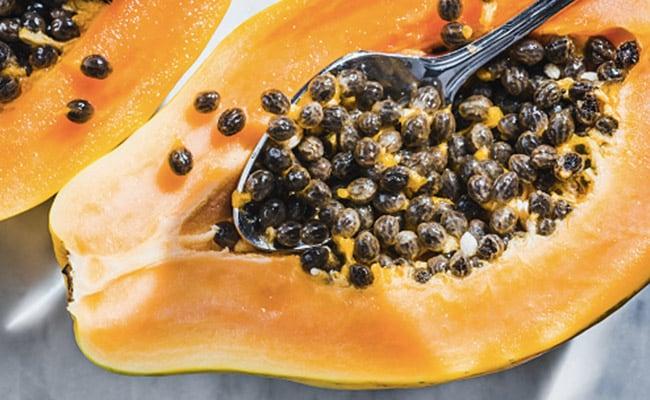
Papaya seeds, abundant in monounsaturated oleic acid and fiber, play a role in cholesterol regulation by reducing LDL cholesterol, fostering overall heart health.

Studies indicate that tea can have positive effects on the digestive system but might impede the absorption of nutrients in the digestive process.

Constipation can be uncomfortable and may lead to health issues. Relieve this with high-fiber fruits, probiotics, whole grains, pulses and proper fluid intake.

Olives offer health benefits due to their dietary fiber content, which promotes digestion and heart health. It helps to maintain healthy cholesterol levels also.

Prebiotics can be found in various plant-based foods, including specific fruits, vegetables, legumes (chickpeas, black beans, lentils) and whole grains.
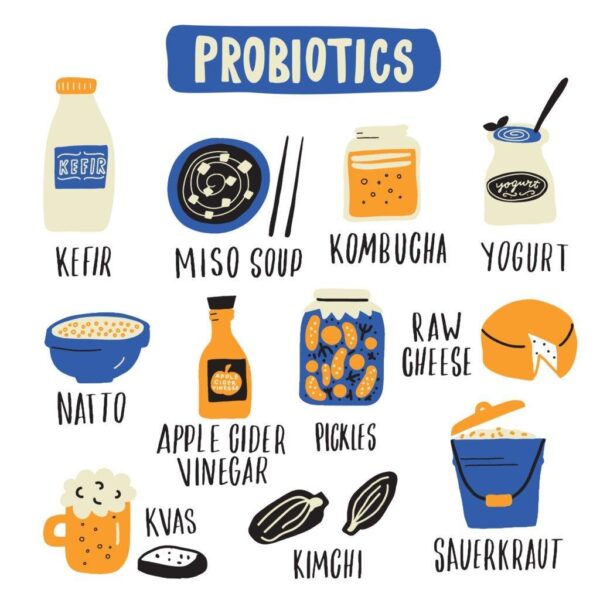
Increasing your intake of probiotic foods can boost the presence of beneficial bacteria in your body. These are commonly found in fermented foods.
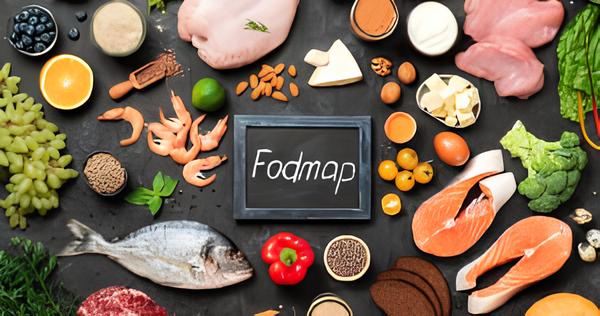
FODMAPs, a carbohydrate type found in some foods, provide energy, like fat and protein. A low FODMAP diet may alleviate irritable bowel syndrome (IBS) symptoms.