
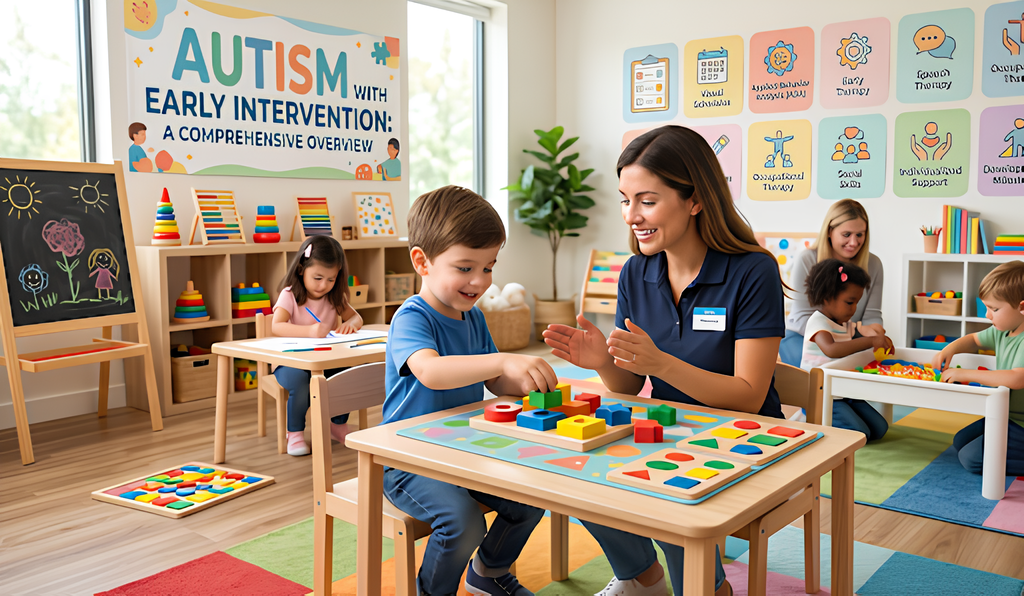
Autism spectrum disorder (ASD) is a complex neurodevelopmental condition characterized by persistent challenges in social communication, restricted interests, and repetitive behaviors. The term “spectrum” suggest the wide variation in strengths, symptoms, and levels of support required. Although autism is a lifelong condition, early intervention has been shown to significantly improve developmental outcomes, adaptive functioning, and long-term independence.
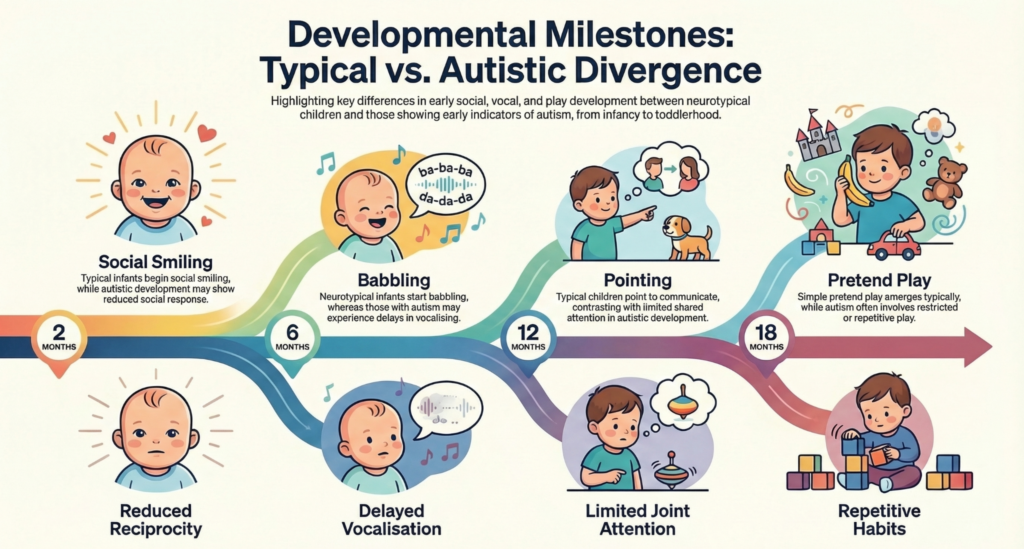
Understanding Early Intervention in Autism
Early intervention refers to structured, evidence-based therapies delivered during early childhood-typically from birth to five years of age. This period is critical because of heightened brain plasticity, allowing young children to acquire foundational cognitive, language, and social-emotional skills more effectively.
Early Signs and Indicators
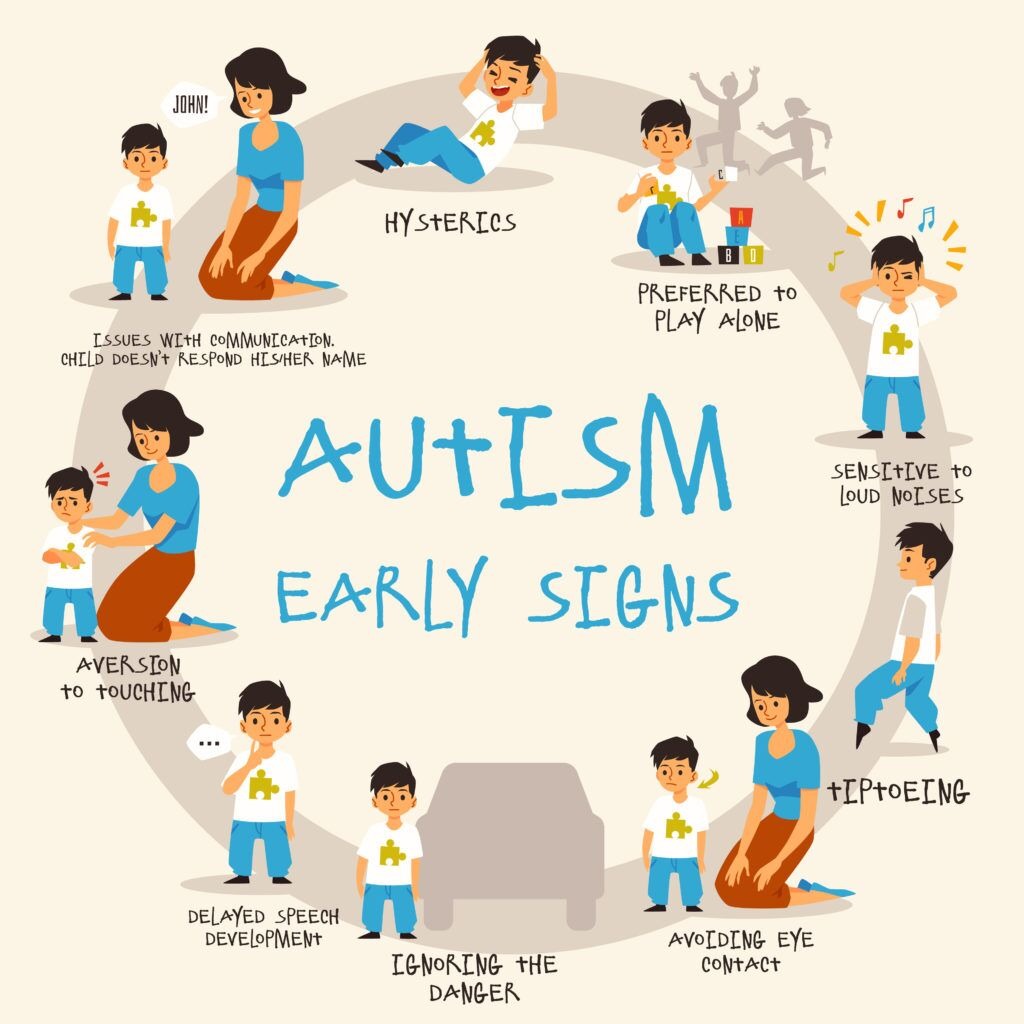
Early symptoms of autism may vary, but commonly include:
- Delayed speech and language development
- Limited eye contact or facial expression
- Reduced response to name
- Difficulty engaging in joint attention (e.g., pointing or sharing interest)
- Repetitive behaviors or movements
- Strong preference for routines
- Sensory sensitivities (to sound, light, textures)
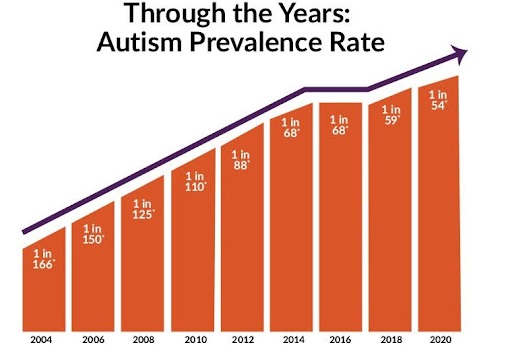
Evidence-Based Early Intervention Approaches
A multidisciplinary and individualized approach yields the most effective outcomes. Common interventions include:
1. Applied Behavior Analysis (ABA)
ABA is a structured, data-driven therapy focused on reinforcing positive behaviors and reducing behaviors that interfere with learning. It emphasizes skill development in communication, social interaction, and daily living activities.
2. Speech and Language Therapy
Targets expressive and receptive communication skills, articulation, social communication (pragmatics), and alternative communication systems when needed.
3. Occupational Therapy
Addresses sensory integration, fine motor skills, adaptive functioning, and independence in daily routines.
4. Special Education Support
Provides individualized instruction through Individualized Education Programs (IEPs) tailored to the child’s learning needs. Special educators use structured teaching strategies, visual supports, and adaptive learning methods to improve academic, communication, and social skills within inclusive or specialized classroom settings.
5. Physical Therapy
Physical therapy supports children with delays in gross motor skills, balance, and coordination. Through structured exercises and play-based activities, therapists improve strength, posture, and mobility, helping children develop essential movement skills needed for daily activities, independence, and active participation in learning and play.
6. Social Skills Training
Enhances interaction, emotional understanding, and cooperative play skills. Interventions may occur in home settings, clinics, early learning centers, or inclusive preschool environments, depending on individual needs.
Benefits of Early Intervention
Research consistently demonstrates that early intervention can lead to:
- Improved language acquisition and communication
- Enhanced social engagement and emotional regulation
- Reduction in maladaptive behaviors
- Increased cognitive and academic readiness
- Greater independence in daily activities
- Improved long-term educational and employment outcomes
In addition, early intervention supports families by providing training, resources, and coping strategies, fostering a collaborative therapeutic environment.
The Role of Families and Community
Family involvement is a cornerstone of successful intervention. Parents and caregivers are trained to reinforce strategies across daily routines, ensuring consistency and skill generalization. Community awareness, inclusive educational systems, and access to specialized healthcare services further contribute to optimal outcomes.
Autism spectrum disorder lasts throughout life, but early support and therapy can make a big difference in a child’s development. When autism is identified early and the child receives the right therapies based on their individual needs, they can learn important life skills more effectively.
With regular guidance, personalized support, and active involvement from family members, children with autism can improve their communication, build better social relationships, and gain confidence in daily activities. Aaziban, a rehabilitation center dedicated to supporting special children, provides high-quality care through professional therapies, structured programs, and a supportive environment that helps children learn, develop important life skills, and move toward greater independence.
1. What is early intervention in autism?
Early intervention refers to structured therapies and support provided to young children with autism, usually between birth and five years of age. During this stage, the brain develops rapidly, making it easier for children to learn communication, social, and daily living skills.
2. Why is early intervention important for children with autism?
Early intervention helps improve language development, social interaction, and emotional regulation. Research shows that children who receive therapy early often develop stronger life skills, better learning abilities, and greater independence as they grow.
3. What therapies are commonly used in early autism intervention?
Common evidence-based therapies include Applied Behavior Analysis (ABA), speech and language therapy, occupational therapy, physical therapy, social skills training, and specialized education programs tailored to the child’s needs.
4. How can families support a child with autism during intervention?
Families play a crucial role by practicing therapy strategies at home, maintaining consistent routines, and encouraging communication and social interaction. Parental involvement, along with professional guidance, greatly improves the effectiveness of intervention programs.
Need Personalized Guidance for Speech Therapy?
Our senior certified therapists at Aaziban Care Center provide customized 1-on-1 evaluation and treatment plans at our care centers.