Dysphagia

Dysphagia: Causes, Symptoms, and Rehabilitation Approach
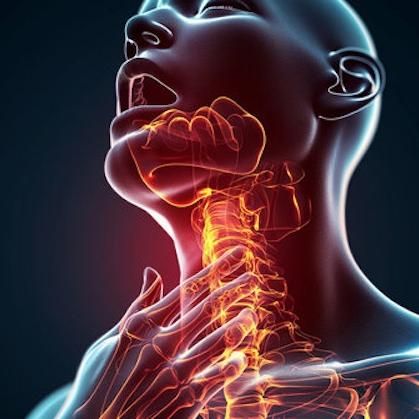
Dysphagia

Introduction Dysphagia is a common medical condition characterized by difficulty in swallowing. It can occur due to neurological, muscular, or structural abnormalities affecting the swallowing mechanism. Dysphagia may lead to inadequate nutrition, dehydration, and respiratory complications if not managed properly. Early identification and appropriate rehabilitation are essential to upgrade swallowing function and quality of life. …

Dysphagia: Causes, Symptoms, and Rehabilitation Approach Read More »
Progressive Supranuclear Palsy: Clinical Features and Rehabilitation Approach

Progressive Supranuclear Palsy

Introduction Progressive Supranuclear Palsy (PSP) is a rare, progressive neurodegenerative disorder that primarily affects movement, balance, vision, and cognition. It commonly presents in late adulthood and often mimics Parkinson’s disease in early stages, leading to delayed diagnosis. Early rehabilitation plays a crucial role in maintaining function and safety. Definition Progressive Supranuclear Palsy is a chronic …

Progressive Supranuclear Palsy: Clinical Features and Rehabilitation Approach Read More »

Amyotrophic Lateral Sclerosis

Amyotrophic Lateral Sclerosis

Introduction: Amyotrophic Lateral Sclerosis(ALS) is a type of motor neuron disease. Amyotrophic Lateral Sclerosis is also known as Lou Gehrig’s disease and charcot disease. Definition: Amyotrophic Lateral Sclerosis is a neurodegenerative group of disorders characterized by degeneration of lateral  column. Etiology: There will be degeneration of the Lower Motor Neuron in the spinal cord and …

Amyotrophic Lateral Sclerosis Read More »