from

Extension Synergy: From Motor Impairment to Functional Recovery
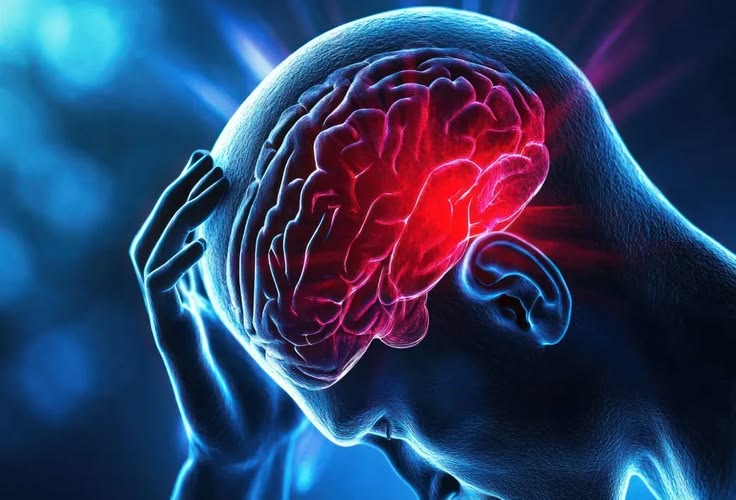
Extension Synergy

Introduction Extension synergy is a common abnormal movement pattern seen in individuals with neurological impairments, particularly after stroke. It reflects a loss of normal motor control, where muscles work together in an involuntary and stereotyped manne, restricting functional movement. Definition Extension synergy is a coordinated pattern of involuntary muscle activation resulting in extension movements of …

Extension Synergy: From Motor Impairment to Functional Recovery Read More »
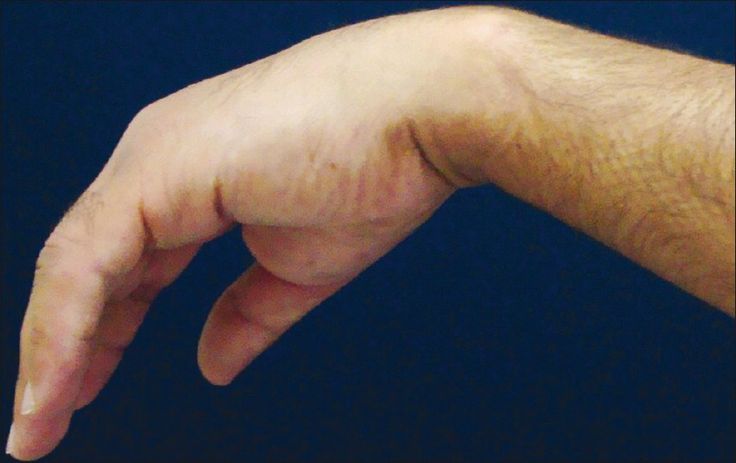
From Wrist Drop to Recovery: A Guide to Radial Nerve Injury

Radial Nerve Injury

Introduction Radial nerve injury is a common peripheral nerve disorder that remarkably affects upper limb function. It mainly impairs wrist and finger extension, leading to functional limitations in daily activities. Early diagnosis and rehabilitation are essential for optimal recovery. Definition Radial nerve injury refers to compression or damage of the radial nerve, which originates from …

From Wrist Drop to Recovery: A Guide to Radial Nerve Injury Read More »

Focal Neuropathy: From Nerve Damage to Recovery

Focal Neuropathy

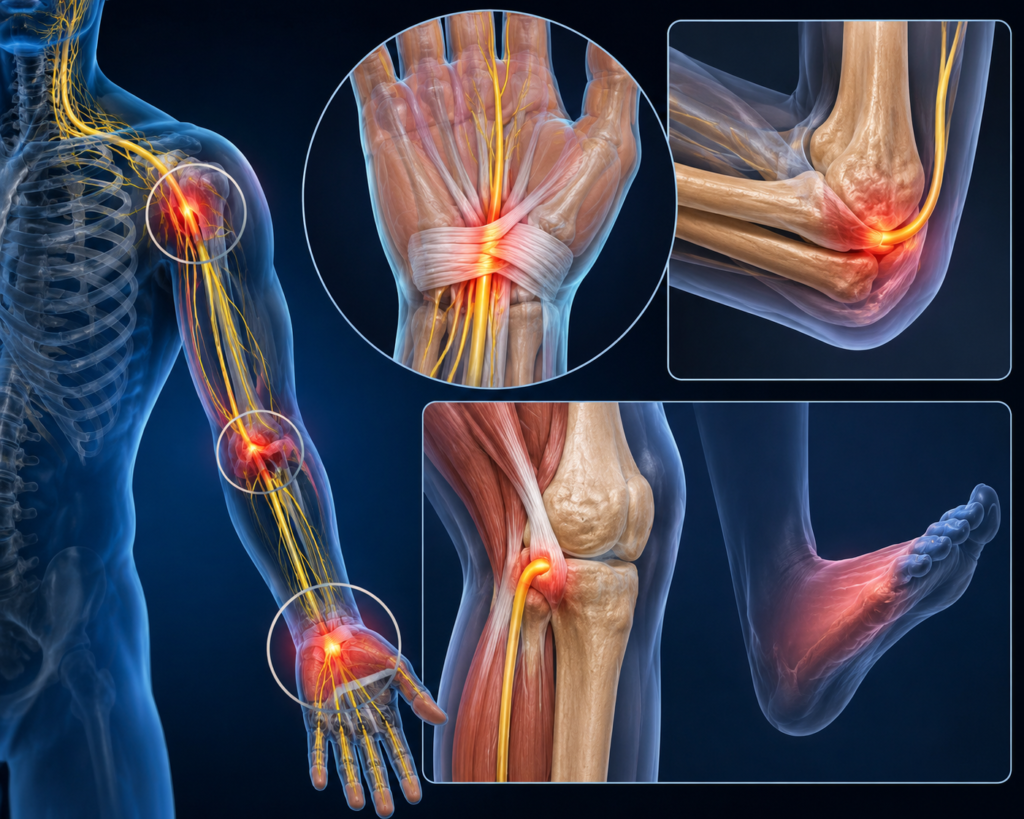
Introduction Focal neuropathy is a type of peripheral nerve disorder that affects a single nerve or a group of nerves, leading to sudden and localized symptoms. It is commonly seen in conditions like diabetes and can remarkably impact daily functional activities. Early diagnosis and targeted management are essential for optimal recovery. Definition Focal neuropathy refers …

Focal Neuropathy: From Nerve Damage to Recovery Read More »

Tremor Disorders: From Pathophysiology to Physiotherapy Care

tremor

Introduction Tremor is one of the most common movement disorders encountered in clinical practice. It can affect individuals of any age and may interfere with daily activities such as writing, eating, or dressing. Although often benign, tremor may also indicate an underlying neurological condition requiring proper evaluation and management. Definition It is an involuntary, rhythmic, …

Tremor Disorders: From Pathophysiology to Physiotherapy Care Read More »

Effective Scar Management: From Healing to Functional Recovery

Scar management

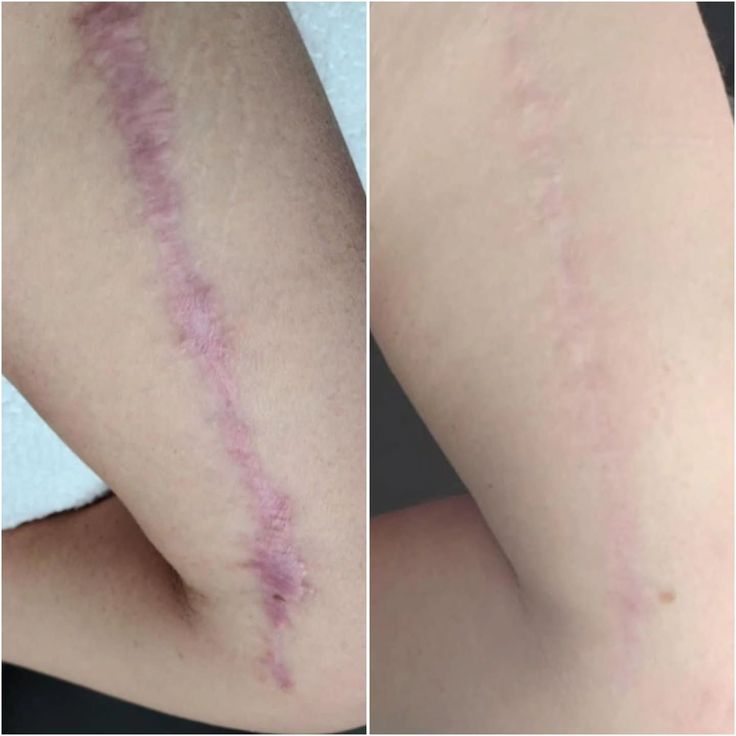
Introduction Scar Management is a natural part of wound healing following surgery, trauma, burns, or infections. While most scars heal without complications, some may become painful, restrictive, or cosmetically concerning. Effective scar management improves tissue mobility, reduces discomfort, and enhances functional and aesthetic outcomes. Early intervention plays a vital role in preventing long-term complications. Definition …

Effective Scar Management: From Healing to Functional Recovery Read More »
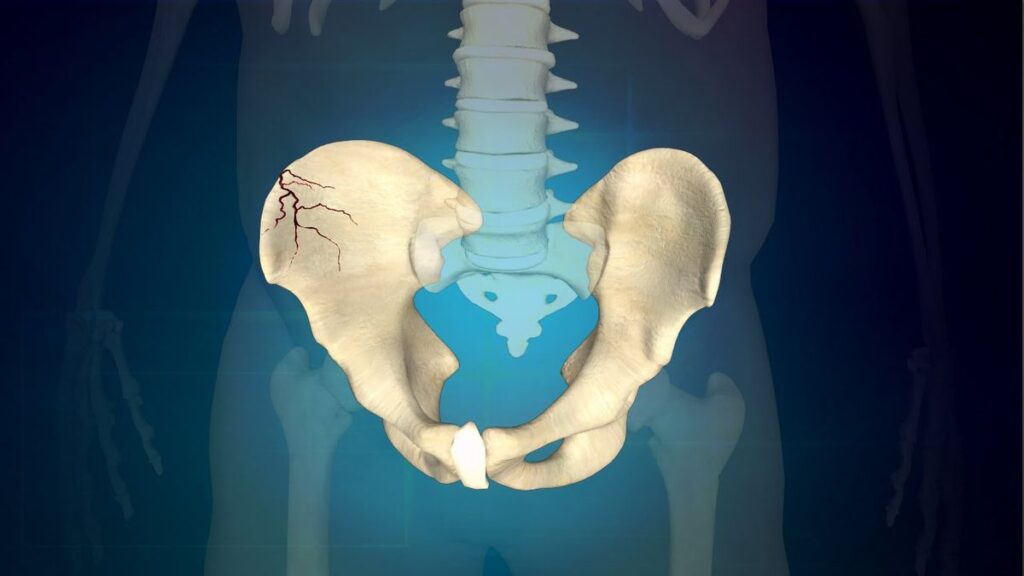
Fracture of the Pelvis: From Trauma to Functional Recovery

Fracture of the Pelvis

Introduction Fracture of the Pelvis From Trauma to Functional Recovery involves a break in one or more pelvic bones, including the ilium, ischium, pubis, or sacrum. Pelvic fractures range from stable, low-energy injuries to complex, life-threatening trauma. Proper medical care and early physiotherapy are essential for restoring mobility and preventing long-term disability. Etiology Epidemiology Pelvic …

Fracture of the Pelvis: From Trauma to Functional Recovery Read More »
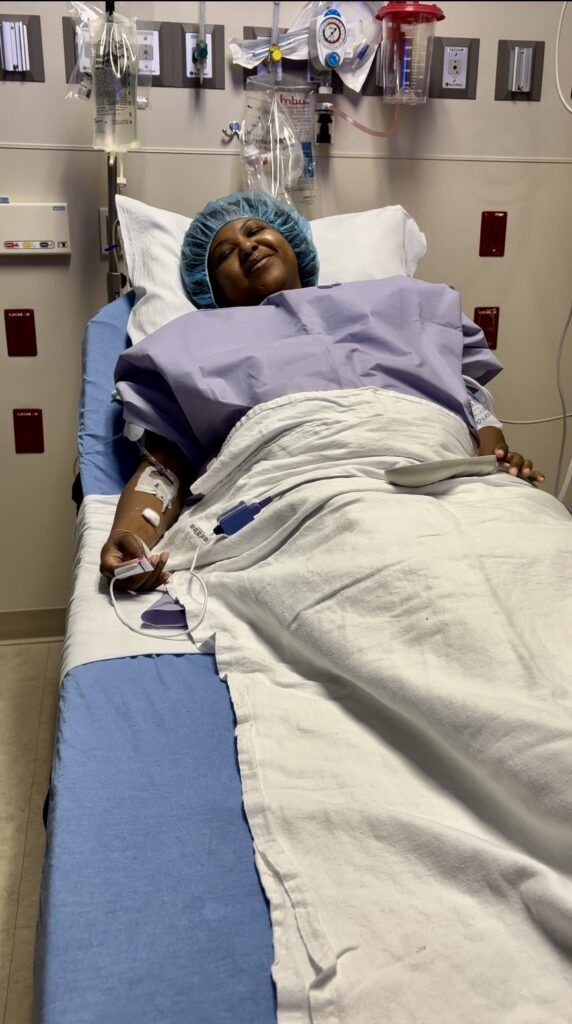
Hysterectomy: An Overview from a Rehabilitation Perspective

Hysterectomy

Introduction Hysterectomy is one of the most commonly performed gynecological surgeries worldwide. It involves the removal of the uterus and is often recommended for conditions that remarkably affect a woman’s health and quality of life. Proper postoperative care, including physiotherapy, plays a crucial role in recovery. Definition It is a surgical procedure in which the …

Hysterectomy: An Overview from a Rehabilitation Perspective Read More »

Dementia Explained: From Memory Loss to Functional Decline

Dementia

Introduction Dementia is a progressive neurological condition that affects memory, thinking, behavior, and the ability to perform daily activities. It is more common in older adults but is not a normal part of aging. Early identification and supportive rehabilitation play an significant role in improving quality of life and functional independence. Definition Dementia is a …

Dementia Explained: From Memory Loss to Functional Decline Read More »

Fracture of the Patella: From Trauma to Mobility

admin ajax (2) (2)

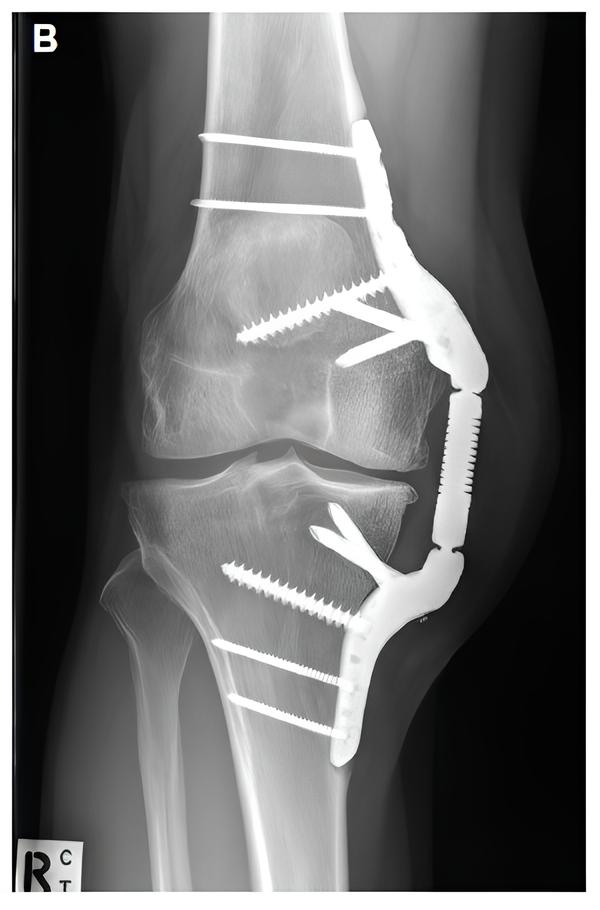
Introduction A Fracture of the Patella refers to a break in the kneecap, a small but crucial bone that protects the knee joint and improves the efficiency of the quadriceps muscle. Patellar fractures can remarkably impair knee extension and walking ability. Early diagnosis and structured physiotherapy are essential for optimal functional recovery. Mechanism of Injury …

Fracture of the Patella: From Trauma to Mobility Read More »

Colles’ Fracture: From Injury to Functional Recovery

admin ajax (1)

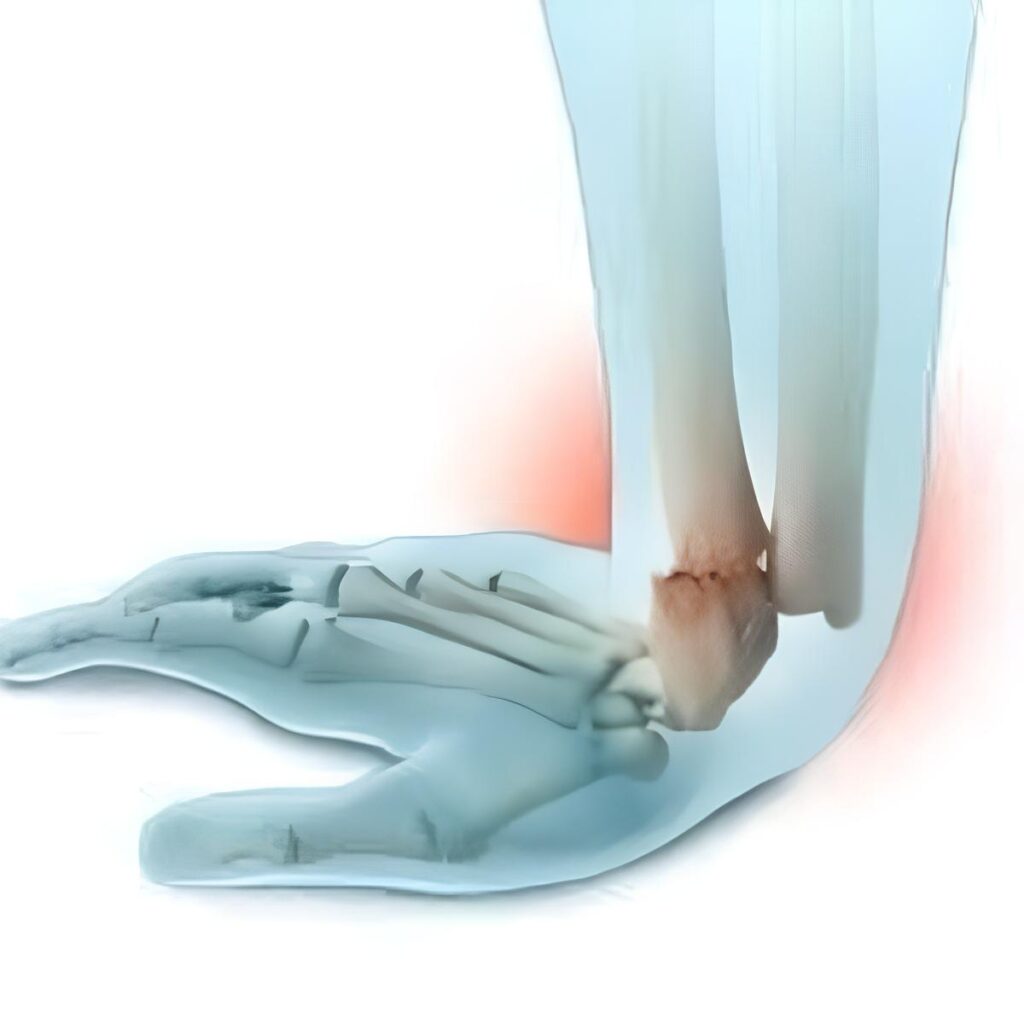
Introduction Colles’ Fracture is one of the most common fractures of the wrist, especially seen in elderly individuals and post-menopausal women. It involves a break in the distal end of the radius and can significantly affect hand function if not treated and rehabilitated properly. Early physiotherapy plays a vital role in restoring mobility and strength. …

Colles’ Fracture: From Injury to Functional Recovery Read More »
From Boosting Immunity to Preventing Diabetes, Benefits of Guava you Never Know About

admin ajax (6) (1)

Guavas not only offer numerous health benefits but also have a valuable nutritional profile. A 100g serving of guava contains only 68 calories and 8.92g of sugar, according to data from the United States Department of Agriculture (USDA). Furthermore, guavas are rich in calcium, providing 18g of this mineral per 100g of the fruit. Additionally, …

From Boosting Immunity to Preventing Diabetes, Benefits of Guava you Never Know About Read More »