
Introduction
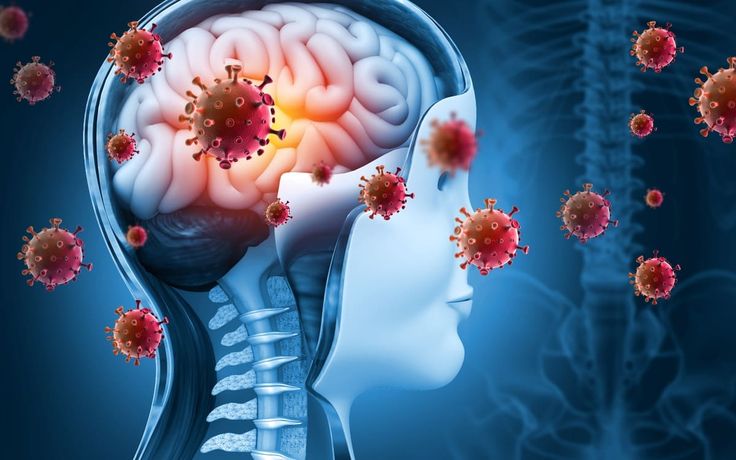
Tuberculous Meningitis (TBM) is the most severe form of extrapulmonary tuberculosis, caused by Mycobacterium tuberculosis. It primarily affects the meninges of the brain and spinal cord and is associated with high morbidity and mortality if not treated early.
Definition
Tuberculous Meningitis is a chronic infectious condition characterized by inflammation of the meninges due to tuberculosis infection, leading to neurological deficits and systemic complications.
Clinical Features
- Gradual onset of symptoms over days to weeks
- Headache and malaise
- Persistent low-grade fever
- Neck stiffness and meningeal irritation
- Altered mental status in advanced stages
- Cranial nerve involvement (especially III, VI, VII)
Signs and Symptoms
- Severe headache and vomiting
- Photophobia and irritability
- Positive meningeal signs
- Confusion, drowsiness, or coma in severe cases
- Focal neurological deficits such as hemiparesis
- Seizures, especially in children
- Hydrocephalus-related symptoms (e.g., increased intracranial pressure)
Complication
- Hydrocephalus
- Permanent neurological deficits
- Stroke due to vasculitis
- Cranial nerve palsies
- Cognitive impairment
- Hearing or vision loss
- Seizure disorders
- Death in untreated or severe cases
Risk Factors
- Active or untreated Tuberculosis infection (especially pulmonary TB)
- Close contact with TB-infected individuals
- Malnutrition (weakens immune defense)
- Immunocompromised state (e.g., HIV/AIDS, cancer, long-term steroid use)
- Young age (infants and children are at higher risk)
- Chronic illnesses (e.g., diabetes, kidney disease, alcoholism)
- Elderly population (reduced immunity)
- Overcrowded or poor living conditions
- Lack of BCG vaccination
- Substance abuse (alcohol, drugs)
- Previous history of tuberculosis
- Delayed or inadequate treatment of TB infection
Physiotherapy Management
- Positioning and Postural Care: Prevent pressure sores and maintain alignment
- Passive and Active ROM Exercises: Prevent joint stiffness and contractures
- Chest Physiotherapy: Improve airway clearance and prevent respiratory complications
- Early Mobilization: Gradual progression to sitting, standing, and walking
- Neurological Rehabilitation: Improve motor control, coordination, and balance
- Cognitive and Functional Training: Enhance independence in activities of daily living (ADLs)
- Gait Training: Use of assistive devices if required
- Family Education: Guidance on home care, positioning, and long-term rehabilitation
Conclusion
Tuberculous Meningitis is a life-threatening neurological condition requiring prompt diagnosis and medical management. Early physiotherapy intervention plays a vital role in minimizing complications, improving functional outcomes, and enhancing the patient’s quality of life through a multidisciplinary approach.
What is Tuberculous Meningitis?
It is a chronic infection of the meninges caused by Tuberculosis, leading to inflammation and neurological deficits
What are common clinical features of Tuberculous Meningitis?
Gradual onset of headache, low-grade fever, neck stiffness, altered mental status, and cranial nerve involvement.
What is the role of physiotherapy in Tuberculous Meningitis?
It helps in recovery through positioning, ROM exercises, chest physiotherapy, early mobilization, and neurological rehabilitation.