
Introduction
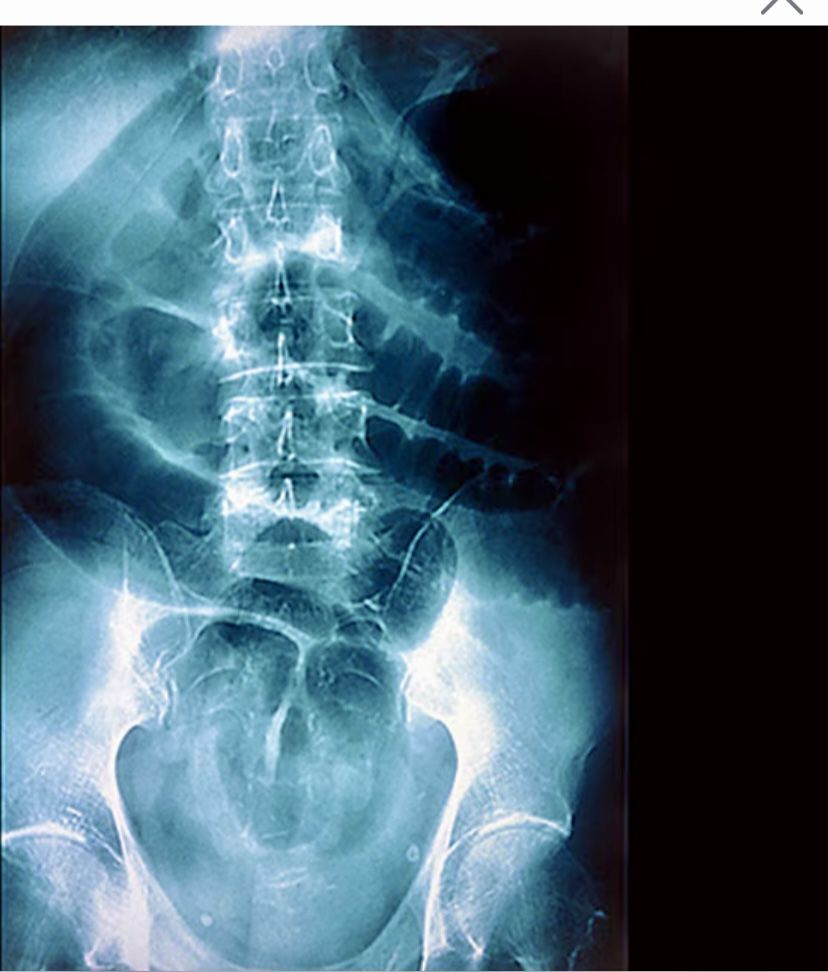
Vertebral Anomalies are structural abnormalities of the spine that occur due to improper development of vertebrae during fetal growth. These conditions may remain asymptomatic or lead to postural deformities, pain, and neurological deficits. Early identification and physiotherapy intervention play a crucial role in preventing functional limitations and upgrading quality of life.
Definition
Vertebral anomalies refer to congenital malformations of the vertebral column, resulting from defects in vertebral formation, segmentation, or alignment. Common types include block vertebra, hemivertebra, butterfly vertebra, and spina bifida occulta.
Clinical Features
Clinical presentation varies depending on the type and severity of the anomaly. Some individuals remain symptom-free, while others develop spinal deformities such as scoliosis, kyphosis, or lordosis. Growth-related progression of deformity is common, especially during childhood and adolescence.
Signs and Symptoms
Patients with vertebral anomalies may present with:
- Abnormal spinal curvature or postural asymmetry
- Back or neck pain
- Limb length discrepancy
- Restricted spinal mobility
- Muscle weakness or stiffness
- Neurological symptoms such as numbness or tingling
- Delayed motor milestones in children

Physiotherapy Management
Physiotherapy plays a vital role in conservative management and postoperative rehabilitation:
- Postural correction and ergonomic training
- Spinal mobility and flexibility exercises
- Breathing exercises in cases with thoracic involvement
- Core strengthening to improve spinal stability
- Stretching of tight muscle groups
- Balance and coordination training
- Pain management using manual therapy and modalities
- Education on activity modification and long-term spine care
A structured and individualized physiotherapy program helps slow the progression of deformity, reduce pain, and enhance functional independence.
Complications
If untreated or severe, vertebral anomalies may lead to:
- Progressive spinal deformities
- Chronic pain
- Reduced lung capacity
- Neurological deficits
- Functional limitations in daily activities
- Psychosocial impact due to visible deformity
Conclusion
Vertebral Anomalies encompass a wide range of congenital spinal disorders with varied clinical outcomes. Early diagnosis, regular monitoring, and comprehensive physiotherapy management are essential to minimize complications and improve functional outcomes. A multidisciplinary approach ensures optimal long-term spinal health and quality of life.
Q1. What are vertebral anomalies?
A: Vertebral anomalies are congenital structural abnormalities of the spine caused by improper vertebral development during fetal growth.
Q2. What are common signs and symptoms of vertebral anomalies?
A: Common features include abnormal spinal curvature, back or neck pain, restricted mobility, muscle weakness, and neurological symptoms like numbness or tingling.
Q3. How does physiotherapy help in vertebral anomalies?
A: Physiotherapy improves posture, spinal mobility, strength, and function while helping reduce pain and slow deformity progression.