
Introduction
Volkmann’s Ischemic Contracture (VIC) is a serious orthopedic condition resulting from untreated or poorly managed compartment syndrome, most commonly affecting the forearm. It leads to permanent muscle and nerve damage, causing deformity and functional impairment. Early recognition and timely intervention are vital to prevent irreversible disability.
Definition
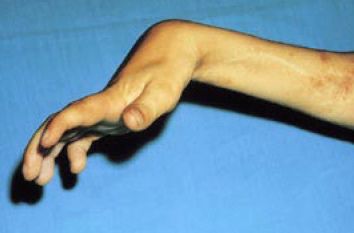
Volkmann’s Ischemic Contracture is defined as a permanent flexion deformity of the hand and wrist caused by ischemic necrosis and fibrosis of the forearm muscles following increased compartmental pressure.
Etiology
The primary cause of VIC is prolonged ischemia due to increased pressure within a closed muscle compartment. Common causes include:
- Supracondylar fracture of the humerus (especially in children)
- Crush injuries or severe trauma to the forearm
- Tight casts or bandages restricting blood flow
- Vascular injuries leading to compromised circulation
- Burns or prolonged limb compression
This sustained pressure decreased blood supply, resulting in muscle necrosis and subsequent fibrosis.
Clinical Features
The presentation varies depending on severity but commonly includes:
- Pain and swelling in the forearm
- Weakness of hand and wrist muscles
- Stiffness andreduce range of motion
- Claw-like deformity of the hand
- Pale, cold skin in the affected limb
- decreased or absent pulses in severe cases
Symptoms often follow an initial phase of compartment syndrome.
Complications
If untreated, VIC can lead to:
- Permanent contracture and deformity
- Nerve damage causing sensory loss
- Muscle fibrosis and atrophy
- Severe functional disability of the hand
- Joint stiffness and chronic pain
Investigation
Diagnosis is mainly clinical but supported by:
- History of trauma or tight immobilization
- Physical examination of deformity and muscle function
- Compartment pressure measurement
- X-rays to assess associated fractures
- Electromyography (EMG) and nerve conduction studies to evaluate nerve involvement

Physiotherapy Management
Physiotherapy plays a crucial role in both prevention and rehabilitation:
- Early Stage (Post-injury):
- Elevation and positioning of the limb
- Gentle range of motion exercises
- Edema control techniques
- Established Contracture:
- Stretching exercises to decreased contracture
- Strengthening of unaffected and partially affected muscles
- Passive and active mobilization of joints
- Splinting to maintain functional position
- Functional training for hand activities
- Scar management if surgery is performed
- Patient Education:
- Importance of early reporting of pain and tightness
- Proper limb positioning and care
A multidisciplinary approach involving surgeons and physiotherapists ensures optimal outcomes.
Conclusion
Volkmann’s Ischemic Contracture is a preventable yet disabling condition resulting from prolonged compartmental pressure. Early diagnosis, timely medical intervention, and structured physiotherapy are essential to preserve limb function. Rehabilitation focuses on maximizing mobility, decreasing deformity, and improving the patient’s quality of life.
Q: What is Volkmann’s Ischemic Contracture?
A: It is a permanent flexion deformity of the hand and wrist caused by muscle ischemia and fibrosis due to increased compartment pressure.
Q: What is the most common cause of VIC?
A: It commonly results from untreated compartment syndrome, often due to fractures, tight casts, or trauma.
Q: How is Volkmann’s Ischemic Contracture managed?
A: Management includes physiotherapy with stretching, strengthening, splinting, and functional training to improve hand function.