
Introduction
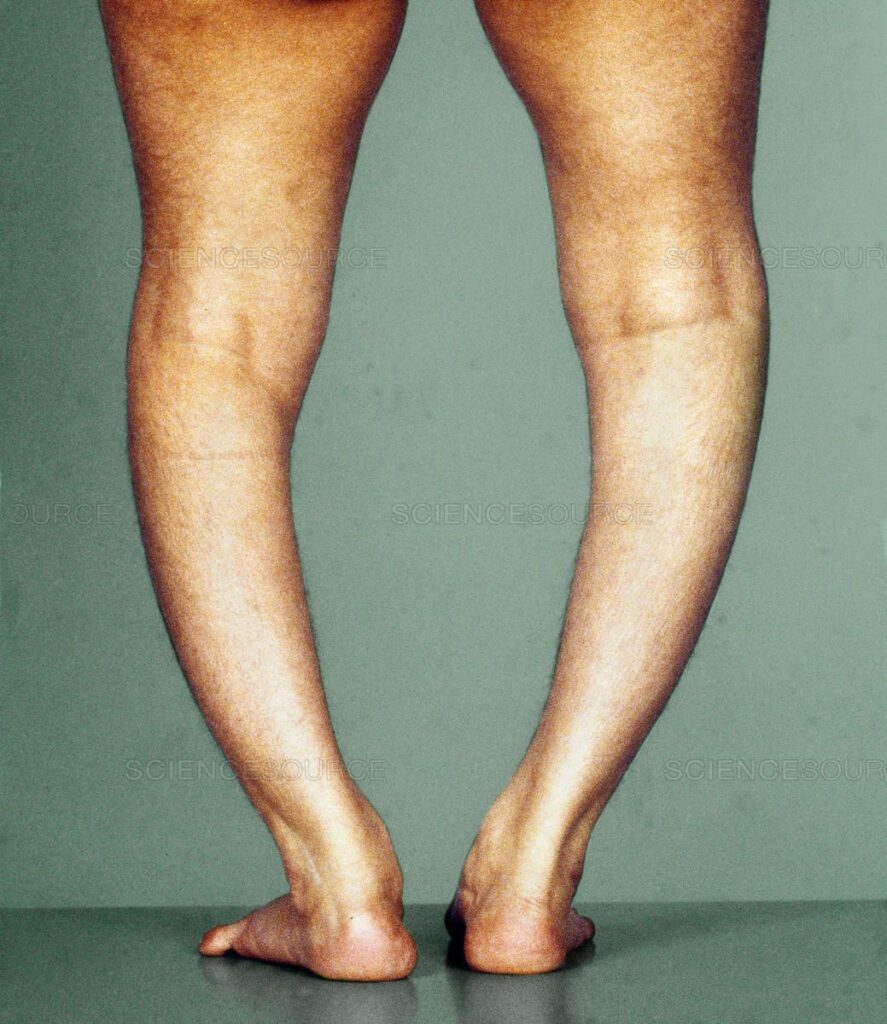
Bow legs in children, medically known as genu varum, are a common condition often seen in early childhood. While it is typically a normal part of growth, persistent or severe bowing may indicate an underlying pathology that requires timely evaluation. Early identification and proper physiotherapy intervention help ensure healthy leg alignment and prevent future gait issues.
Definition
Bow-legged babies at 4 years old are so common that they are considered to be a normal stage of development. In the occasional case where, by the age of 10 years, the deformity is still marked ( the intercondylar distance is more than 6 cm or the intermalleolar distance is more than 8 cm), operative correction should be advised.
Cause
- Physiological Bowing: Normal in infants due to intrauterine positioning; usually resolves by age 2–3 years.
- Nutritional Deficiency: Vitamin D deficiency leading to rickets.
- Bone Disorders: Blount’s disease (tibia vara), causing abnormal growth at the tibial growth plate.
- Genetic Factors: Family history of skeletal deformities.
- Infections or Trauma: Affecting bone growth and alignment.
- Obesity: Increased load on developing bones may worsen bowing.
Clinical Features
- Visible outward curve of the legs.
- Knees remain apart even when ankles touch.
- It may be symmetrical or affect one leg more than the other.
- A child often walks with a wide-based gait.
Signs and Symptoms
- Abnormal gait pattern or waddling walk.
- Frequent tripping during walking or running.
- Knee, hip, or ankle discomfort in severe cases.
- Unequal leg length (rare but possible).
- Difficulty standing for long durations in moderate to severe cases.
Physiotherapy Management
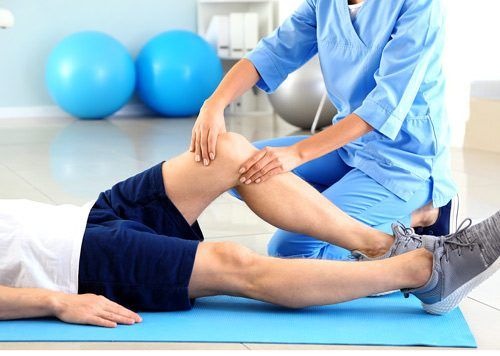
1) For most people can help to realign and stabilize their knees. Your physical therapist evaluates your gait, your leg, hip, and thigh muscles. Specific stretches are also helpful, orthotic management, whose bow legs resolve by age 7/8, a brace or splint may help guide bone growth. In an adult individual, if legs are unequal in length as a result of bow legs, a heel insert into the shoe on the shorter side can equalize your leg length
2) Exercises that help to correct the bow leg, like stretching hip and thigh muscles, and to strengthen hip muscles. Stretching of the hamstrings, groin, piriformis, and gluteus medius. Strengthening with a resistance band.
3) For both cases, balance improvement is an important part of treatment. Balance can be improved by single-leg standing, tandem standing, BOSU ball training, and using a balance board or BAPS board.
Conclusion
Bow legs in children are often normal and self-correcting; however, persistent or worsening deformities should not be ignored. Physiotherapy plays an essential role in strengthening, alignment correction, and preventing long-term complications. Early evaluation ensures timely intervention and healthy musculoskeletal development.
What are bow legs in children?
Bow legs (genu varum) refer to an outward curvature of the legs, common in early childhood and usually a normal part of development.
What causes persistent bow legs?
Causes include vitamin D deficiency (rickets), Blount’s disease, genetic factors, trauma, infections, and obesity affecting bone growth.
How does physiotherapy help manage bow legs?
Physiotherapy improves alignment through stretching, strengthening, orthotic support, and balance training to ensure proper gait and leg stability.