Introduction
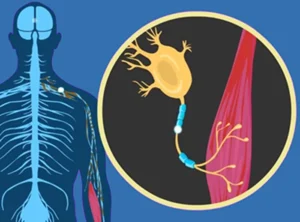
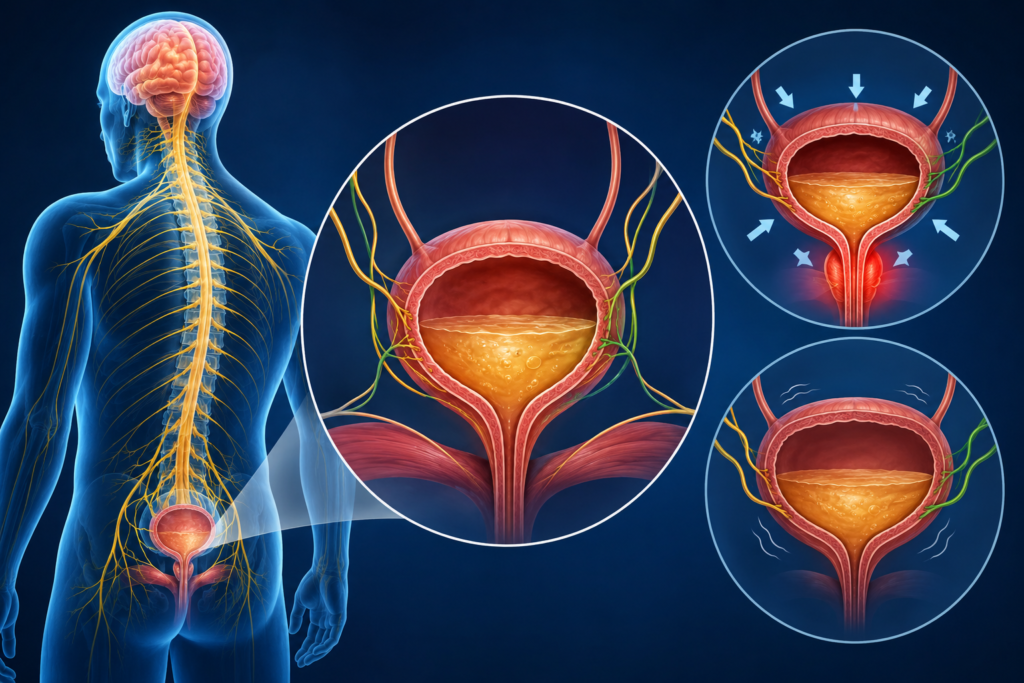
Neurogenic bladder is a dysfunction of the urinary bladder caused by damage to the nervous system. It affects the normal storage and emptying of urine, leading to significant physical and social challenges. Early diagnosis and proper management are essential to prevent complications.
Definition
Neurogenic bladder refers to impaired bladder control due to neurological disorders affecting the brain, spinal cord, or peripheral nerves that regulate urination.
Etiology
Common causes of neurogenic bladder include:
- Spinal cord injury
- Stroke
- Multiple sclerosis
- Parkinson’s disease
- Diabetes mellitus (neuropathy)
- Brain or spinal tumors
- Congenital conditions such as spina bifida
Clinical Features
The clinical presentation varies depending on the type and level of neurological damage:
- Overactive (spastic) bladder with frequent contractions
- Loss of voluntary bladder control
- Underactive (flaccid) bladder with poor emptying
- Increased residual urine volume
Signs and Symptoms
Patients may experience:
* Urinary incontinence or leakage
* Urinary retention
* Nocturia (frequent urination at night)
* Frequent urination (urgency and frequency)
* Difficulty initiating or stopping urine flow
* Recurrent urinary tract infections (UTIs)

Physiotherapy Management
Physiotherapy plays an important role in improving bladder function and quality of life:
Pelvic floor muscle training (Kegel exercises) to improve bladder control
Electrical stimulation therapy to enhance neuromuscular control
Bladder training techniques to regulate voiding patterns
Biofeedback therapy for better awareness and control
Postural and mobility training to assist toileting independence
Patient education on fluid intake and bladder habits
Complications
If not properly managed, neurogenic bladder can lead to:
* Recurrent urinary tract infections
* Kidney damage or renal failure
* Bladder stones
* Skin breakdown due to incontinence
* Social embarrassment and reduced quality of life
Risk Factors
Factors that increase the risk include:
* Neurological disorders or injuries
* Aging
* Diabetes and chronic illnesses
* Congenital abnormalities
* History of spinal or brain trauma
Conclusion
Neurogenic bladder is a complex condition that significantly impacts urinary function and daily life. Early intervention, combined with physiotherapy and medical management, can help improve bladder control, prevent complications, and enhance overall well-being.
What is neurogenic bladder?
It is a bladder dysfunction caused by damage to the nervous system controlling urination.
What are common symptoms of neurogenic bladder?
Urinary incontinence, retention, frequent urination, and recurrent infections.
How does physiotherapy help in neurogenic bladder?
It improves bladder control through pelvic floor exercises, bladder training, and patient education.
Need Personalized Guidance for Physiotherapy?
Our senior certified therapists at Aaziban Care Center provide customized 1-on-1 evaluation and treatment plans at our care centers.