
Introduction
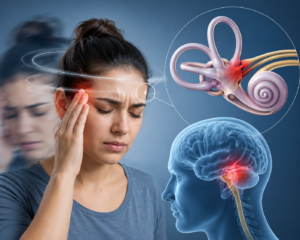
Drop attacks are sudden falls that occur without warning and without loss of consciousness. They can be alarming for patients and may lead to injuries. These episodes are often linked to neurological, vestibular, or cardiovascular conditions, making early evaluation important.
Definition
A drop attack is defined as a sudden, spontaneous fall to the ground without loss of consciousness, followed by rapid recovery. The individual remains aware during the event but is unable to prevent the fall.
Etiology
Common causes of drop attacks include:
- Vertebrobasilar insufficiency
- Transient ischemic attacks (TIA)
- Cervical spine pathology
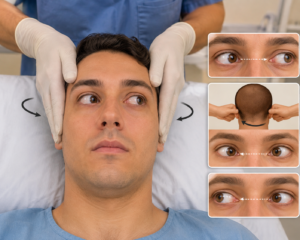
- Inner ear disorders (vestibular dysfunction)
- Seizure disorders (atonic seizures)
- Cardiac arrhythmias or syncope-related conditions
Clinical Features
Drop attacks present with characteristic features such as:
- Sudden loss of postural control
- Immediate recovery after the fall
- No loss of consciousness
- Possible repeated episodes
Signs and Symptoms
Patients may report:
- Abrupt falls without dizziness or fainting
- Imbalance or unsteadiness
- Temporary weakness in legs
- Occasional neck movement triggering symptoms
- Fear of falling and decreased confidence

Physiotherapy Management
Physiotherapy focuses on improving balance and decreased fall risk:
- Balance training to enhance postural stability
- Strengthening exercises for lower limb muscles
- Vestibular rehabilitation if inner ear involvement is present
- Postural correction exercises for cervical spine issues
- Gait training for safe ambulation
- Fall prevention strategies and home safety education
Complications
If not managed properly, drop attacks may lead to:
- Recurrent falls and injuries
- Decreasd mobility and independence
- Fractures or head trauma
- Psychological issues like anxiety or fear of falling
Risk Factors
Factors increasing the risk include:
- Advanced age
- Hypertension and vascular disease
- Cervical spondylosis
- Neurological disorders
- Vestibular dysfunction
- Poor balance and muscle weakness
Conclusion
Drop attacks are sudden and potentially dangerous events that require careful evaluation to identify the underlying cause. With proper medical care and physiotherapy rehabilitation, patients can elevate balance, decreased fall risk, and regain confidence in daily activities.
What is a drop attack?
A sudden fall without loss of consciousness, with quick recovery.
What are common causes of drop attacks?
Neurological issues, vestibular disorders, or vascular problems like TIA.
How can drop attacks be managed?
Through physiotherapy, balance training, and treating the underlying cause.
Need Personalized Guidance for Physiotherapy?
Our senior certified therapists at Aaziban Care Center provide customized 1-on-1 evaluation and treatment plans at our care centers.