
Introduction
Extension synergy is a common abnormal movement pattern seen in individuals with neurological impairments, particularly after stroke. It reflects a loss of normal motor control, where muscles work together in an involuntary and stereotyped manne, restricting functional movement.
Definition
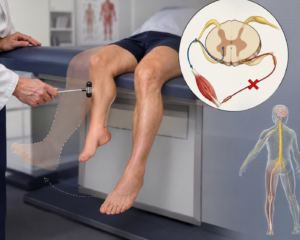
Extension synergy is a coordinated pattern of involuntary muscle activation resulting in extension movements of the limb. It typically occurs due to damage to upper motor neurons, leading to impaired selective control of muscles.
Etiology
Extension synergy may develop due to:
- Stroke (most common cause)
- Spinal cord injury
- Traumatic brain injury
- Multiple sclerosis
- Other upper motor neuron lesions
- Cerebral palsy
Clinical Features
Typical features include:
- Involuntary extension movement patterns
- Loss of isolated joint control
- Increased muscle tone (spasticity)
- Difficulty performing purposeful movements
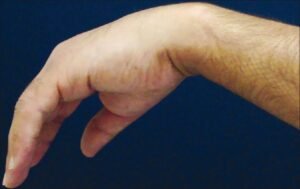
- Abnormal limb posture
Signs and Symptoms
In the upper limb, extension synergy includes:
- Shoulder adduction and internal rotation
- Elbow extension
- Forearm pronation
- Wrist and finger flexion
In the lower limb, extension synergy includes:
- Hip extension and adduction
- Knee extension
- Ankle plantarflexion and inversion
Patients may also experience:
- Decreased coordination
- Difficulty in walking and balance
- Limited functional use of limbs
Physiotherapy Management
Physiotherapy aims to decreased abnormal synergy and restore functional movement:
- Neurofacilitation techniques (Bobath, PNF)
- Stretching exercises to decreased spasticity
- Task-oriented training for functional activities
- Strengthening of antagonist muscles
- Gait training for mobility
- Weight-bearing exercises to improve control
- Functional electrical stimulation (FES)
- Balance and coordination training
Complications
If not treated effectively, extension synergy may lead to:
- Joint stiffness and contractures
- Loss of functional independence
- Deformities
- Decreased quality of life
- Chronic pain
Risk Factors
Key risk factors include:
- Stroke or neurological injury
- Delayed rehabilitation
- Severe brain damage
- Advanced age
- Sedentary lifestyle
Conclusion
It is a disabling motor pattern seen in upper motor neuron lesions. Early physiotherapy intervention is vital to improve motor control, decreased abnormal patterns, and enhance functional independence.
What is extension synergy?
An abnormal movement pattern with involuntary extension of limbs due to neurological damage.
What are common features of extension synergy?
Spasticity, loss of selective control, and difficulty in isolated movements.
How is extension synergy managed?
Through physiotherapy including stretching, strengthening, and neurofacilitation techniques.
Need Personalized Guidance for Physiotherapy?
Our senior certified therapists at Aaziban Care Center provide customized 1-on-1 evaluation and treatment plans at our care centers.