Introduction
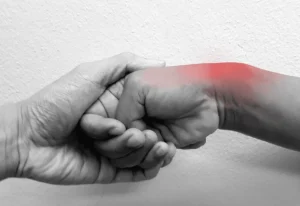
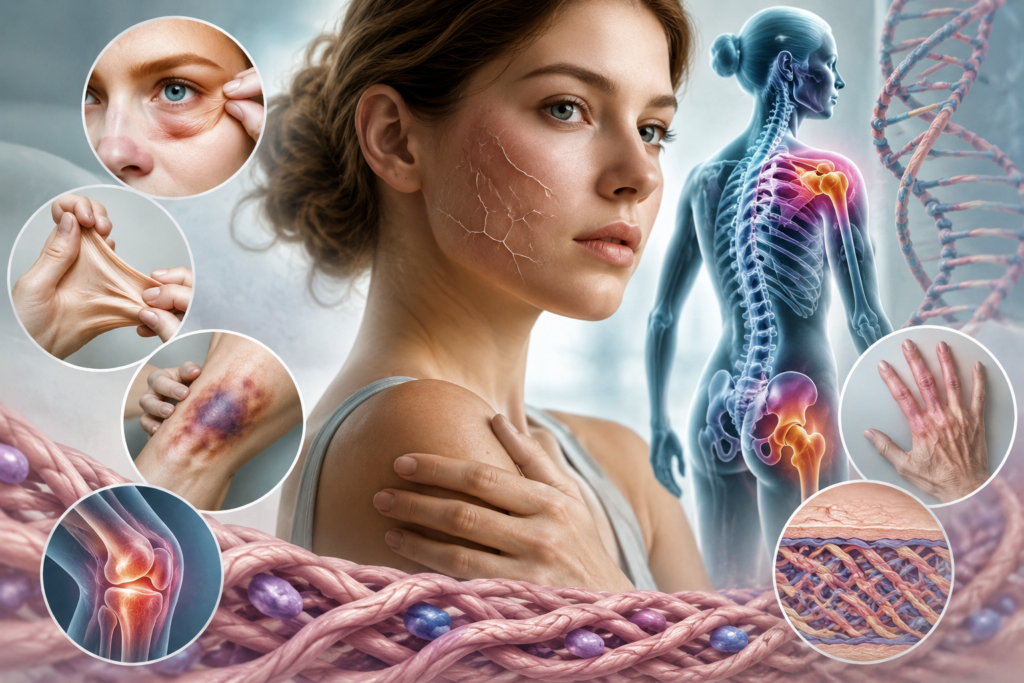
Collagen is the most abundant structural protein in the human body and is essential for maintaining the strength and integrity of the skin, bones, tendons, ligaments, blood vessels, and connective tissues. Disorders affecting collagen can lead to various musculoskeletal and systemic complications that Considerably impact quality of life.
Definition
Collagen disorders are a group of inherited or acquired conditions characterized by abnormalities in the production, structure, or function of collagen, resulting in weakened connective tissues and impaired organ function.
Etiology
The causes of collagen disorders include:
- Genetic mutations affecting collagen synthesis.
- Nutritional deficiencies, particularly vitamin C deficiency.
- Autoimmune diseases.
- Aging-related degeneration.
- Environmental factors and chronic inflammation.
- Metabolic disorders affecting connective tissue.
Clinical Features
Common clinical manifestations include:
- Joint hypermobility.
- Muscle weakness.
- Skin fragility and excessive elasticity.
- Recurrent joint sublaxation.
- Delayed wound healing.
- Chronic musculoskeletal pain.
- Skeletal deformities.
Signs and Symptoms
Patients with collagen disorders may experience:
- Joint pain and stiffness.
- Fatigue and decreased endurance.
- Easy bruising.
- Frequent sprains and ligament injuries.
- Soft, stretchy skin.
- Back and neck pain.
- Poor posture.
- Decreased functional mobility.
- Cardiovascular or respiratory involvement in severe cases.

Physiotherapy Management
Physiotherapy plays a crucial role in improving physical function and preventing complications.
Exercise Therapy
- Strengthening exercises for stabilizing muscles.
- Low-impact aerobic activities such as walking and swimming.
- Core stabilization exercises.
- Balance and coordination training.
Flexibility and Postural Training
- Gentle stretching exercises.
- Ergonomic education for daily activities.
- Postural correction techniques.
Pain Management
- Heat therapy and relaxation techniques.
- Transcutaneous Electrical Nerve Stimulation (TENS).
- Manual therapy
- Gait training.
- Activity modification.
- Prescription of braces or orthotic devices if required.
- Joint protection strategies.
- Avoidance of excessive strain and high-impact activities.
- Importance of maintaining a healthy lifestyle.
Complications
Untreated collagen disorders may result in:
- Chronic pain.
- Osteoarthritis.
- Recurrent joint instability.
- Functional disability.
- Frequent soft tissue injuries.
- Cardiovascular complications.
- Decreased quality of life.
Risk Factors
Factors increasing the risk include:
- Family history of connective tissue disorders.
- Genetic predisposition.
- Autoimmune diseases.
- Nutritional deficiencies.
- Advancing age.
- Chronic inflammatory conditions.
Conclusion
Collagen disorders encompass a diverse group of connective tissue diseases that affect multiple body systems. Early diagnosis, appropriate medical care, and a comprehensive physiotherapy program can help minimize symptoms, enhance physical function, and improve overall quality of life. Regular follow-up and patient education are essential for long-term management.
What are collagen disorders?
Answer: Collagen disorders are inherited or acquired conditions that affect the structure, production, or function of collagen, leading to weakened connective tissues.
What are the common symptoms of collagen disorders?
Answer: Common symptoms include joint hypermobility, muscle weakness, stretchy skin, delayed wound healing, joint pain, and chronic musculoskeletal pain.
How can physiotherapy help in collagen disorders?
Answer: Physiotherapy helps improve strength, balance, posture, mobility, and pain management while reducing the risk of complications and joint instability.
Need Personalized Guidance for Physiotherapy?
Our senior certified therapists at Aaziban Care Center provide customized 1-on-1 evaluation and treatment plans at our care centers.