
Introduction
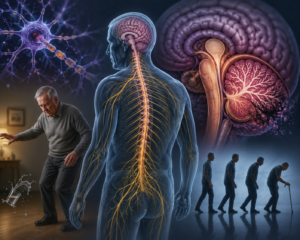
Dizziness is a common health complaint that affects people of all ages. It may cause a feeling of spinning, light-headedness, imbalance, or unsteadiness, making everyday activities difficult. While dizziness is not a disease itself, it is a symptom of various medical conditions involving the inner ear, brain, heart, or nervous system. Early identification and appropriate physiotherapy can remarkably improve balance, decreased falls, and restore confidence.
Definition
Dizziness is a broad term describing altered spatial orientation, including sensations of vertigo (spinning), disequilibrium (loss of balance), presyncope (feeling faint), or non-specific light-headedness. It may occur temporarily or become chronic depending on the underlying cause.
Etiology
The common causes of dizziness include:
- Benign Paroxysmal Positional Vertigo (BPPV)
- Ménière’s disease
- Vestibular neuritis and labyrinthitis
- Migraine-associated vertigo
- Stroke or transient ischemic attack (TIA)
- Low blood pressure (orthostatic hypotension)
- Cervical spine dysfunction (cervicogenic dizziness)
- Anxiety and panic disorders
- Medication side effects
- Dehydration and metabolic disorders
Clinical Features
Patients with dizziness may present with:
- Difficulty maintaining balance
- Sensation of movement or spinning
- Instability while walking
- Increased symptoms during head movement
- Decreased confidence in mobility
- Fear of falling
- Difficulty focusing vision during movement
- Functional limitations in daily activities
Signs and Symptoms
- Vertigo (spinning sensation)
- Unsteady gait
- Light-headedness
- Loss of balance
- Nausea and vomiting
- Ringing in the ears (tinnitus)
- Blurred vision
- Hearing loss (in vestibular disorders)
- Sweating
- Difficulty concentrating
- Frequent falls
- Headache in some neurological conditions

Physiotherapy Management
Physiotherapy plays an vital role in treating dizziness, particularly vestibular disorders.
- Comprehensive vestibular assessment
- Canalith repositioning manoeuvres (Epley and Semont techniques) for BPPV
- Vestibular rehabilitation exercises
- Gaze stabilization exercises
- Balance and postural control training
- Habituation exercises for motion sensitivity
- Gait training on different surfaces
- Cervical spine mobilization for cervicogenic dizziness
- Strengthening of lower limb muscles
- Fall prevention education
- Home exercise programme for long-term recovery
- Patient education regarding symptom management and activity modification
Complications
If left untreated, dizziness may lead to:
- Recurrent falls and injuries
- Fractures, especially in older adults
- Decreased physical activity
- Anxiety and depression
- Loss of independence
- Poor quality of life
- Fear of movement (kinesiophobia)
- Social isolation
Risk Factors
Several factors increase the likelihood of developing dizziness:
- Increasing age
- Previous vestibular disorders
- Migraine history
- Cardiovascular disease
- Diabetes mellitus
- Neck disorders
- Certain medications
- Ear infections
- Neurological diseases
- Poor vision
- Sedentary lifestyle
Conclusion
Dizziness can significantly affect mobility, independence, and overall quality of life. Accurate diagnosis is essential because treatment depends on the underlying cause. Physiotherapy, particularly vestibular rehabilitation, is highly effective in reducing dizziness, improving balance, preventing falls, and helping individuals safely return to their daily activities.
What is dizziness?
Answer: Dizziness is a symptom that causes a feeling of spinning, light-headedness, or loss of balance. It can result from problems in the inner ear, brain, heart, or nervous system.
What are the common symptoms of dizziness?
Answer: Common symptoms include vertigo, unsteady walking, light-headedness, nausea, blurred vision, ringing in the ears, and frequent falls.
How can physiotherapy help with dizziness?
Answer: Physiotherapy helps by improving balance, reducing dizziness through vestibular rehabilitation exercises, preventing falls, and restoring confidence in daily activities.
Need Personalized Guidance for Physiotherapy?
Our senior certified therapists at Aaziban Care Center provide customized 1-on-1 evaluation and treatment plans at our care centers.