Introduction
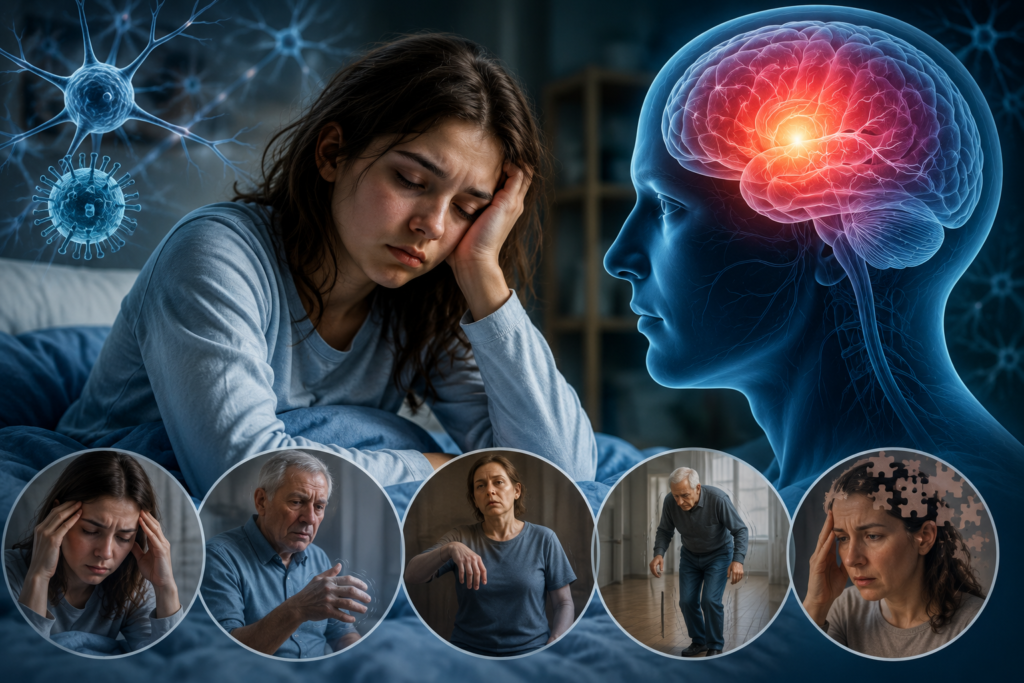
Encephalitis lethargica is a rare neurological disorder characterized by inflammation of the brain. It gained worldwide attention during the epidemic that occurred between 1916 and 1927, although only sporadic cases have been reported since then. The disease primarily affects areas of the brain responsible for movement, sleep, behavior, and cognition. Individuals may develop excessive sleepiness, movement disorders, and psychiatric symptoms. Because the condition can lead to long-term neurological disability, early diagnosis, appropriate medical treatment, and comprehensive rehabilitation are essential for improving recovery and quality of life.
Definition
Encephalitis lethargica is an inflammatory disease of the central nervous system that causes damage to specific regions of the brain involved in sleep regulation, motor control, and cognitive function. While its exact cause remains uncertain, current evidence suggests that immune-mediated inflammation, possibly triggered by infections, plays an important role.
Etiology
- Autoimmune response following infection
- Post-infectious inflammatory reaction
- Suspected viral infections
- Immune system dysfunction
- Idiopathic (unknown cause) in many patients
- Genetic susceptibility
Clinical Features
- Excessive daytime sleepiness
- Memory and attention problems
- Slow body movements
- Muscle stiffness
- Personality and behavioral changes
- Difficulty maintaining balance
- Decreased ability to perform daily activities
- Speech impairment
Signs and Symptoms
- Persistent drowsiness or lethargy
- Tremors
- Muscle rigidity
- Bradykinesia (slow movements)
- Eye movement abnormalities
- Anxiety or depression
- Confusion and disorientation
- Difficulty speaking or swallowing
- Poor balance and coordination
- Generalized weakness and fatigue
Physiotherapy Management
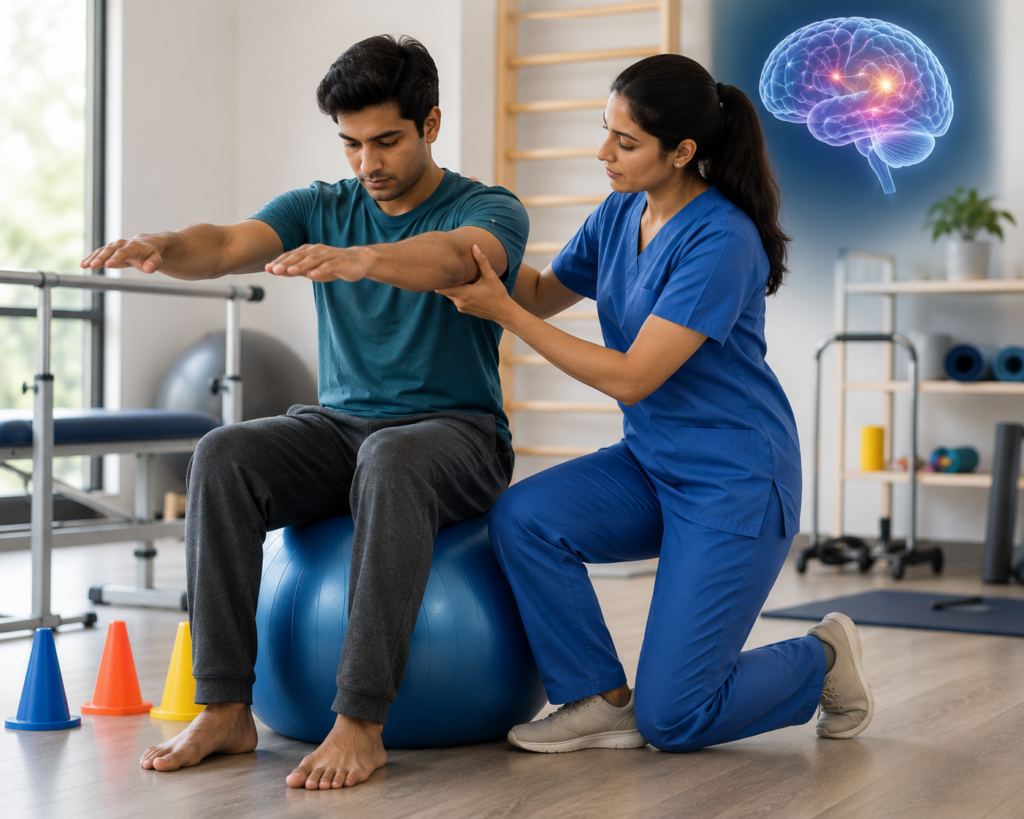
- Assess posture, gait, balance, muscle strength, and functional mobility.
- Perform range-of-motion exercises to maintain joint flexibility.
- Provide gait training to enhance walking ability and decreased fall risk.
- Prescribe progressive strengthening exercises to improve muscle function.
- Teach posture correction techniques to improve body alignment.
- Include balance and coordination exercises for improved stability.
- Introduce endurance training to increase physical capacity.
- Practice functional task training for activities of daily living.
- Educate caregivers regarding safe mobility, transfers, and home exercise programs.
- Collaborate with neurologists, occupational therapists, and speech therapists to achieve comprehensive rehabilitation.
Complications
- Parkinsonism
- Persistent movement disorders
- Chronic muscle stiffness
- Cognitive impairment
- Swallowing difficulties
- Functional disability
- Increased risk of falls
- decreased quality of life
- Long-term neurological deficits
Risk Factors
- Previous viral infections
- Autoimmune diseases
- Immune system abnormalities
- History of neurological inflammation
- Delayed diagnosis and treatment
- Middle-aged adults, although any age group can be affected
Conclusion
Encephalitis lethargica is a rare but potentially disabling neurological condition requiring early recognition and multidisciplinary management. Medical treatment combined with physiotherapy rehabilitation helps improve mobility, muscle strength, balance, posture, and independence. Individualized rehabilitation programs, caregiver education, and regular follow-up are essential for achieving the best possible functional recovery and enhancing long-term quality of life.
What is Encephalitis lethargica?
Answer: Encephalitis lethargica is a rare brain inflammation that affects sleep, movement, behavior, and cognitive function.
What are the common symptoms of Encephalitis lethargica?
Answer: Common symptoms include excessive sleepiness, muscle stiffness, slow movements, tremors, confusion, memory problems, and poor balance.
How does physiotherapy help in Encephalitis lethargica?
Answer: Physiotherapy improves muscle strength, balance, walking ability, posture, mobility, and independence while reducing the risk of falls.
Need Personalized Guidance for Physiotherapy?
Our senior certified therapists at Aaziban Care Center provide customized 1-on-1 evaluation and treatment plans at our care centers.