Introduction
Trochanteric Bursitis is a common cause of lateral hip pain, especially in adults and older individuals. It affects mobility, sleep, and daily activities due to inflammation of the bursae around the greater trochanter. Early identification and Correct physiotherapy intervention significantly decreases pain and stops chronic disability.
Definition
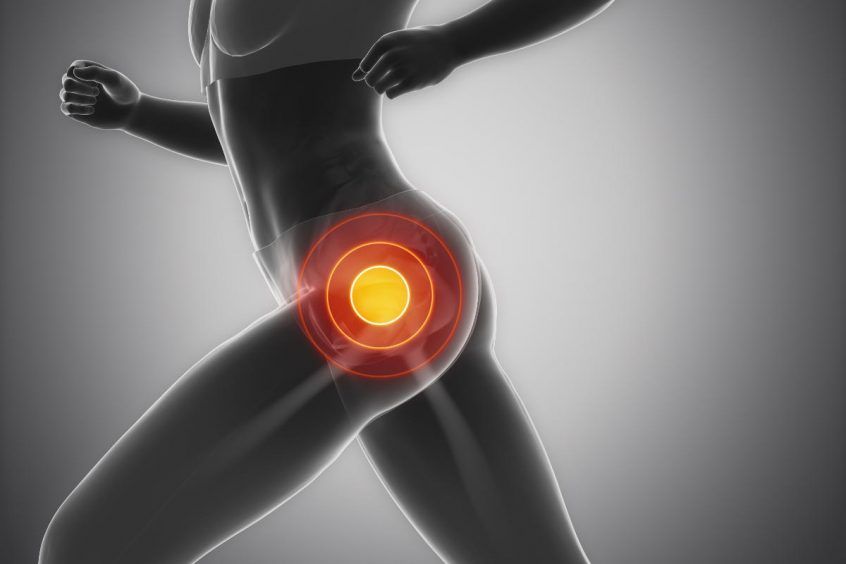
Trochanteric Bursitis is the inflammation of the bursa located over the greater trochanter of the femur. The bursa functions as a cushion between the gluteal tendons and the bone, decreasing friction during hip movements. When irritated by excessive stress or trauma, it becomes inflamed, resulting in pain on the outer aspect of the hip.
Etiology
- Overuse & Repetitive Stress: Activities involving frequent hip abduction or running on Irregular surfaces.
- Trauma: a direct impact or a fall on the lateral hip.
- Muscle Imbalances: Tight iliotibial band (ITB) or weak hip abductors. Enlarge the friction on the bursa.
- Postural Abnormalities: Leg length discrepancy and poor biomechanics.
- Medical Conditions: Rheumatoid arthritis, lumbar spine issues, and obesity are increasing the mechanical load.
- Post-Surgical Causes: Following hip surgery or Inappropriate rehabilitation.
Signs and Symptoms
- Sharp or aching pain over the lateral hip, worsening with activity.
- Tenderness on palpation over the greater trochanter.
- Pain while lying on the affected side.
- Increased discomfort during climbing stairs, rising from a chair, or prolonged standing.
- Hip stiffness and reduced range of motion in severe cases.
- Pain radiating down the lateral thigh, but not past the knee.

Physiotherapy Management
- Pain Relief Techniques: Ice application, ultrasound therapy, and TENS to reduce inflammation.
- Strengthening: Gluteus medius, gluteus maximus, and core stabilization to improve hip stability.
- Stretching Exercises: Focus on the IT band, gluteal muscles, hip flexors, and piriformis to decrease tension.
- Activity Modification: Avoiding aggravating movements, maintaining posture, and ergonomic guidance.
- Gait Training: Addressing abnormal walking patterns and upgrading functional mobility.
- Manual Therapy: Myofascial release and soft-tissue mobilization around the hip structures.
- Education: Importance of weight management and appropriate warm-up before activities.
Conclusion
Trochanteric Bursitis is a treatable condition when identified early and treated productively. Physiotherapy plays a crucial role in decreasing pain, correcting biomechanical issues, and restoring functional movement. Consistent rehabilitation and lifestyle modifications help prevent recurrence and promote long-term hip health.
What is Trochanteric Bursitis?
Trochanteric Bursitis is the inflammation of the bursa over the greater trochanter, causing pain on the outer side of the hip.
What are the common symptoms of Trochanteric Bursitis?
Common symptoms include lateral hip pain, tenderness over the greater trochanter, pain while lying on the affected side, and hip stiffness.
How does physiotherapy help in managing Trochanteric Bursitis?
Physiotherapy reduces pain, improves hip stability, restores mobility through strengthening, stretching, manual therapy, and activity modification
Need Personalized Guidance for Physiotherapy?
Our senior certified therapists at Aaziban Care Center provide customized 1-on-1 evaluation and treatment plans at our care centers.