Introduction
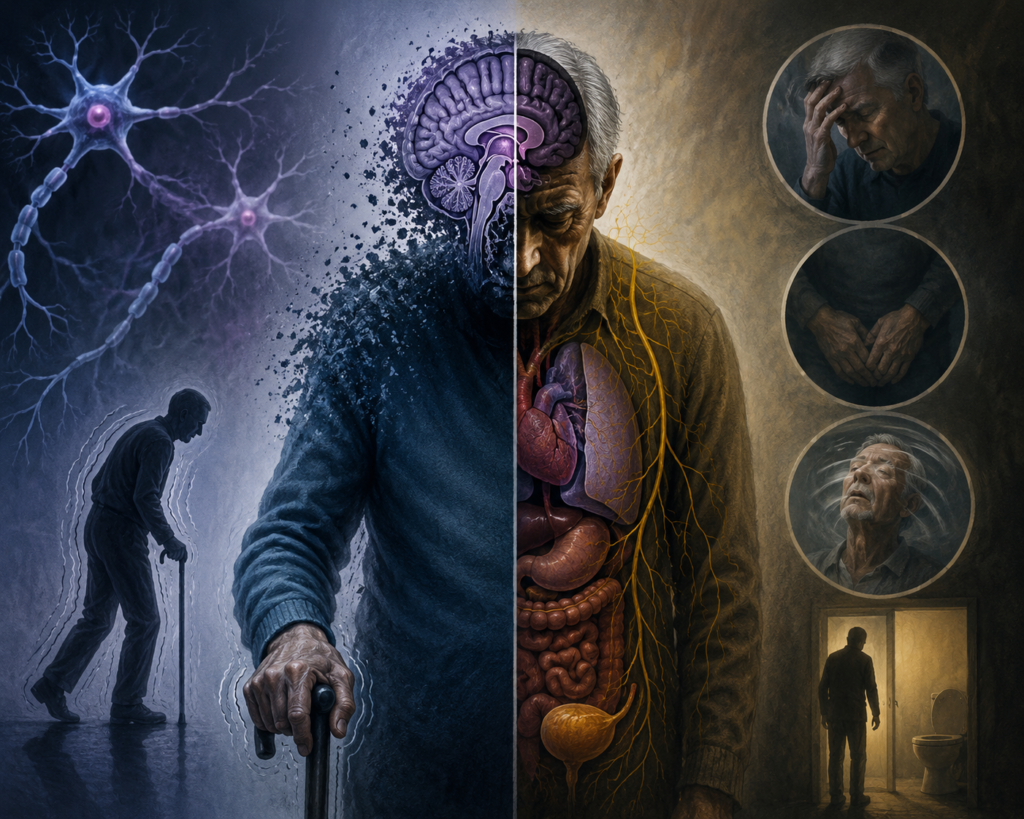
Multiple System Atrophy (MSA) is a rare, progressive neurodegenerative disorder that affects movement, balance, and autonomic nervous system functions. It is characterized by a combination of Parkinsonian features, cerebellar dysfunction, and autonomic failure. Early recognition and supportive rehabilitation play a vital role in improving quality of life.
Definition
Multiple System Atrophy is an adult-onset neurodegenerative disease marked by widespread neuronal loss and glial cytoplasmic inclusions, leading to motor impairment and autonomic dysfunction.
Etiology
The exact cause of Multiple System Atrophy is unknown. However, it is associated with abnormal accumulation of alpha-synuclein protein within oligodendrocytes. Contributing factors may include:
Genetic susceptibility
Environmental triggers
Neuroinflammatory processes
Clinical Features
Clinical presentation varies but commonly includes:
- Parkinsonian symptoms: rigidity, bradykinesia, postural instability
- Cerebellar signs: gait ataxia, limb incoordination, dysarthria
- Autonomic dysfunction: orthostatic hypotension, urinary incontinence, erectile dysfunction
- Speech and swallowing difficulties
- Muscle stiffness and tremors
- Progressive balance impairment and frequent falls
Classification
Multiple System Atrophy is classified into two main types based on predominant symptoms:
- MSA-P (Parkinsonian type): Dominated by rigidity, slowness of movement, and postural instability
- MSA-C (Cerebellar type): Predominantly features cerebellar ataxia, coordination problems, and gait disturbances

Physiotherapy Management
Physiotherapy focuses on maintaining mobility, decreasing complications, and improving functional independence:
- Balance and gait training to reduce fall risk
- Strengthening exercises for postural and limb muscles
- Flexibility exercises to reduce rigidity and stiffness
- Coordination training for ataxia
- Breathing exercises to improve respiratory function
- Functional training for transfers and activities of daily living
- Use of assistive devices and caregiver education
Early and regular physiotherapy intervention helps slow functional decline and enhances safety.
Conclusion
Multiple System Atrophy is a progressive and disabling neurological condition with no curative treatment. A multidisciplinary approach, including physiotherapy, is essential to manage symptoms, preserve mobility, and improve quality of life. Timely rehabilitation and supportive care play an indispensable role in patient well-being.
Q1. What is Multiple System Atrophy (MSA)?
A. Multiple System Atrophy is a rare, progressive neurodegenerative disorder causing movement problems, balance impairment, and autonomic nervous system dysfunction.
Q2. What are the main clinical features of MSA?
A. MSA presents with Parkinsonian symptoms, cerebellar ataxia, autonomic dysfunction, speech and swallowing difficulties, and frequent falls.
Q3. How does physiotherapy help in Multiple System Atrophy?
A. Physiotherapy improves balance, mobility, strength, coordination, and safety, helping slow functional decline and enhance quality of life.
Need Personalized Guidance for Physiotherapy?
Our senior certified therapists at Aaziban Care Center provide customized 1-on-1 evaluation and treatment plans at our care centers.