





Fracture of the Patella: From Trauma to Mobility

admin ajax (2) (2)

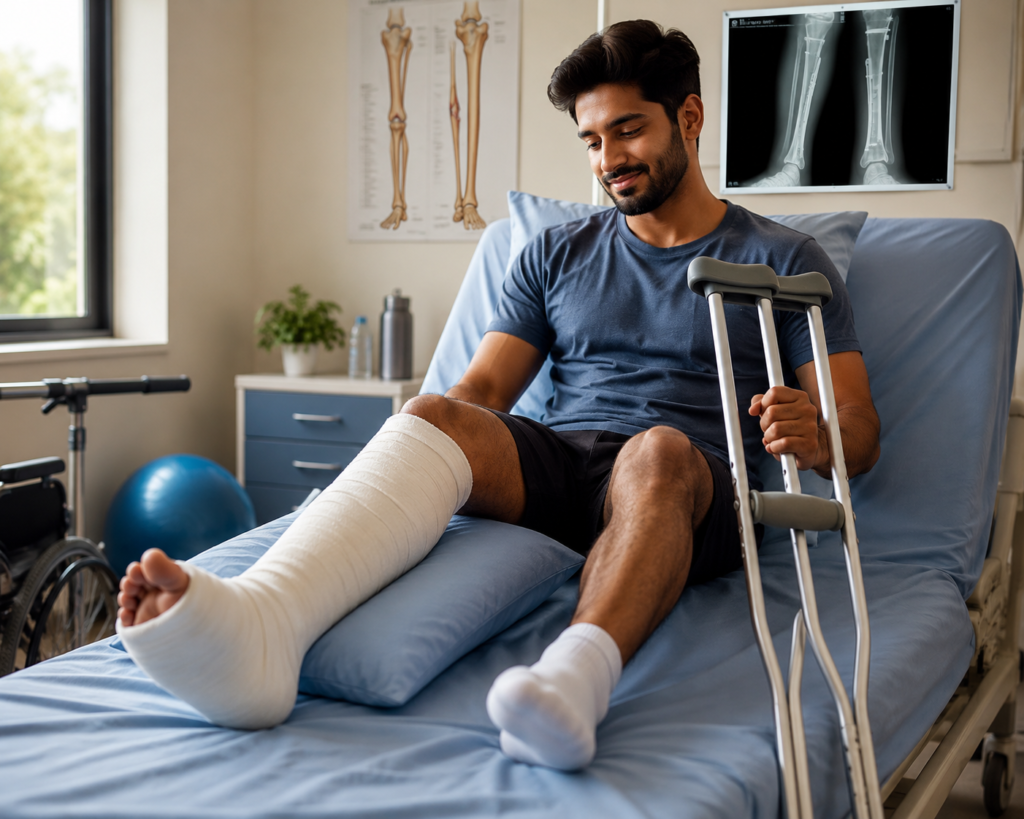
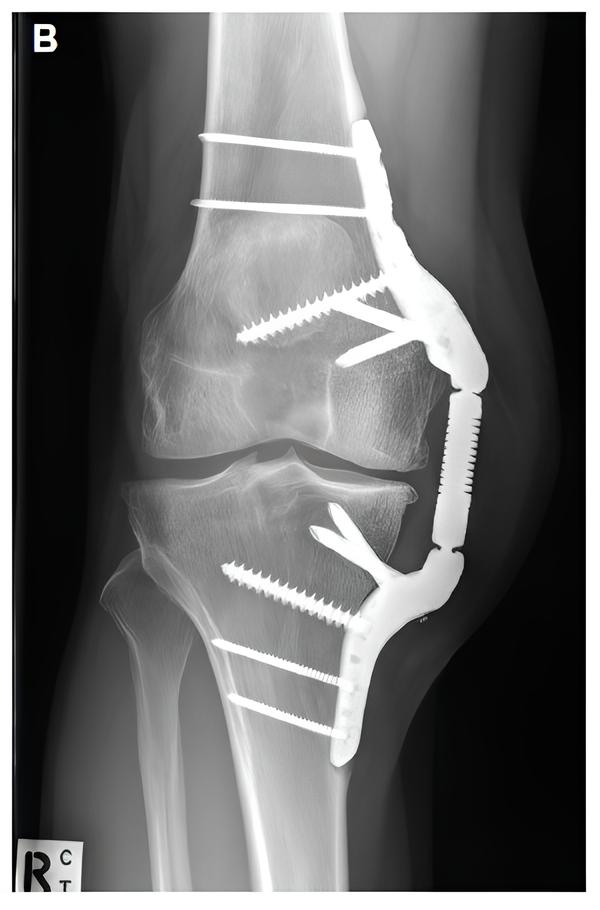
Introduction A Fracture of the Patella refers to a break in the kneecap, a small but crucial bone that protects the knee joint and improves the efficiency of the quadriceps muscle. Patellar fractures can remarkably impair knee extension and walking ability. Early diagnosis and structured physiotherapy are essential for optimal functional recovery. Mechanism of Injury …

Fracture of the Patella: From Trauma to Mobility Read More »

Pelvic Fractures

Fracture of the Pelvis

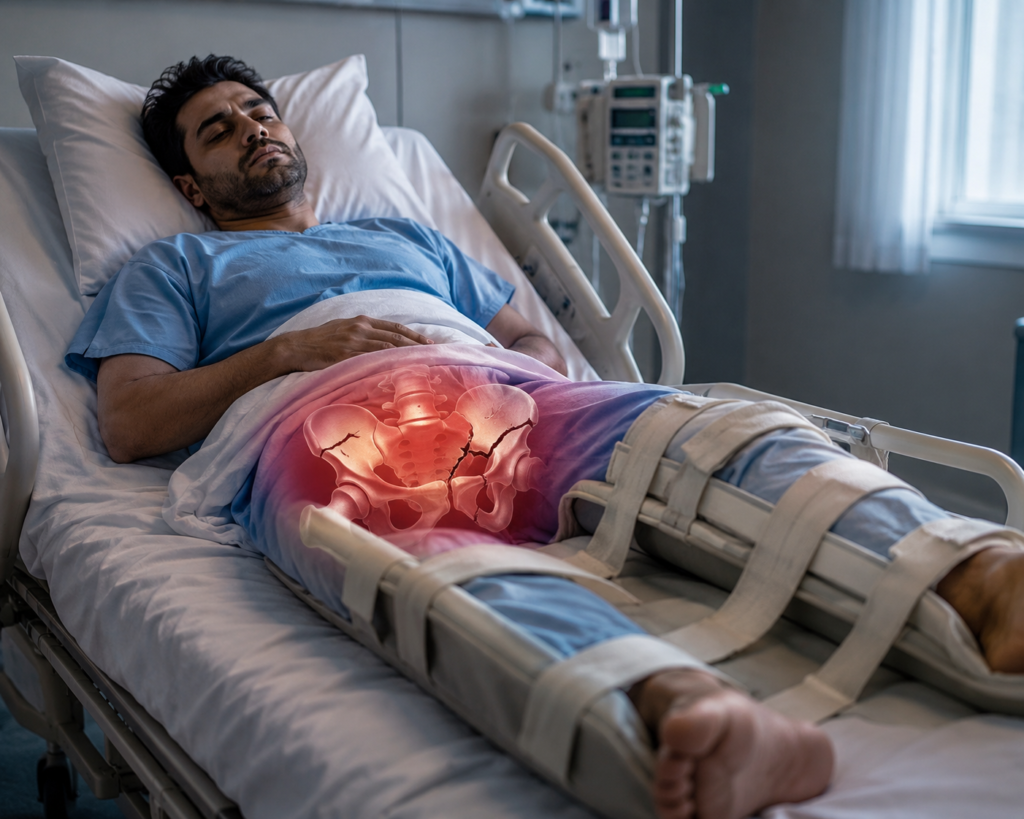
Introduction Pelvic Fractures involves a break in one or more pelvic bones, including the ilium, ischium, pubis, or sacrum. Pelvic fractures range from stable, low-energy injuries to complex, life-threatening trauma. Proper medical care and early physiotherapy are essential for restoring mobility and preventing long-term disability. Etiology Clinical Features Physiotherapy Management Acute Phase: Rehabilitation Phase: Functional …

Pelvic Fractures Read More »

Screen Time and Speech Delay: Evidence-Based Insights on Developmental Impact

Speech Delay

Developmental delays in young children – especially in speech and language – have increasingly been linked to excessive use of mobile devices. Multiple studies suggest a significant association between high mobile-screen exposure and Speech Delay, comprehension, and overall language development. One large-scale Danish study of over 31,000 children found that toddlers who spent one hour …

Screen Time and Speech Delay: Evidence-Based Insights on Developmental Impact Read More »

Colles’ Fracture: From Injury to Functional Recovery

admin ajax (1)

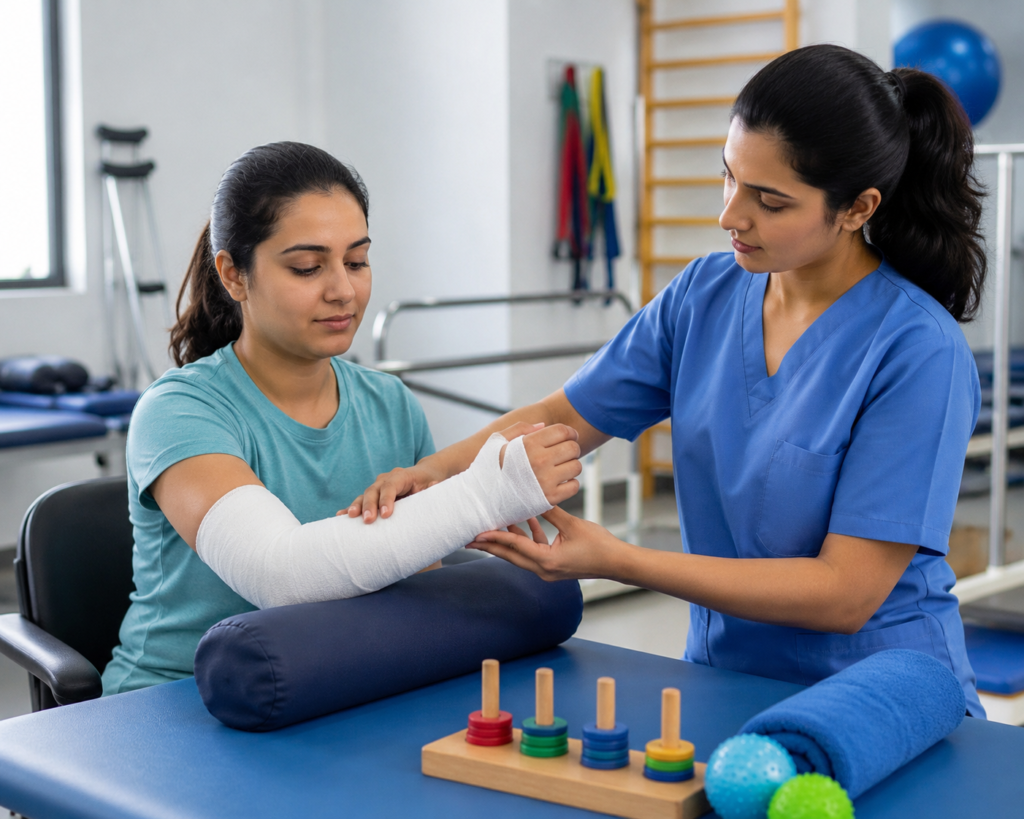
Introduction Colles’ Fracture is one of the most common fractures of the wrist, especially seen in elderly individuals and post-menopausal women. It involves a break in the distal end of the radius and can significantly affect hand function if not treated and rehabilitated properly. Early physiotherapy plays a vital role in restoring mobility and strength. …

Colles’ Fracture: From Injury to Functional Recovery Read More »

Fracture of the Radius and Ulna

Fracture of the Radius and Ulna

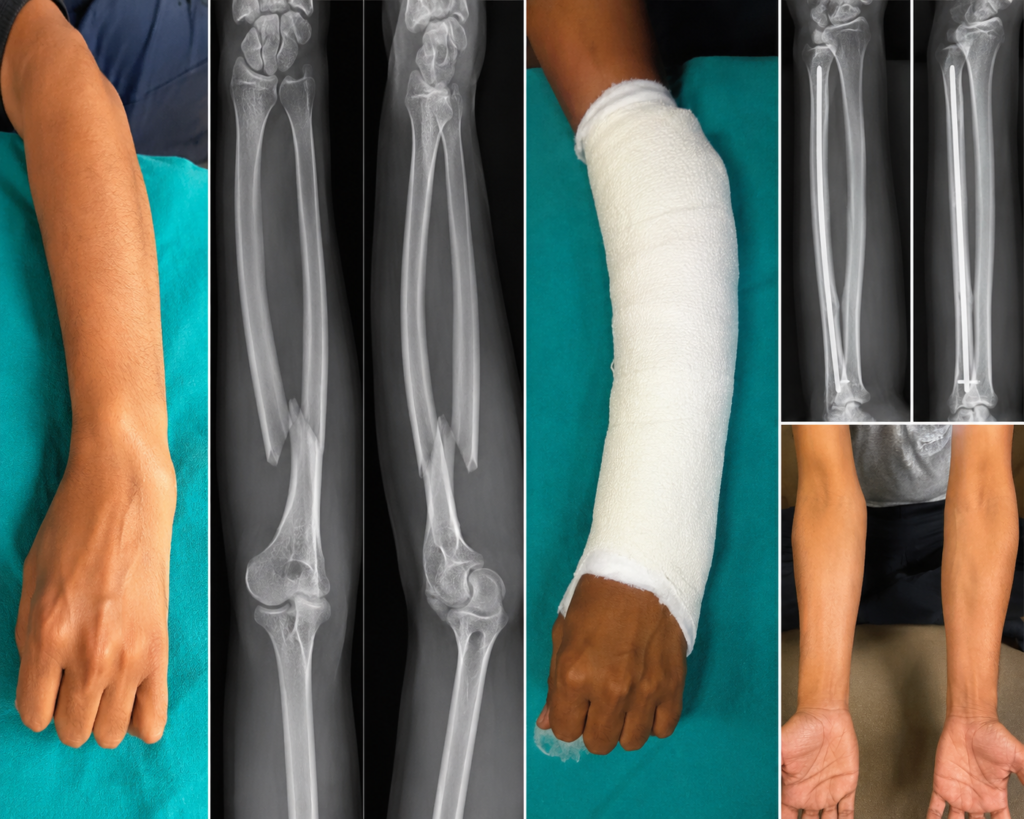
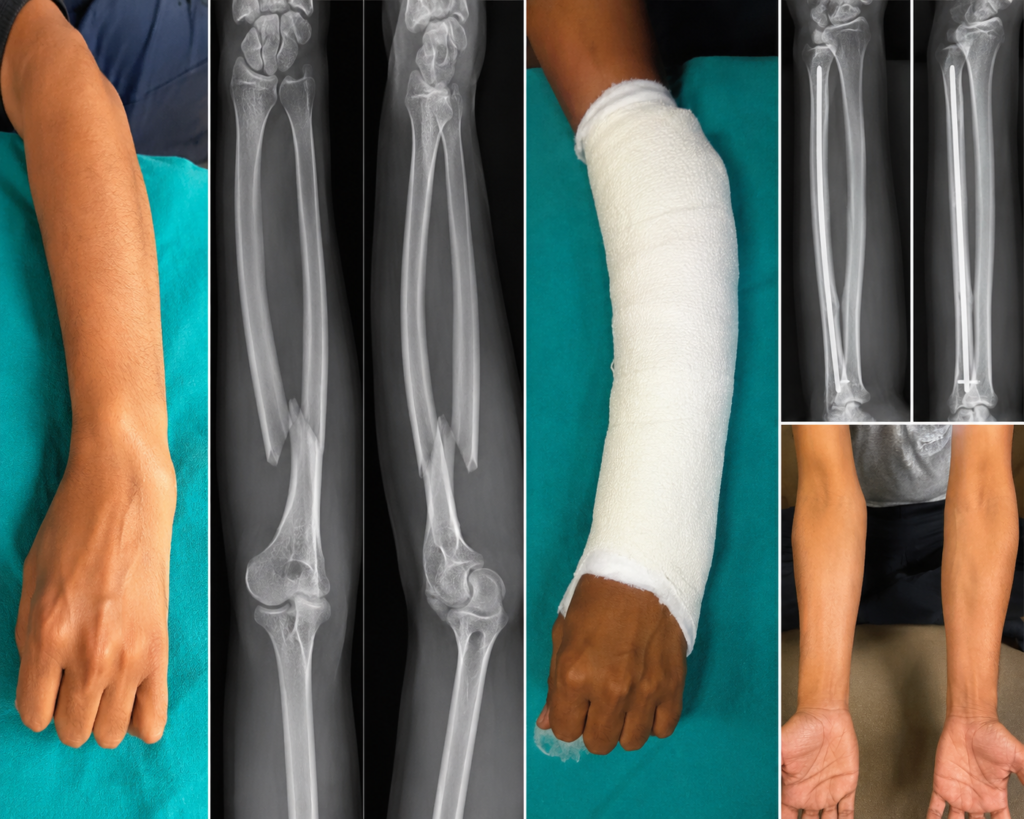
Introduction Fracture of the Radius and Ulna refers to a break involving one or both bones of the forearm. These injuries are common in children and adults and can significantly affect hand, wrist, and elbow function. Early diagnosis and suitable rehabilitation are essential for optimal recovery. Mechanism of Injury Classification Based on Anatomical Location  Based …

Fracture of the Radius and Ulna Read More »

Supracondylar Fracture of the Humerus

Supracondylar Fracture of the Humerus

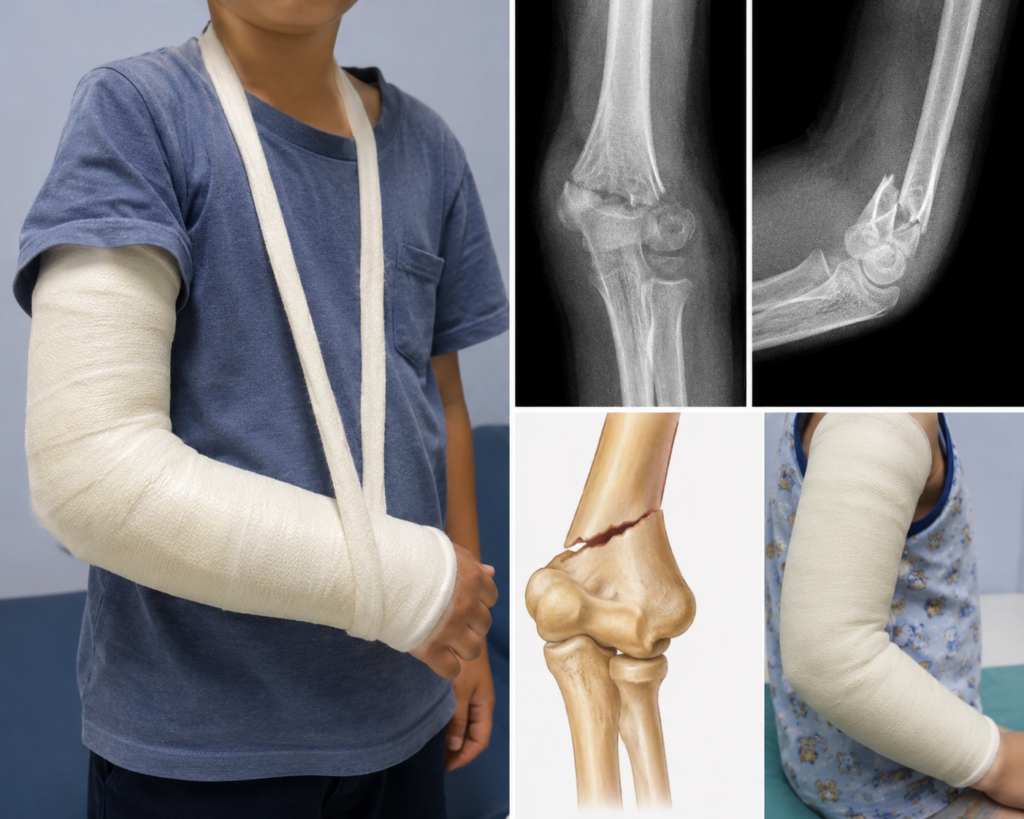
Introduction Supracondylar Fracture of the Humerus is a common elbow injury, especially in children. It occurs just above the elbow joint and can remarkably affect arm function if not managed properly.Early diagnosis and timely physiotherapy are crucial for optimal recovery. Mechanism of Injury Signs and Symptoms Classification Undisplaced Fracture Displaced Fracture with Intact Posterior Cortex …

Supracondylar Fracture of the Humerus Read More »

Aphasia: Understanding the Condition and Its Management

Aphasia

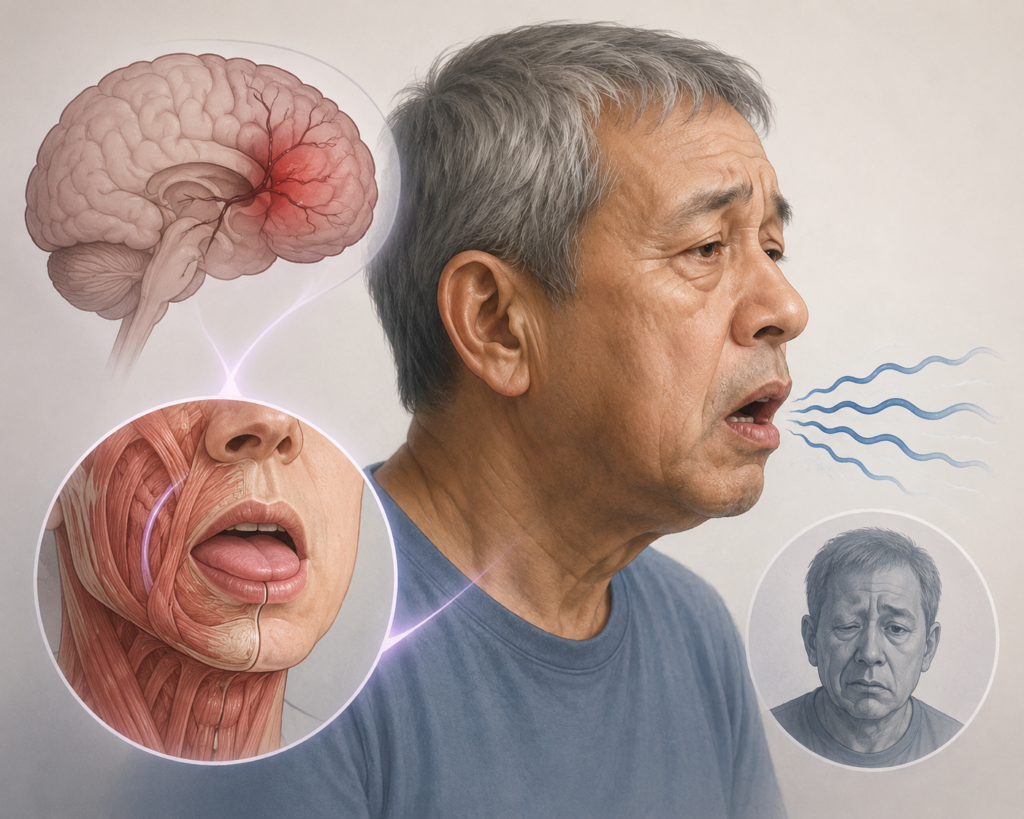
Aphasia is a communication disorder that affects a person’s ability to speak, understand language, read, or write. It occurs due to damage to the language centers of the brain, most commonly following a stroke, head injury, brain tumor, or neurological disease. It does not affect intelligence; rather, it impacts how language is processed and expressed. …

Aphasia: Understanding the Condition and Its Management Read More »

Fracture of the Neck of Humerus

admin ajax (3) (1)

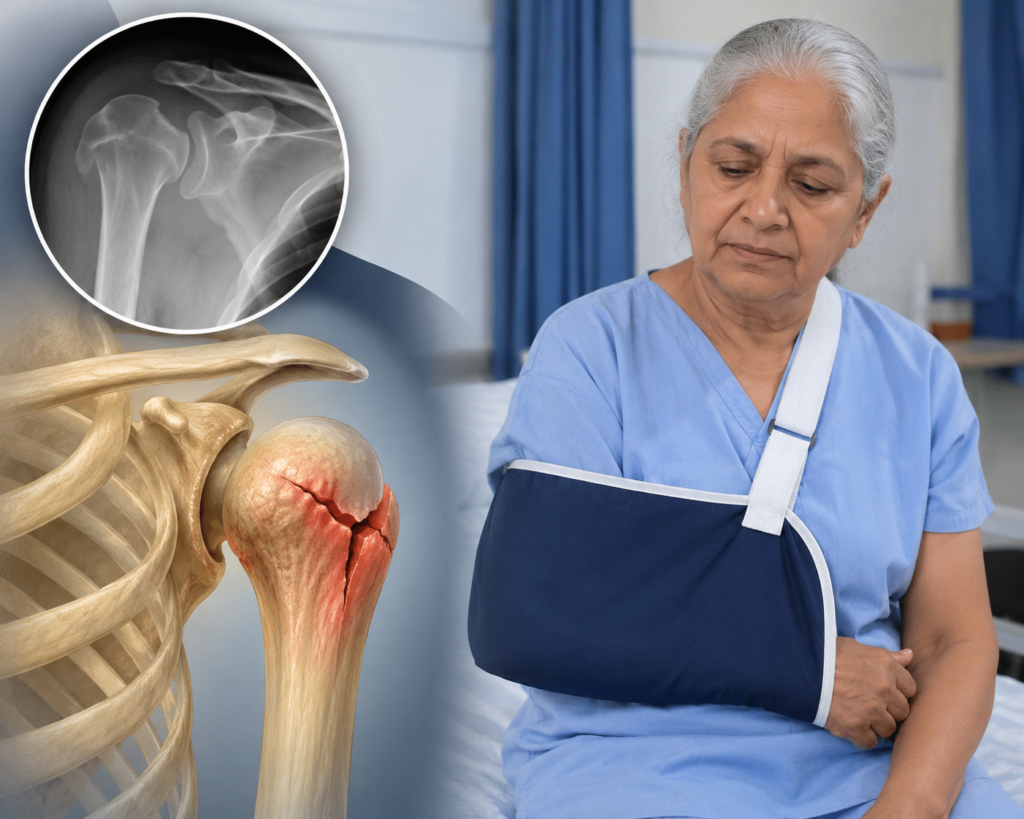
Introduction Fracture of the neck of the humerus is a common upper-limb injury, especially in elderly individuals with osteoporosis and in younger adults following high-energy trauma. It involves a break near the proximal end of the humerus, close to the shoulder joint, and can significantly affect shoulder mobility and function. Early diagnosis and appropriate physiotherapy …

Fracture of the Neck of Humerus Read More »

Posterior Dislocation of the Shoulder Joint

Posterior Dislocation of the Shoulder Joint

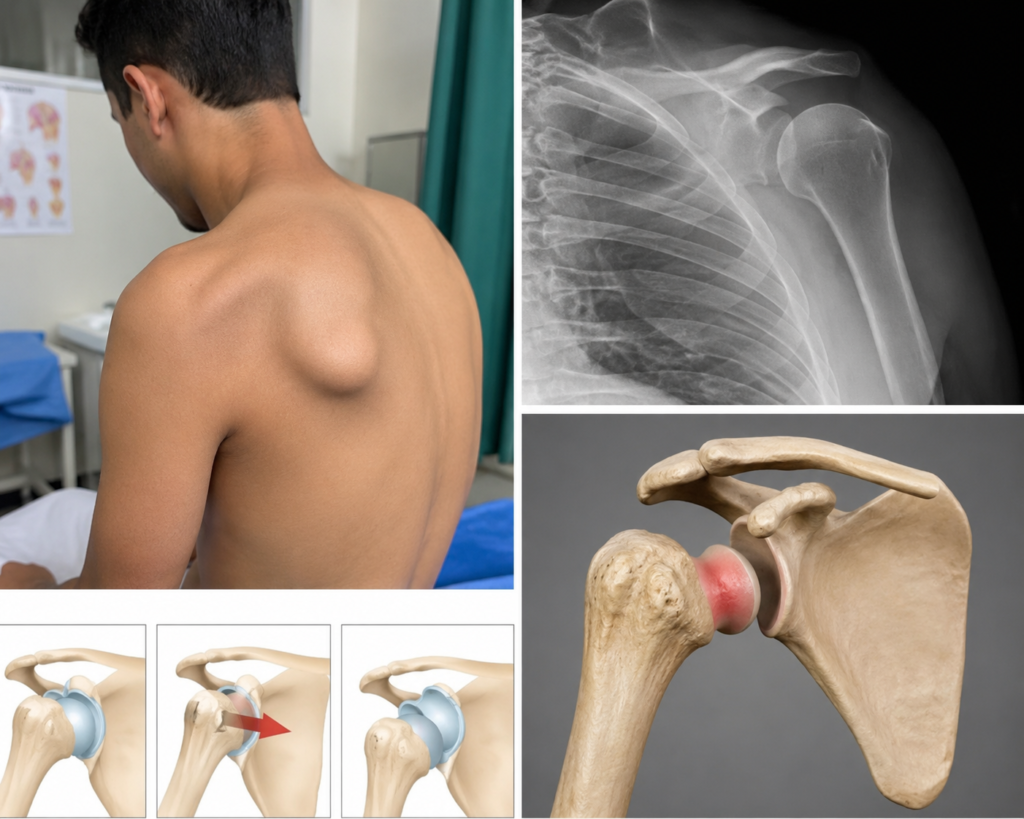
Introduction Posterior Shoulder Dislocation is a relatively rare but often overlooked injury, accounting for a small percentage of shoulder dislocations. Due to subtle clinical signs and atypical presentation, delayed diagnosis is common. Early recognition and appropriate rehabilitation are essential to restore shoulder stability and function. Definition Posterior dislocation of the shoulder occurs when the head …

Posterior Dislocation of the Shoulder Joint Read More »

Anterior Dislocation of the Shoulder Joint

admin ajax (2) (1)

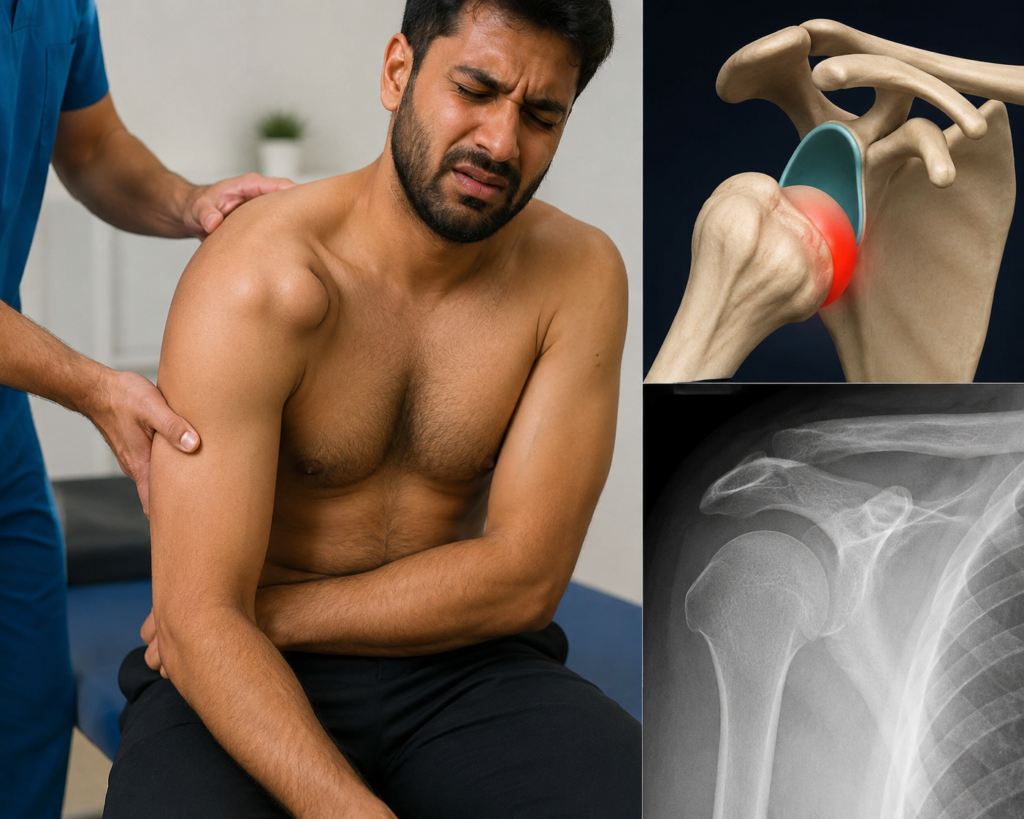
Introduction Anterior dislocation of the Shoulder Joint is one of the most frequent joint dislocations experienced in clinical practice. Early diagnosis, prompt reduction, and appropriate rehabilitation are essential to restore function and prevent recurrence. Definition Anterior dislocation of the shoulder occurs when the head of the humerus is displaced forward out of the glenoid fossa. …

Anterior Dislocation of the Shoulder Joint Read More »

Fracture of the Clavicle

Fracture of the Clavicle

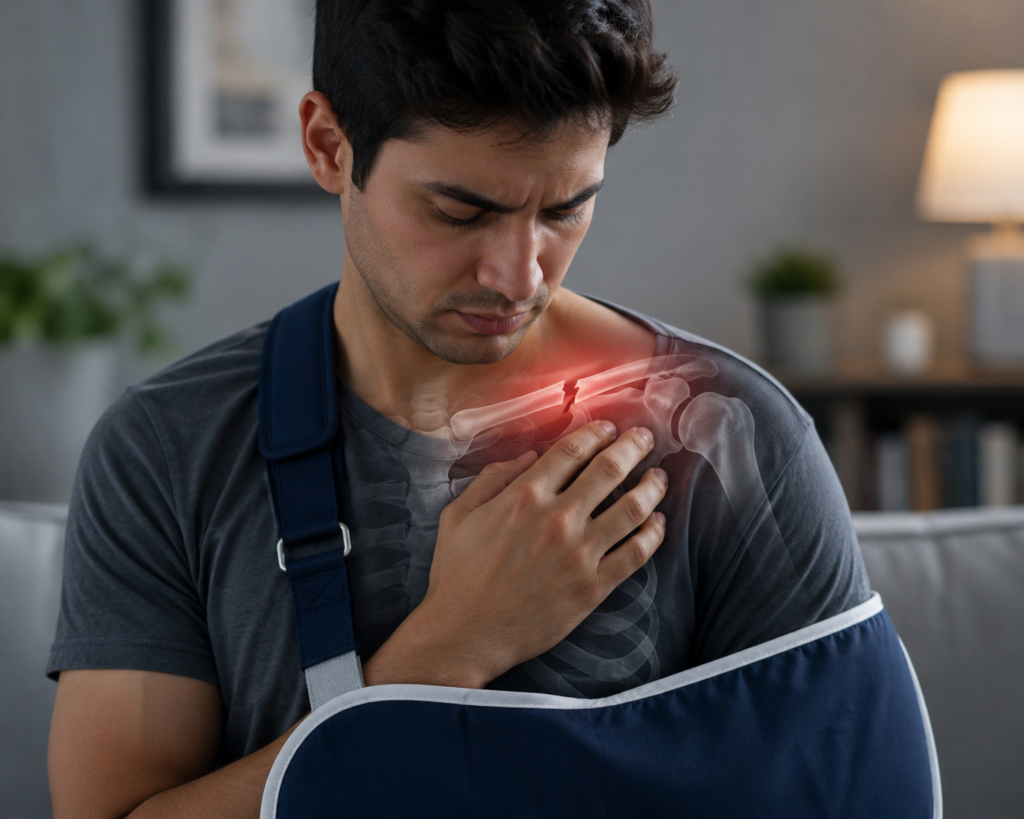
Introduction Fracture of the Clavicle is among the most common skeletal injuries, particularly in children, young adults, and athletes. The clavicle plays a vital role in shoulder stability and upper limb movement; hence, its fracture can significantly affect arm function and daily activities. Early diagnosis and proper rehabilitation ensure optimal recovery. Definition A clavicle fracture …

Fracture of the Clavicle Read More »

Fracture of the Scapula: Mechanism of Injury and Functional Recovery

admin ajax (1)

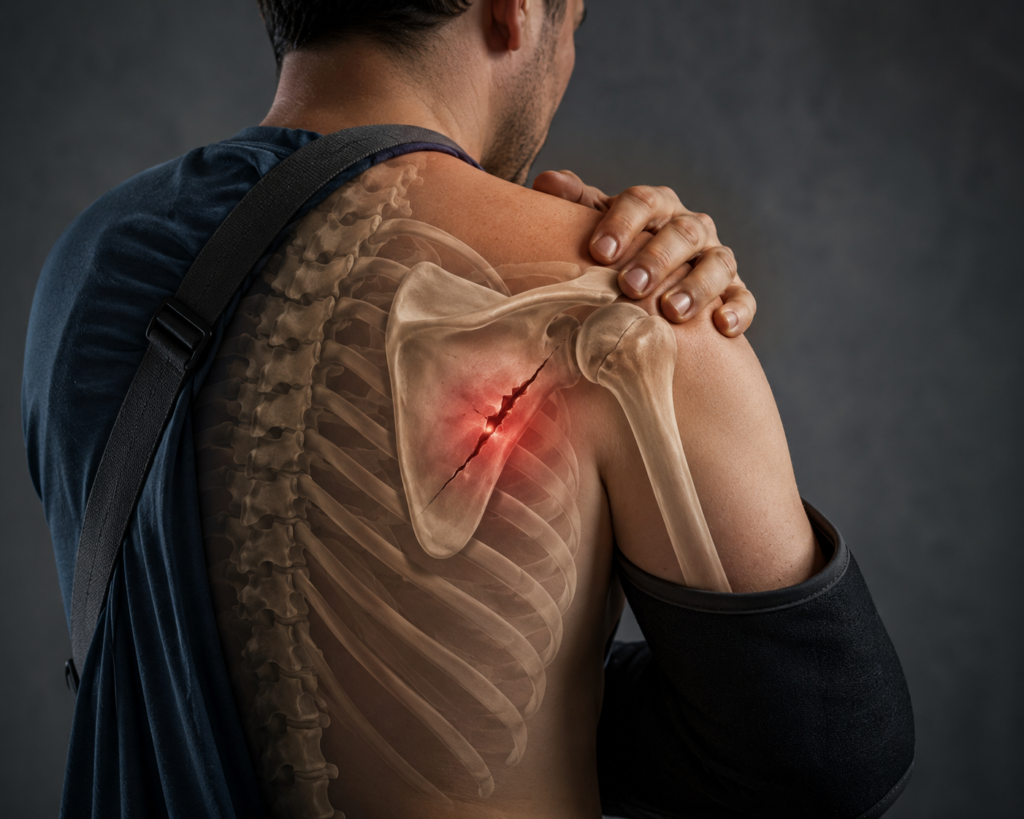
Introduction Fracture of the Scapula is an uncommon injury, accounting for a small percentage of all fractures due to the bone’s protected position within surrounding muscles and the thoracic cage. It usually results from high-energy trauma and is often associated with other serious injuries. Early diagnosis and appropriate rehabilitation are essential for optimal shoulder function. …

Fracture of the Scapula: Mechanism of Injury and Functional Recovery Read More »