
Introduction
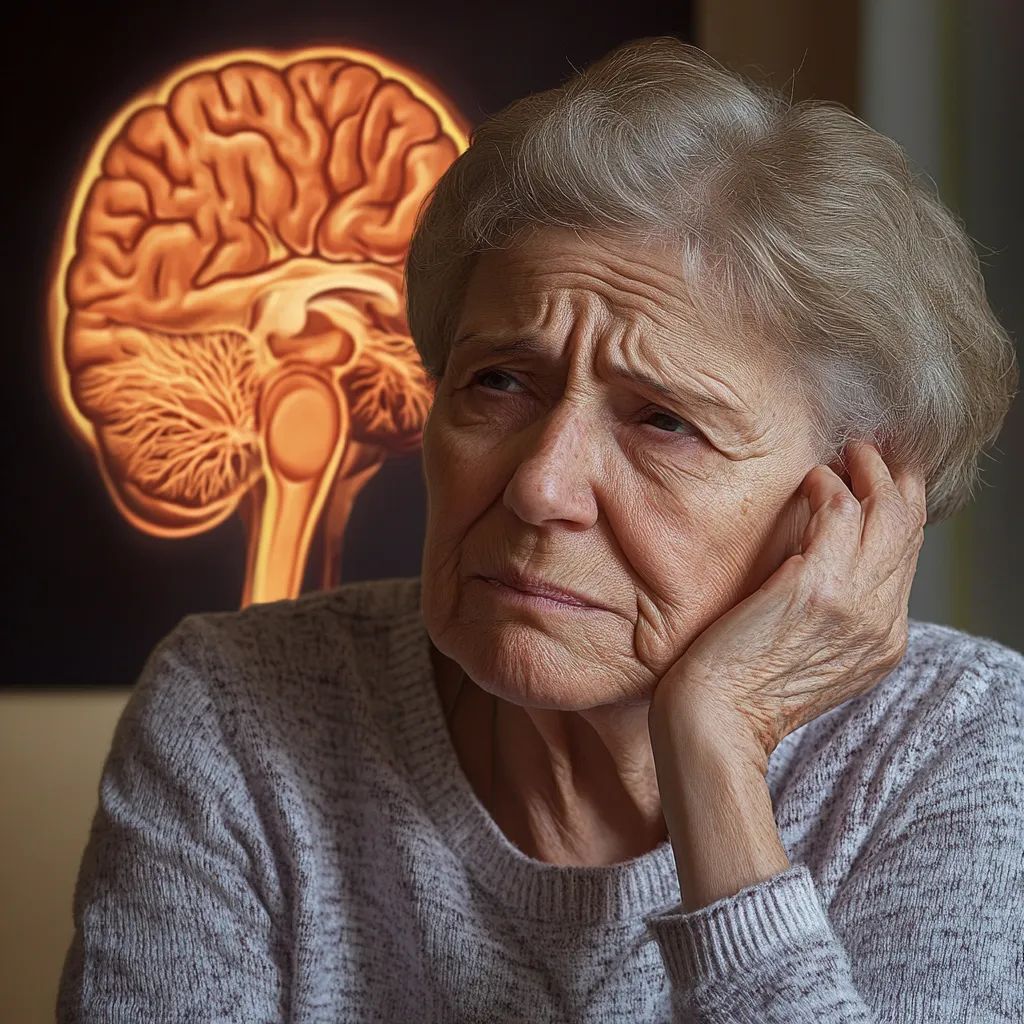
Dementia is a progressive neurological condition that affects memory, thinking, behavior, and the ability to perform daily activities. It is more common in older adults but is not a normal part of aging. Early identification and supportive rehabilitation play an significant role in improving quality of life and functional independence.
Definition
Dementia is a clinical syndrome characterized by a gradual decline in cognitive functions such as memory, language, problem-solving, and judgment, severe enough to interfere with daily living and social functioning.
Etiology
The causes of dementia vary depending on the type and include:
- Neurodegenerative disorders (e.g., Alzheimer’s disease)
- Traumatic brain injury
- Vascular damage due to stroke or chronic hypertension
- Infections affecting the brain
- Nutritional deficiencies (vitamin B12 deficiency)
- Chronic alcohol abuse
- Genetic and age-related factors
Clinical Features
Common clinical features of dementia include:
- Memory loss, especially of recent events
- Impaired reasoning and judgment
- Difficulty in communication and language
- Disorientation to time, place, or person
- Behavioral changes such as agitation, anxiety, or depression
- Decreased ability to perform activities of daily living
- Poor balance and increased risk of falls in advanced stages
Classification
It can be classified as:
- Alzheimer’s disease dementia – Most common, progressive memory loss
- Vascular dementia – Caused by impaired blood flow to the brain
- Lewy body dementia – Associated with hallucinations and movement problems
- Frontotemporal dementia – Affects behavior and personality
- Mixed dementia – Combination of two or more types

Physiotherapy Management
Physiotherapy focuses on maintaining physical function and preventing complications:
- Balance and gait training to reduce fall risk
- Strengthening and flexibility exercises
- Functional task training for daily activities
- Postural correction and mobility exercises
- Breathing exercises to improve endurance
- Cognitive-motor dual-task activities
- Education for caregivers on safe mobility and positioning
Regular, simple, and structured exercise programs help slow physical decline and enhance overall well-being.
Conclusion
It is a multiplex and progressive condition that significantly affects cognitive and physical abilities. While there is no cure, early diagnosis, medical management, and physiotherapy interventions can help maintain mobility, independence, and quality of life. A multidisciplinary approach is essential for optimal care.
Q1. What is dementia and how does it affect daily life?
A. Dementia is a progressive neurological condition causing memory loss, cognitive decline, and difficulty performing daily activities and social functions.
Q2. What are the common causes of dementia?
A. Dementia may result from Alzheimer’s disease, vascular damage, brain injury, infections, nutritional deficiencies, chronic alcohol abuse, and aging-related factors.
Q3. How does physiotherapy help in dementia management?
A. Physiotherapy improves balance, mobility, strength, and functional ability, helping reduce falls and maintain independence.